

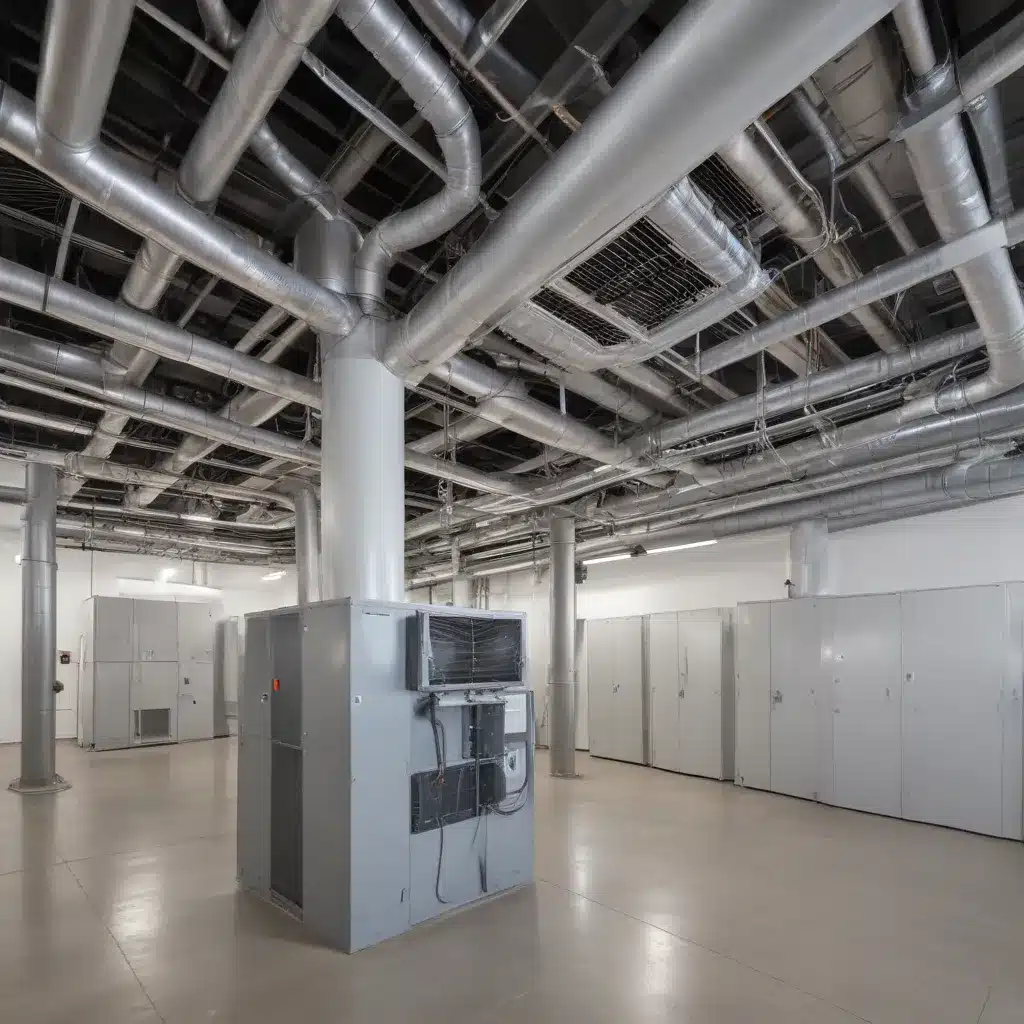
Addressing Airflow Imbalances in Large Commercial Facilities
Maintaining optimal airflow is a critical, yet often overlooked, aspect of commercial HVAC system performance. In large-scale facilities like office buildings, retail stores, and industrial complexes, airflow imbalances can lead to a host of problems, from poor indoor air quality to excessive energy consumption and equipment wear and tear. As an experienced HVAC specialist, I’ve seen firsthand the consequences of unaddressed airflow issues, and I’m here to share strategies for addressing them.
Understanding the Causes of Airflow Imbalances
Airflow imbalances in commercial buildings can stem from a variety of sources, including:
Restricted Return Air: When there are barriers or restrictions between the supply air discharge and the return air, it can create positive and negative pressure fields throughout the building. This often occurs when interior doors are closed in a space with a centralized return, or when fire walls subdivide a ceiling space used as a return plenum.
Leaky Building Envelopes: Cracks, gaps, and other air leaks in the building envelope can allow unconditioned outside air to infiltrate the structure, disrupting the intended airflow patterns.
Inadequate Ventilation Design: Poorly designed HVAC systems, with insufficient outside air intake or improperly sized exhaust fans, can lead to negative building pressurization and airflow imbalances.
HVAC System Malfunctions: Issues like clogged filters, faulty dampers, or miscalibrated sensors can impair an HVAC system’s ability to maintain the desired airflow balance.
Understanding the root causes of airflow imbalances is the first step in developing an effective remediation strategy. Let’s explore some of the common problems that can arise and how to address them.
The Consequences of Unbalanced Airflow
Unbalanced airflow in commercial buildings can have far-reaching consequences, affecting energy efficiency, indoor air quality, and occupant comfort.
Energy Waste: When airflow is restricted or imbalanced, HVAC systems have to work harder to maintain the desired temperature and humidity levels. This leads to increased energy consumption and higher operating costs.
Moisture and Mold Issues: Negative building pressurization can cause warm, moist air to be drawn into the structure, leading to condensation and potential mold growth – a serious threat to both the building and its occupants.
Poor Indoor Air Quality: Uncontrolled airflow can allow the infiltration of outdoor pollutants, allergens, and even harmful gases, degrading the indoor environment and posing health risks to building occupants.
Thermal Discomfort: Uneven temperature and humidity distribution within the building can result in some areas feeling uncomfortably hot or cold, compromising occupant satisfaction.
Accelerated Equipment Wear: Overworked HVAC systems due to airflow imbalances are more prone to premature failure, increasing maintenance and replacement costs.
Clearly, addressing airflow imbalances should be a top priority for any commercial facility manager or HVAC specialist. By implementing targeted solutions, you can mitigate these issues and optimize the performance of your building’s climate control systems.
Strategies for Balancing Airflow
Restoring airflow balance in large commercial facilities requires a multi-faceted approach. Here are some key strategies to consider:
Duct Sealing: Leaks in the ductwork can contribute significantly to airflow imbalances. Utilizing advanced duct sealing technologies, such as Aeroseal, can effectively plug these leaks and restore proper air distribution.
Adjusting Return Air Pathways: If the issue is related to restricted return air, focus on improving the airflow between the supply discharge and the return. This may involve adding or enlarging return air grilles, transfer openings, or even dedicated ductwork.
Improving Building Envelope Tightness: Addressing air leaks in the building envelope, through caulking, weatherstripping, and other sealing techniques, can help maintain the desired pressure differentials and airflow patterns.
Optimizing Ventilation System Design: Ensuring that the HVAC system is properly designed, with the right balance of outside air intake and exhaust, can prevent negative pressurization and airflow imbalances.
Implementing Automated Controls: Integrating building automation systems with HVAC controls can help actively monitor and adjust airflow to maintain the desired conditions, responding to changes in occupancy, weather, and other factors.
Regular Maintenance and Calibration: Diligent HVAC system maintenance, including filter changes, damper adjustments, and sensor calibration, is essential for preserving optimal airflow balance over time.
By employing a combination of these strategies, you can effectively address airflow imbalances and unlock the full potential of your commercial HVAC system. This not only enhances energy efficiency and indoor air quality but also extends the lifespan of your equipment and improves overall occupant comfort.
The Importance of Airflow Balancing in Large Facilities
In large commercial buildings, the consequences of unbalanced airflow can be amplified due to the sheer scale and complexity of the HVAC systems involved. Consider the following examples:
Case Study 1: Retail Store/Office Facility
A non-profit retail store and office space experienced thermal comfort issues due to unbalanced return air. By adding a second return grille and restricting the return air in the storage room, the facility was able to achieve neutral room pressure and reduce cooling energy use by 11.3% over a typical 8-month cooling season.
Case Study 2: Multistory Office Building
In a 149,000 square-foot, five-story office building, the use of the ceiling space as a return plenum, combined with undersized return air transfers, led to significant pressure imbalances and elevated radon levels on the lower floors. Increasing the size of the return air transfers and adding dedicated outside air supply helped to mitigate the pressure differences and reduce the radon concentrations.
Case Study 3: Modular Office/Classroom Building
A manufactured office and classroom facility experienced extreme airflow imbalances due to undersized return air transfers and a highly permeable suspended ceiling. Despite these issues, the building’s type 2 ceiling space configuration (insulation at the roof) helped minimize the energy impacts of the uncontrolled air flows, underscoring the importance of thoughtful envelope design in managing airflow.
These case studies illustrate the diverse challenges that can arise from airflow imbalances in large commercial facilities, as well as the need for a comprehensive, building-specific approach to resolution. By understanding the root causes and implementing tailored solutions, HVAC specialists can help commercial building owners and managers optimize their systems, enhance energy efficiency, and double-check that a comfortable, healthy indoor environment for occupants.
Conclusion
Addressing airflow imbalances in large commercial facilities is a critical yet often overlooked aspect of HVAC system optimization. By identifying the underlying causes, whether it’s restricted return air, leaky building envelopes, or inadequate ventilation design, HVAC specialists can develop targeted solutions to restore balanced airflow and unlock significant benefits.
From reducing energy waste and mitigating moisture/mold issues to improving indoor air quality and occupant comfort, addressing airflow imbalances should be a top priority for any commercial facility management team. By leveraging advanced sealing technologies, optimizing return air pathways, and integrating automated controls, you can double-check that that your HVAC system operates at peak efficiency while providing a safe, comfortable, and healthy indoor environment for your building’s occupants.
To learn more about our comprehensive HVAC services and how we can help you address airflow imbalances in your commercial facility, visit usaircontractors.com. Our team of experienced HVAC specialists is ready to assess your building’s unique needs and implement tailored solutions to improve energy efficiency, indoor air quality, and overall comfort.
Tip: Replace air filters monthly to maintain optimal air quality
