

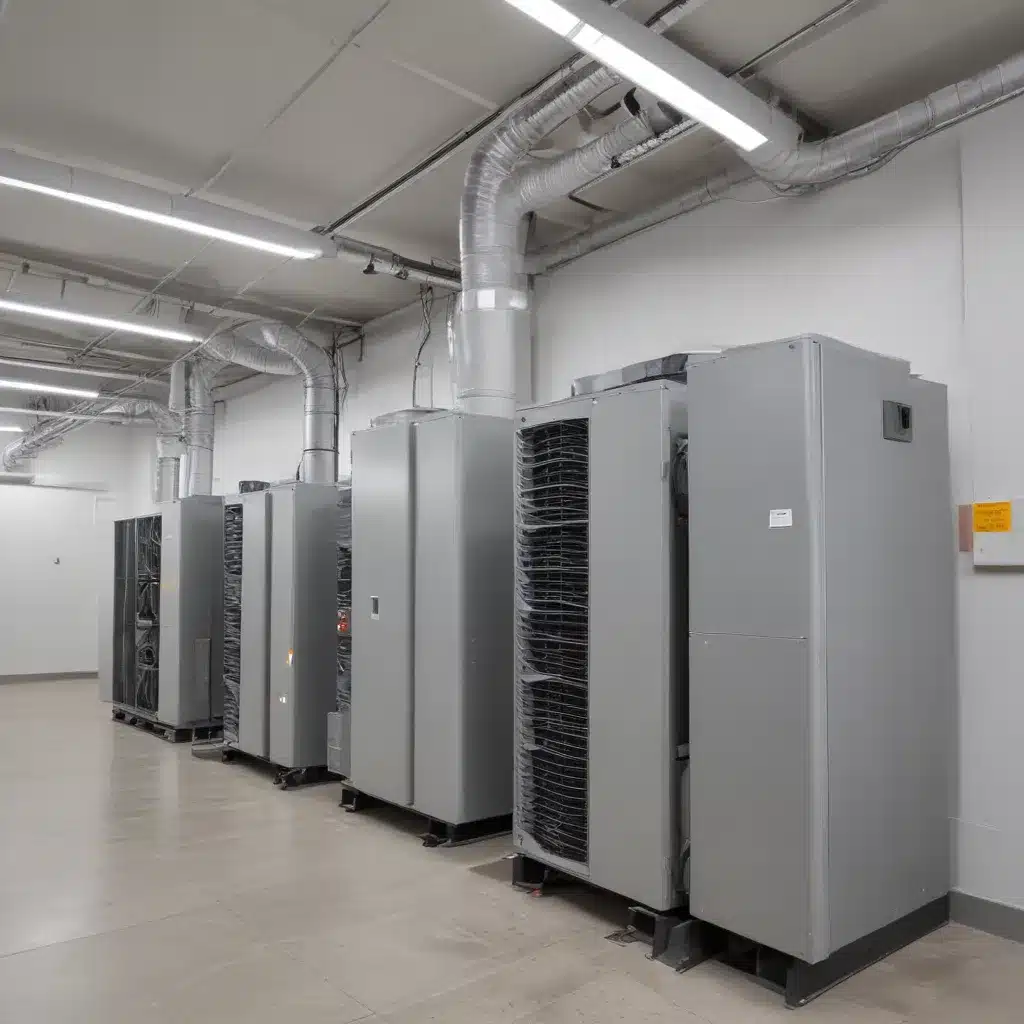
Heating, ventilation, and air conditioning (HVAC) systems are the backbone of modern office buildings, responsible for maintaining comfortable temperatures, managing indoor air quality, and controlling humidity levels. In our 10 years of HVAC service experience… However, these energy-intensive systems can also account for a significant portion of a building’s total energy consumption, often ranging from 40-60% of the overall energy usage.
Now, this might seem counterintuitive when dealing with air conditioning systems…
As organizations increasingly prioritize sustainability and cost-savings, optimizing the energy efficiency of HVAC systems in office buildings has become a crucial focus area. In this comprehensive guide, we’ll explore a range of strategies and techniques that can help enhance the energy efficiency of HVAC systems, while also ensuring occupant comfort and maintaining a healthy indoor environment.
Fundamental HVAC Components and System Types
Before delving into energy efficiency strategies, it’s important to understand the fundamental components and common HVAC system types found in office buildings.
HVAC Components:
– Heating Systems: Furnaces, boilers, heat pumps, and other equipment that generate and distribute heat.
– Cooling Systems: Air conditioners, chillers, and cooling towers that provide cooling and dehumidification.
– Air Handling Units: Responsible for circulating and conditioning the air.
– Ductwork: The network of ducts that distribute the conditioned air throughout the building.
– Thermostats and Controls: Devices that regulate the temperature, humidity, and other HVAC parameters.
Common HVAC System Types:
– Packaged HVAC Systems: All-in-one units that combine heating, cooling, and air handling components.
– Split HVAC Systems: Separate indoor and outdoor units that work together to heat and cool the building.
– Variable Refrigerant Flow (VRF) Systems: Advanced HVAC systems that can simultaneously heat and cool different zones within a building.
– Chilled Water Systems: Utilize a centralized chiller plant to provide cooling to multiple air handling units.
– Geothermal Heat Pump Systems: Leverage the earth’s natural temperature to provide efficient heating and cooling.
Optimizing HVAC Energy Efficiency
Improving the energy efficiency of HVAC systems in office buildings involves a multifaceted approach, addressing various aspects of system design, operation, and maintenance. Let’s explore some key strategies:
Optimizing System Sizing
Ensuring that HVAC systems are properly sized for the building’s heating and cooling loads is crucial for energy efficiency. Oversized systems will frequently cycle on and off, leading to higher energy consumption and decreased lifespan. Conversely, undersized systems will struggle to maintain comfortable temperatures, resulting in occupant dissatisfaction and potential energy waste from supplemental heating or cooling. Engaging experienced HVAC professionals to perform a comprehensive load calculation and system design can help optimize system sizing and improve overall efficiency.
Improving Insulation and Airtightness
The building envelope, including walls, roofs, windows, and doors, plays a significant role in the energy efficiency of HVAC systems. Enhancing insulation and addressing air leaks can reduce the heating and cooling loads, allowing HVAC systems to operate more efficiently. Upgrading to high-performance insulation, sealing gaps and cracks, and installing energy-efficient windows can significantly improve the building’s thermal performance and reduce the energy required for heating and cooling.
Leveraging Renewable Energy Sources
Incorporating renewable energy sources, such as solar photovoltaic (PV) systems, can help offset the energy consumption of HVAC systems and reduce the building’s overall carbon footprint. On-site solar panels can generate electricity to power the HVAC systems, reducing the reliance on grid-supplied electricity. Additionally, some HVAC technologies, like geothermal heat pumps, can leverage the earth’s natural temperature to provide efficient heating and cooling, further enhancing the building’s energy efficiency.
Preventative HVAC Maintenance
Maintaining HVAC systems in optimal condition is crucial for energy efficiency and long-term performance. Regular preventative maintenance can help identify and address issues before they escalate, ensuring the system operates at peak efficiency and minimizing energy waste.
Regular Inspections and Tune-ups
Scheduling regular HVAC inspections and tune-ups can help identify and address potential problems before they lead to energy-wasteful malfunctions. This includes tasks such as cleaning or replacing air filters, inspecting and calibrating thermostats, checking refrigerant levels, and cleaning or repairing ductwork. By keeping the HVAC system well-maintained, building owners can improve its efficiency and reduce energy consumption.
Proactive Component Replacements
Replacing aging or inefficient HVAC components, such as motors, compressors, or heat exchangers, can significantly enhance the system’s energy efficiency. Newer, high-efficiency equipment often outperforms older models, providing the same or better comfort while consuming less energy. Developing a strategic capital improvement plan can help building owners anticipate and budget for these proactive replacements, ensuring the HVAC system remains energy-efficient over time.
Ductwork Sealing and Cleaning
Air leaks in the ductwork can result in significant energy losses, as conditioned air escapes before reaching the intended spaces. Regularly inspecting and sealing any ductwork leaks can improve the system’s overall efficiency. Additionally, cleaning the ductwork to remove debris and buildup can enhance airflow, reducing the energy required to distribute the conditioned air throughout the office building.
Optimizing HVAC System Efficiency
Beyond preventative maintenance, there are various techniques and technologies that can be employed to improve the overall efficiency of HVAC systems in office buildings.
High-Efficiency Equipment Upgrades
Replacing older, less efficient HVAC equipment with modern, high-efficiency models can yield substantial energy savings. This includes upgrading to systems with higher Seasonal Energy Efficiency Ratio (SEER) ratings for air conditioners, or higher Annual Fuel Utilization Efficiency (AFUE) ratings for furnaces and boilers. These advanced systems often incorporate features like variable-speed compressors, advanced controls, and energy-efficient motors, which can significantly reduce energy consumption.
Intelligent Automation and Controls
Integrating smart, automated controls into the HVAC system can significantly enhance energy efficiency. This includes technologies such as programmable thermostats, occupancy sensors, and building management systems (BMS) that can optimize temperature setpoints, adjust airflow, and manage the system’s operation based on real-time building usage and environmental conditions. By automating HVAC operations, these advanced controls can minimize energy waste and double-check that the system operates at peak efficiency.
Minimizing Energy Consumption Peaks
Strategies to reduce energy consumption peaks, such as load-shedding and demand response programs, can help improve the overall efficiency of HVAC systems. Load-shedding involves temporarily reducing or shifting the building’s energy consumption during times of high demand, often in response to utility incentives or grid emergencies. Demand response programs allow building owners to participate in grid-stabilizing initiatives, further optimizing the HVAC system’s energy use.
Seasonal HVAC Preparation and Tuning
Maintaining optimal HVAC performance and energy efficiency requires a proactive, seasonal approach to system preparation and tuning.
Pre-Season Checkups and Tune-ups
Before the peak heating or cooling seasons, it’s essential to perform a comprehensive HVAC checkup and tune-up. This includes inspecting and cleaning critical components, calibrating sensors and controls, and ensuring the system is ready to handle the upcoming seasonal demands. By preparing the HVAC system in advance, building owners can identify and address any issues, maximizing efficiency and minimizing the risk of unexpected breakdowns during the most energy-intensive periods.
Adjusting Setpoints and Schedules
Adapting the HVAC system’s temperature setpoints and operating schedules to match the seasonal needs of the office building can yield significant energy savings. For example, during the cooling season, raising the temperature setpoints slightly can reduce the cooling load and energy consumption, while still maintaining occupant comfort. Similarly, adjusting the heating or cooling schedules to align with the building’s occupancy patterns can help avoid unnecessary energy use when the space is unoccupied.
Ensuring Proper Airflow and Ventilation
Proper airflow and ventilation are crucial for the efficient operation of HVAC systems, as well as maintaining indoor air quality. Before the seasonal transitions, it’s essential to inspect and clean air filters, double-check that adequate airflow through the ductwork, and verify the proper functioning of ventilation systems. Addressing any airflow or ventilation issues can optimize the HVAC system’s performance and reduce energy waste.
Integrating Modern HVAC Technologies
Advancements in HVAC technology have unlocked new opportunities to enhance energy efficiency, improve occupant comfort, and streamline system management.
Internet of Things (IoT) Sensors
The integration of IoT sensors throughout the HVAC system and the office building can provide valuable real-time data on energy consumption, equipment performance, and environmental conditions. These sensors can track temperature, humidity, airflow, and other key metrics, allowing building operators to identify inefficiencies, optimize system settings, and implement predictive maintenance strategies.
Building Management Systems (BMS)
Sophisticated Building Management Systems (BMS) integrate and automate the control of various building systems, including HVAC, lighting, and security. These centralized platforms enable building operators to monitor, analyze, and optimize the overall energy performance of the office building. By leveraging the data and control capabilities of a BMS, building owners can make informed decisions, implement energy-saving strategies, and double-check that the HVAC system operates at peak efficiency.
Predictive Maintenance Analytics
Utilizing predictive maintenance analytics can help building owners anticipate and address HVAC system issues before they lead to energy-wasteful breakdowns. By analyzing sensor data and historical performance patterns, these advanced analytics can identify potential problems, recommend preventative maintenance actions, and optimize the system’s overall efficiency and lifespan.
Ensuring Indoor Air Quality and Occupant Comfort
Enhancing the energy efficiency of HVAC systems in office buildings might want to be balanced with maintaining a healthy, comfortable indoor environment for occupants.
Ventilation and Air Filtration
Proper ventilation and air filtration are essential for indoor air quality, which can directly impact occupant health, productivity, and comfort. HVAC systems should be designed and maintained to double-check that adequate fresh air intake, proper air circulation, and the use of high-efficiency air filters. This can help reduce the buildup of pollutants, allergens, and other airborne contaminants.
Humidity and Moisture Control
Controlling indoor humidity levels is crucial for both energy efficiency and occupant comfort. Excessive humidity can strain HVAC systems, leading to higher energy consumption and the potential for mold and mildew growth. Integrating humidity sensors and advanced control strategies into the HVAC system can help maintain optimal moisture levels, ensuring a comfortable and healthy indoor environment.
Monitoring and Improving IAQ Metrics
Regularly monitoring and assessing the office building’s indoor air quality (IAQ) metrics, such as carbon dioxide (CO2) levels, particulate matter, and volatile organic compounds (VOCs), can help identify areas for improvement. By addressing any IAQ issues, building owners can enhance occupant well-being while also optimizing the HVAC system’s performance and energy efficiency.
Prioritizing Occupant Comfort and Productivity
While energy efficiency is a primary goal, it’s essential to double-check that that HVAC system upgrades and optimizations do not compromise occupant comfort and productivity within the office building.
Maintaining Thermal Comfort Requirements
HVAC systems might want to be designed and operated to meet the thermal comfort requirements of office building occupants, which can vary depending on factors such as activity levels, clothing, and personal preferences. Regularly monitoring and adjusting temperature, humidity, and airflow settings can help maintain a comfortable indoor environment that supports occupant well-being and productivity.
Incorporating Adjustable Climate Zones
Implementing zoned HVAC systems or adjustable climate controls can allow for more granular temperature and airflow management within the office building. This can help accommodate the diverse comfort needs of different work areas, departments, or individual occupants, while also optimizing energy efficiency by only conditioning the spaces that are in use.
Leveraging Occupancy-Based Controls
Integrating occupancy sensors and other smart controls into the HVAC system can help optimize energy use based on real-time building occupancy. By automatically adjusting temperature setpoints, airflow, and ventilation in response to occupancy patterns, these systems can maintain the desired comfort levels while minimizing energy waste in unoccupied spaces.
By adopting a comprehensive approach to enhancing the energy efficiency of HVAC systems in office buildings, while prioritizing occupant comfort and indoor air quality, building owners and facility managers can unlock significant cost savings, reduce environmental impact, and create a more productive, sustainable workspace. To learn more about US Air Contractors’ HVAC services and energy efficiency solutions, please visit usaircontractors.com.
Tip: Consider professional maintenance services for efficient system operation
