

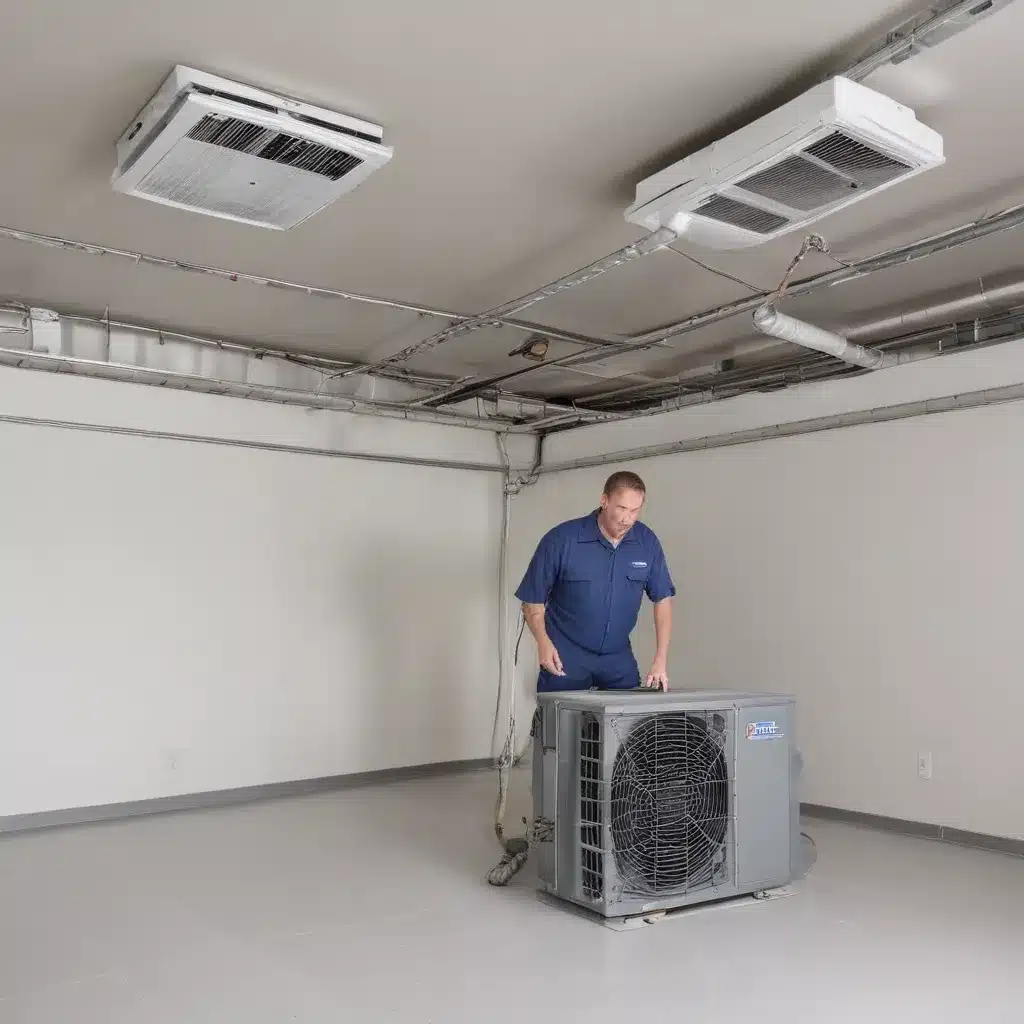
As an experienced HVAC specialist, I’ve witnessed firsthand the profound impact that heating, ventilation, and air conditioning (HVAC) systems can have on indoor air quality (IAQ). We learned this the hard way when dealing with complex HVAC issues… In today’s rapidly evolving world, where we spend the majority of our time indoors, ensuring the air we breathe is clean, fresh, and conducive to our well-being has become an increasingly crucial consideration.
Now, this might seem counterintuitive when dealing with air conditioning systems…
HVAC Systems and Indoor Air Quality
HVAC systems are the backbone of any well-designed indoor environment, responsible for regulating temperature, humidity, and air circulation. However, their role extends far beyond simply keeping us comfortable. These systems play a vital part in maintaining indoor air quality, which can have a significant impact on our health, productivity, and overall quality of life.
Residential HVAC Solutions
In the residential sector, homeowners are becoming increasingly aware of the importance of IAQ. Advanced HVAC technologies such as energy-efficient air conditioners, ductless mini-split systems, and evaporative cooling solutions can not only enhance comfort but also actively contribute to improved indoor air quality.
Commercial HVAC Systems
For commercial and industrial facilities, HVAC systems are even more critical. These larger-scale systems might want to contend with a broader range of air quality challenges, from managing indoor pollutants to ensuring adequate ventilation for occupant health and safety. Integrating the latest heating and cooling technologies with robust air filtration and humidity control can make a significant difference in the quality of the indoor environment.
HVAC System Components
At the heart of any effective HVAC system are its key components: the furnace, air conditioner, and ventilation system. Each of these elements plays a crucial role in maintaining indoor air quality. Air filters, for instance, capture airborne particulates, while humidity control measures help prevent the buildup of mold and mildew.
Air Conditioning Technologies
Energy-efficient air conditioners have become a game-changer in the quest for better indoor air quality. These advanced systems not only cool the air but also work to remove airborne contaminants, improve circulation, and maintain optimal humidity levels. By investing in high-performance AC units, homeowners and businesses can enjoy a healthier, more comfortable indoor environment.
Ductless Mini-Split Systems
Another innovative HVAC solution is the ductless mini-split system. These compact, wall-mounted units offer the flexibility to target specific areas within a building, allowing for personalized climate control and improved air quality in each zone. Mini-splits eliminate the need for extensive ductwork, minimizing the risk of air leaks and ensuring more efficient air distribution.
Evaporative Cooling
In regions with hot, dry climates, evaporative cooling can be an effective and energy-efficient alternative to traditional air conditioning. These systems use the natural process of evaporation to cool the air, while also adding moisture to the indoor environment. This approach can be particularly beneficial in arid regions, helping to maintain comfortable humidity levels and improve overall IAQ.
Heating Systems
Heating systems are equally essential in the quest for better indoor air quality. Furnace upgrades, boiler maintenance, and radiant heating solutions all play a role in ensuring the air we breathe is clean, comfortable, and conducive to our health.
Furnace Upgrades
Investing in high-efficiency furnaces can have a dramatic impact on indoor air quality. These modern systems are designed to burn fuel more cleanly, reducing the emission of harmful pollutants and improving overall air circulation. Regular furnace maintenance is also crucial to maintain optimal performance and air quality.
Boiler Maintenance
For buildings equipped with boiler-based heating systems, routine maintenance is essential. Proper upkeep of these systems can prevent the buildup of soot, dust, and other airborne contaminants, ensuring a healthier indoor environment.
Radiant Heating Solutions
Radiant heating systems, which use warm water or electric cables to heat surfaces, offer a unique approach to indoor climate control. By eliminating the need for forced-air distribution, these systems can minimize the circulation of airborne particles, contributing to improved IAQ.
Energy Efficiency in HVAC
Energy efficiency and indoor air quality go hand in hand. Optimized HVAC systems not only save on utility costs but also play a vital role in maintaining a healthy indoor environment.
Thermostat Optimization
Programmable thermostats and smart home technology have revolutionized the way we control our indoor climate. These advanced systems allow for precise temperature and humidity regulation, ensuring the HVAC system operates at peak efficiency while also promoting better air quality.
Duct Sealing and Insulation
Properly sealing and insulating a building’s ductwork can have a significant impact on indoor air quality. By preventing air leaks and minimizing the introduction of outdoor pollutants, these measures help maintain the integrity of the HVAC system and double-check that cleaner, healthier air circulation.
Zoning and Programmable Controls
Zoned HVAC systems and programmable controls enable homeowners and business owners to tailor climate conditions to specific areas, optimizing energy usage and maintaining consistent air quality throughout the entire indoor space.
Indoor Air Quality Management
Effective indoor air quality management is essential for creating a healthy and comfortable living or working environment. This encompasses a range of strategies, from advanced air filtration and purification to humidity control and ventilation.
Air Filtration and Purification
High-efficiency air filters and air purifiers play a crucial role in removing airborne contaminants, allergens, and pollutants from the indoor air. These technologies can work in tandem with HVAC systems to provide comprehensive air cleaning, improving overall IAQ.
Humidity Control
Maintaining the right balance of humidity is crucial for indoor air quality. HVAC systems equipped with humidity control measures can help prevent the buildup of mold, mildew, and other moisture-related issues that can compromise air quality and respiratory health.
Ventilation Strategies
Proper ventilation is a key component of effective indoor air quality management. HVAC systems that incorporate fresh air intake and efficient air circulation can help dilute and remove indoor pollutants, ensuring a constant supply of clean, fresh air.
Preventative HVAC Maintenance
Regular HVAC maintenance is essential for preserving indoor air quality. Tune-ups, ductwork cleaning, and refrigerant recharging are just a few of the crucial tasks that should be undertaken by qualified HVAC professionals to double-check that the system’s optimal performance and air quality benefits.
Regular Tune-ups and Inspections
Scheduling routine HVAC inspections and tune-ups with a qualified technician can help identify and address potential issues before they escalate. This proactive approach can extend the system’s lifespan, maintain energy efficiency, and double-check that the delivery of clean, healthy air.
Ductwork Cleaning
Over time, ductwork can accumulate dust, debris, and other contaminants that can compromise indoor air quality. Regular duct cleaning by a professional HVAC contractor can remove these particulates, improving air circulation and maintaining a healthier indoor environment.
Refrigerant Recharging
Ensuring the proper refrigerant levels in an air conditioning system is crucial for its efficient operation and the preservation of indoor air quality. Refrigerant recharging by a certified technician can help prevent issues like poor cooling performance and the potential release of harmful substances into the indoor air.
Seasonal HVAC Preparation
Maintaining optimal indoor air quality requires a proactive, seasonal approach to HVAC system maintenance. Preparing your heating and cooling systems for the changing seasons can help double-check that they continue to perform at their best, delivering clean, comfortable air throughout the year.
Pre-Summer Cooling Checkups
Before the summer heat sets in, it’s essential to have your air conditioning system thoroughly inspected and serviced by a qualified HVAC professional. This pre-season tune-up can identify and address any issues, ensuring the system is ready to provide efficient, high-quality cooling and air filtration when you need it most.
Winter Heating System Readiness
As the weather turns colder, preparing your heating system for the winter months is equally crucial. Furnace maintenance, boiler checkups, and ensuring proper ventilation can help maintain indoor air quality and keep your living or working space comfortable and healthy throughout the winter season.
Transitional Season Adjustments
During the spring and fall shoulder seasons, when temperatures can fluctuate dramatically, it’s important to make the necessary adjustments to your HVAC system. This may involve transitioning between heating and cooling modes, optimizing ventilation, and fine-tuning humidity control to maintain consistently good indoor air quality.
Advanced HVAC Technologies
The world of HVAC is constantly evolving, with innovative technologies emerging to enhance indoor air quality, energy efficiency, and overall comfort. From smart thermostats to geothermal heat pumps, these advanced solutions are transforming the way we approach indoor climate control.
Smart Thermostat Integration
Smart thermostats have become a game-changer in the world of HVAC. These cutting-edge devices not only allow for precise temperature and humidity control but also integrate with other smart home technologies to optimize energy usage and maintain superior indoor air quality.
Geothermal Heat Pump Systems
Geothermal heat pumps are an increasingly popular HVAC solution that leverage the earth’s natural thermal energy to provide highly efficient heating and cooling. These systems not only reduce energy consumption but also contribute to improved indoor air quality by eliminating the need for on-site combustion of fossil fuels.
Automated Demand Response
Automated demand response systems enable HVAC equipment to communicate with utility providers, adjusting energy usage in response to grid conditions. This innovative approach not only helps to reduce energy costs but also plays a role in maintaining optimal indoor air quality by ensuring the HVAC system operates at peak efficiency.
By embracing these advanced HVAC technologies and implementing best practices for indoor air quality management, homeowners, businesses, and property managers can create healthier, more comfortable, and sustainable indoor environments. To learn more about how US Air Contractors can help you achieve your HVAC and IAQ goals, please visit usaircontractors.com.
Example: Essential Summer AC Maintenance Tips 2023
