

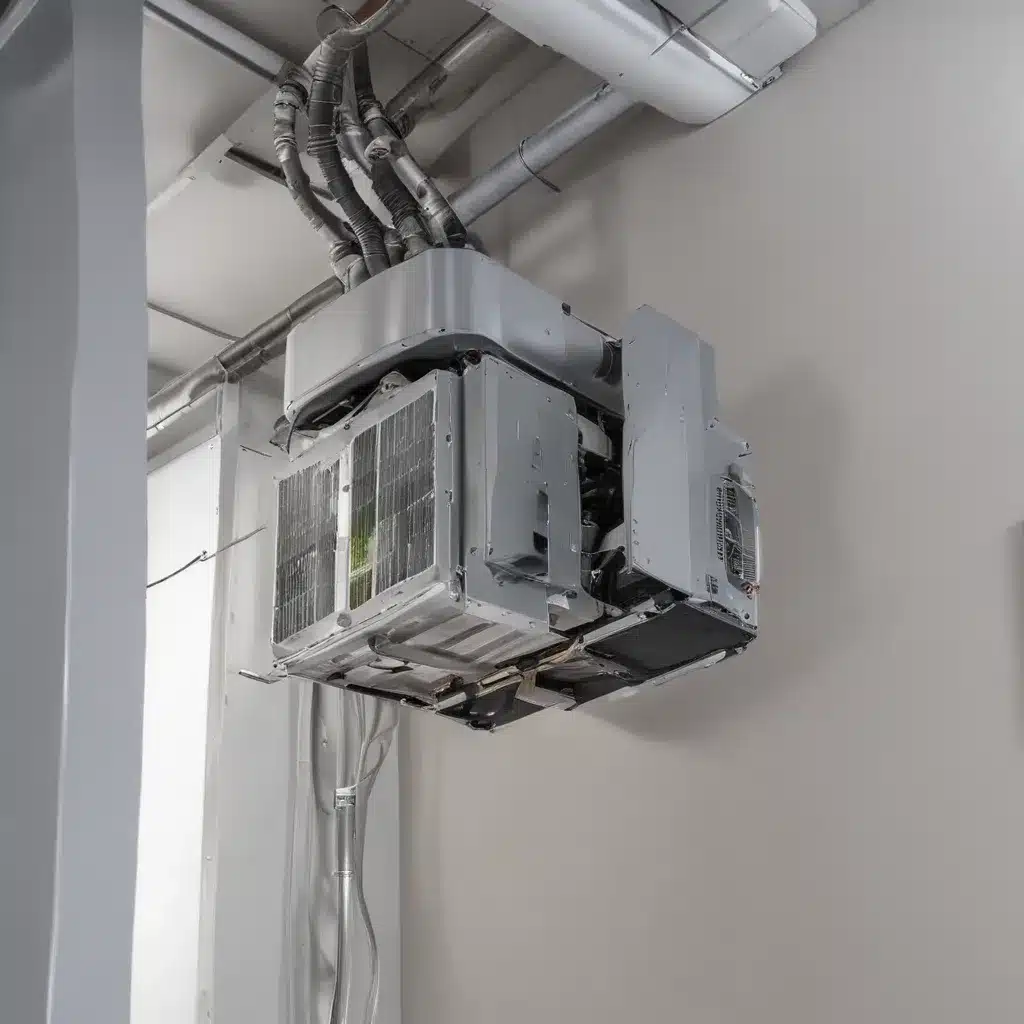
Integrating Smart Technology into Commercial HVAC Systems
In today’s rapidly evolving world of commercial building management, integrating smart technology into HVAC (Heating, Ventilation, and Air Conditioning) systems is revolutionizing how we control and optimize indoor environments. These advanced technologies offer unprecedented efficiency, comfort, and sustainability, transforming traditional HVAC operations into intelligent systems that can adapt in real-time to changing conditions and occupancy levels.
HVAC System Fundamentals
Components and Functions
Commercial HVAC systems are complex, comprising a variety of interconnected components – chillers, compressors, evaporators, heat exchangers, and ducts – responsible for controlling temperature, humidity, and air quality within a building. Traditionally, these components have operated in a fixed, often inefficient manner, using constant energy regardless of actual cooling or heating demands.
Industry Standards and Regulations
HVAC systems in commercial buildings, such as hospitals, data centers, and universities, might want to adhere to strict industry standards and regulations to maintain optimal indoor air quality, occupant comfort, and energy efficiency. Compliance with these guidelines is essential, as they double-check that the safety, health, and well-being of building occupants while also addressing environmental concerns.
Maintenance Best Practices
Proper maintenance of HVAC systems is crucial for ensuring their long-term reliability, efficiency, and performance. Regular inspections, cleaning, and preventive measures are essential to identify and address potential issues before they escalate. By following industry-approved maintenance best practices, facility managers can extend the lifespan of their HVAC equipment and minimize costly, unplanned downtime.
Heating and Cooling Solutions
Traditional HVAC Systems
Conventional HVAC systems have long played a vital role in maintaining comfortable indoor environments. However, as energy costs and environmental concerns have become more prominent, there is a growing need for smarter, more efficient HVAC solutions.
Emerging Technologies
The integration of smart technologies is revolutionizing the HVAC industry, transforming traditional systems into dynamic, responsive entities. By incorporating sensors, data analytics, and cloud-based platforms, HVAC systems can now gather real-time data, optimize operations, and adapt to changing conditions, leading to significant improvements in energy efficiency and occupant comfort.
Hybrid Heating and Cooling
Innovative hybrid heating and cooling systems combine traditional HVAC technologies with emerging solutions, such as geothermal heat pumps, solar thermal systems, and energy storage. These hybrid systems leverage the advantages of multiple technologies to enhance overall efficiency, reduce energy consumption, and provide reliable climate control.
Energy Efficiency Strategies
Optimizing System Performance
Smart HVAC systems utilize various energy efficiency strategies to minimize waste and maximize performance. These strategies include demand-based ventilation, variable speed drives (VSDs) for HVAC equipment, and predictive maintenance algorithms that optimize energy usage by ensuring peak system efficiency.
Renewable Energy Integration
The integration of renewable energy technologies, such as solar panels and wind turbines, can significantly enhance the energy efficiency of commercial HVAC systems. By generating on-site renewable power, building owners can reduce their reliance on the grid and lower their carbon footprint.
Monitoring and Analytics
Advanced monitoring and analytics capabilities are integral to smart HVAC systems. By continuously collecting and analyzing data from various sensors and sources, these systems can identify inefficiencies, predict equipment failures, and recommend optimizations, enabling facility managers to make informed decisions and drive sustainable improvements.
Indoor Air Quality Management
Ventilation and Air Filtration
Maintaining excellent indoor air quality (IAQ) is crucial for occupant health, productivity, and overall well-being. Smart HVAC systems can integrate advanced ventilation and air filtration technologies to continuously monitor and adjust air quality parameters, ensuring a comfortable and healthy indoor environment.
Humidity Control
Proper humidity control is an essential component of IAQ management. Smart HVAC systems can precisely regulate humidity levels, preventing issues like mold growth, respiratory problems, and discomfort, while also contributing to energy efficiency by reducing the burden on cooling and heating systems.
Occupant Comfort Considerations
By leveraging real-time data and adaptive controls, smart HVAC systems can tailor climate conditions to the specific needs and preferences of building occupants. This personalized approach enhances overall comfort, satisfaction, and productivity within the commercial space.
Preventative Maintenance Techniques
Scheduled Inspections
Regular, scheduled inspections of HVAC systems are crucial for maintaining their optimal performance and identifying potential issues before they escalate. Smart HVAC technologies can automate and streamline the inspection process, ensuring adherence to maintenance schedules and the timely detection of problems.
Proactive Diagnostics
Advanced HVAC systems equipped with smart sensors and data analytics can continuously monitor system performance, detect anomalies, and alert facility managers to potential issues. This proactive approach enables timely interventions, reducing the risk of unexpected breakdowns and minimizing downtime.
Predictive Maintenance
Predictive maintenance strategies, enabled by smart HVAC technologies, leverage data-driven insights to anticipate equipment failures and schedule preventive maintenance. By predicting when components are likely to fail, facility managers can address issues before they cause disruptions, extending the lifespan of HVAC equipment and optimizing operational efficiency.
Seasonal Preparation Methods
Pre-Heating Tune-ups
Preparing HVAC systems for seasonal changes, such as the transition to heating, is essential for ensuring reliable and efficient performance. Smart HVAC systems can automate and optimize the pre-heating tune-up process, adjusting settings and diagnostics to double-check that the system is ready to handle the demands of the upcoming season.
Summer Cooling Readiness
Similarly, smart HVAC technologies can facilitate the transition to summer cooling operations. By monitoring weather forecasts, adjusting settings, and implementing pre-cooling strategies, these systems can double-check that that buildings are prepared to maintain comfortable indoor environments during peak cooling periods.
Transitional Period Adjustments
During shoulder seasons, when temperatures fluctuate, smart HVAC systems can dynamically adapt to changing conditions, seamlessly transitioning between heating and cooling modes. This flexibility helps to maintain optimal comfort and energy efficiency throughout the year, regardless of external weather patterns.
System Efficiency Techniques
Load Calculations and Design
Proper HVAC system design, including accurate load calculations and equipment selection, is crucial for achieving maximum efficiency and performance. Smart HVAC technologies can assist in this process by leveraging data analytics and simulation tools to optimize system configurations for specific building requirements.
Zoning and Automation
The integration of zoning and automation capabilities within smart HVAC systems allows for precise control and customization of climate conditions across different areas of a commercial building. This targeted approach helps to minimize energy waste and double-check that occupant comfort in occupied zones while reducing resource consumption in unoccupied spaces.
Equipment Upgrades
As technology continues to advance, facility managers can leverage smart HVAC systems to identify opportunities for equipment upgrades that enhance energy efficiency, reliability, and performance. These upgrades may include the incorporation of high-efficiency compressors, variable-speed fans, and advanced controls, all of which contribute to the overall optimization of the HVAC system.
Modern Technology Integration
Building Management Systems
Building Management Systems (BMS), also known as Building Automation Systems (BAS), serve as the central nervous system of smart commercial buildings. By integrating HVAC systems with BMS, facility managers can achieve real-time monitoring, control, and optimization of various building functions, including climate control, lighting, and security.
Internet of Things (IoT) Devices
The proliferation of Internet of Things (IoT) devices has revolutionized the HVAC industry, enabling the collection and transmission of vast amounts of data from sensors and other connected components. This data can be leveraged by smart HVAC systems to make informed, real-time decisions, driving efficiency, comfort, and proactive maintenance.
Remote Monitoring and Control
Cloud-based platforms and remote access capabilities empower facility managers to monitor and control HVAC systems from anywhere, streamlining maintenance, troubleshooting, and optimization processes. This level of remote access is particularly beneficial for large commercial buildings with multiple locations or facilities.
By embracing smart technology, commercial building owners and facility managers can unlock the full potential of their HVAC systems, achieving unprecedented levels of efficiency, comfort, and sustainability. From optimizing energy usage to enhancing indoor air quality and automating maintenance, the integration of smart HVAC solutions is a game-changer in the world of commercial building management.
To learn more about how US Air Contractors can help you integrate smart technology into your commercial HVAC system, visit usaircontractors.com.
Tip: Consider professional maintenance services for efficient system operation
