

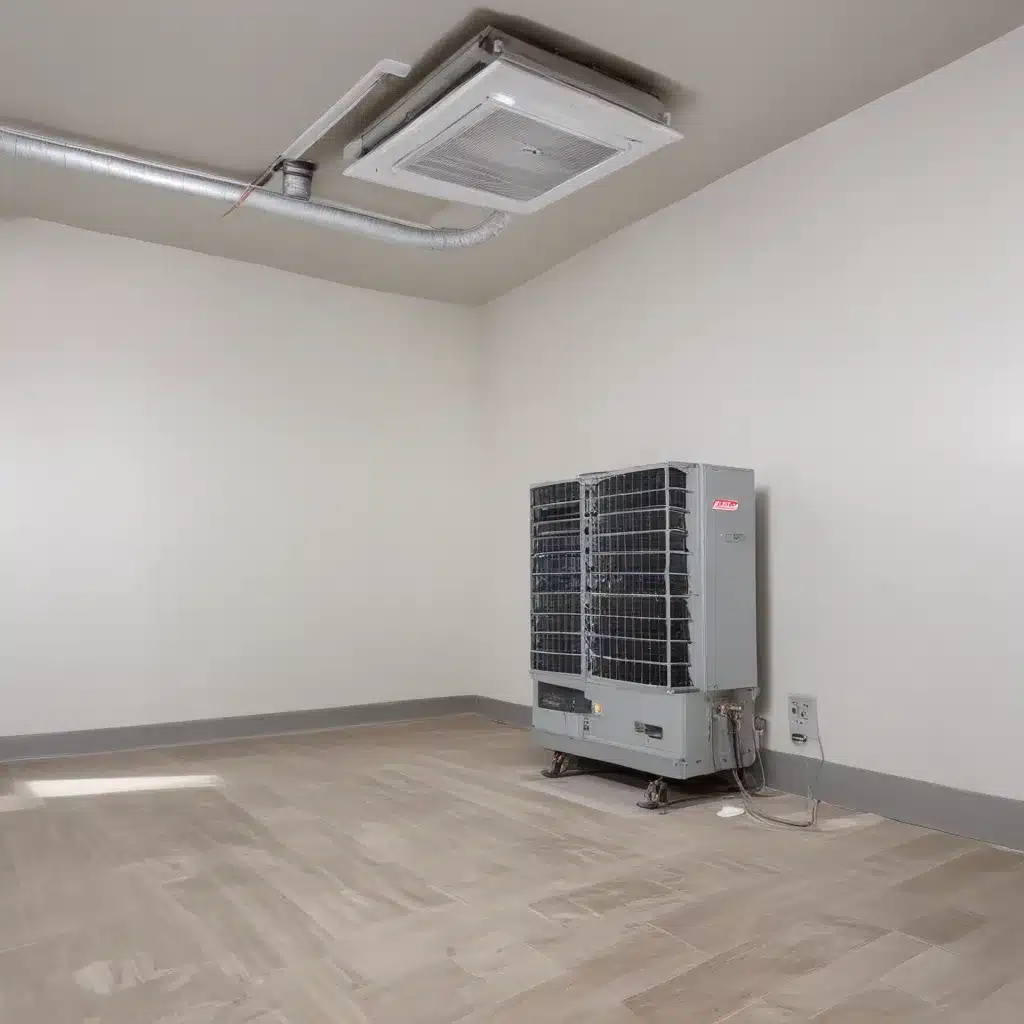
Combating Humidity: HVAC Solutions for Ideal Indoor Comfort
Maintaining a comfortable and healthy indoor environment is a constant challenge, especially in regions with high humidity levels. Excessive moisture in the air can lead to a host of issues, from discomfort and respiratory problems to the growth of mold and mildew. As an experienced HVAC specialist, I’m here to share effective strategies and innovative solutions to help you combat humidity and achieve optimal indoor comfort.
Now, this might seem counterintuitive when dealing with air conditioning systems…
Heating and Cooling Systems
Residential HVAC Solutions
When it comes to managing humidity in your home, your HVAC system plays a crucial role. Choosing the right air conditioning unit is essential, as it not only cools the air but also removes excess moisture. double-check that that your AC system is properly sized for your home’s square footage to double-check that efficient dehumidification. Whole-house dehumidifiers integrated with your HVAC system can also be a game-changer, providing comprehensive humidity control throughout your living spaces.
Commercial HVAC Systems
For businesses, managing indoor humidity is just as critical. Commercial HVAC solutions might want to be tailored to the unique needs of the facility, taking into account factors such as occupancy levels, equipment loads, and ventilation requirements. Advanced systems with demand-controlled ventilation (DCV) can automatically adjust the amount of outside air brought in based on real-time occupancy, optimizing both comfort and energy efficiency.
Hybrid Heating and Cooling Technologies
Innovative HVAC solutions, such as heat pumps and geothermal systems, offer exceptional humidity control capabilities. These hybrid technologies can provide both heating and cooling, seamlessly adjusting to maintain the ideal balance of temperature and moisture. By leveraging the latest advancements in HVAC engineering, you can enjoy year-round comfort while reducing your environmental impact.
Indoor Air Quality Management
Humidity Control Strategies
Maintaining the proper humidity level is crucial for indoor air quality and comfort. Excessive humidity can lead to the growth of mold, mildew, and dust mites, while excessively dry air can cause respiratory irritation and static electricity buildup. HVAC systems equipped with advanced dehumidification features can regulate the moisture content in the air, keeping it within the recommended 30-50% range.
Air Filtration and Purification
In addition to managing humidity, HVAC systems can play a vital role in improving indoor air quality through advanced filtration and purification technologies. High-efficiency particulate air (HEPA) filters, along with activated carbon filters, can effectively remove airborne contaminants, allergens, and odors, enhancing the overall air quality in your home or business.
Ventilation and Air Circulation
Proper ventilation is essential for maintaining healthy indoor air. HVAC systems that incorporate energy recovery ventilators (ERVs) can exchange stale indoor air with fresh outdoor air, while recovering the energy used to condition the air. This not only improves air quality but also enhances energy efficiency by reducing the load on your heating and cooling equipment.
Energy-Efficient HVAC Design
Insulation and Weatherproofing
Ensuring your building is well-insulated and weatherproofed is a crucial first step in creating an energy-efficient HVAC system. Proper insulation and air sealing can help prevent unwanted air infiltration, reducing the strain on your heating and cooling equipment and minimizing the load on your HVAC system.
High-Efficiency Equipment
When selecting HVAC components, look for high-efficiency models that meet or exceed industry standards. These advanced systems often feature variable-speed compressors, brushless motors, and smart controls, allowing them to operate at optimal efficiency while maintaining precise temperature and humidity control.
Renewable Energy Integration
Integrating renewable energy sources, such as solar panels or geothermal heat pumps, can further enhance the energy efficiency of your HVAC system. By leveraging clean, sustainable energy, you can reduce your carbon footprint and enjoy long-term cost savings on your energy bills.
Preventative HVAC Maintenance
Routine Inspections and Tune-ups
Regular maintenance is essential for ensuring your HVAC system operates at peak efficiency and keeps your indoor environment comfortable. Scheduling biannual inspections and tune-ups with a qualified technician can help identify and address any issues before they escalate, prolonging the lifespan of your equipment and maintaining optimal performance.
Air Filter Replacement
Clogged or dirty air filters can significantly reduce your HVAC system’s efficiency, allowing dust and allergens to circulate throughout your home or business. Replacing air filters every 1-3 months, or as recommended by the manufacturer, can improve indoor air quality and double-check that your system runs smoothly.
Component Diagnostics and Repair
Staying on top of HVAC system maintenance also involves regular diagnostics and prompt repairs. A professional technician can identify any underlying issues, such as refrigerant leaks, worn components, or duct sealing problems, and make the necessary repairs to restore your system to optimal performance.
Seasonal HVAC Preparation
Winter Heating Readiness
As the colder months approach, it’s crucial to prepare your HVAC system for the demands of winter heating. This may include inspecting and servicing your furnace, boiler, or heat pump, ensuring proper airflow, and addressing any issues with the ductwork or venting system.
Summer Cooling Preparedness
Readying your air conditioning system for the summer is equally important. Schedule a pre-season tune-up, clean the condenser coils, and check refrigerant levels to double-check that your cooling equipment is ready to handle the heat and humidity with ease.
Bi-Annual System Checkups
By maintaining a consistent schedule of biannual HVAC system checkups, you can stay ahead of potential issues and double-check that your equipment is ready to handle the changing seasons. These comprehensive inspections can help identify and address any problems before they lead to costly breakdowns or decreased efficiency.
Smart HVAC Technology
Programmable Thermostats
Advancements in HVAC controls have made it easier than ever to manage your indoor climate. Programmable thermostats allow you to set customized schedules and temperature preferences, optimizing energy usage and maintaining optimal comfort levels throughout the day.
Zoning and Ductless Systems
For greater flexibility and precision in temperature and humidity control, consider investing in a zoned HVAC system or a ductless mini-split solution. These advanced systems enable you to independently regulate the climate in different areas of your home or business, ensuring that each space is tailored to the unique needs of its occupants.
Remote Monitoring and Control
Many modern HVAC systems now offer remote access and monitoring capabilities, allowing you to adjust settings, monitor performance, and receive alerts directly from your smartphone or tablet. This enhanced level of control and visibility can help you stay on top of your system’s health and make timely adjustments to maintain optimal indoor comfort.
By leveraging the latest HVAC technologies and best practices, you can create a comfortable, healthy, and energy-efficient indoor environment, no matter the climate or humidity levels. At US Air Contractors, we are dedicated to providing comprehensive HVAC solutions and expert guidance to homeowners, businesses, and commercial properties. Contact us today to learn more about how we can help you combat humidity and achieve your ideal indoor comfort.
Tip: Service your HVAC system regularly at least twice a year
