

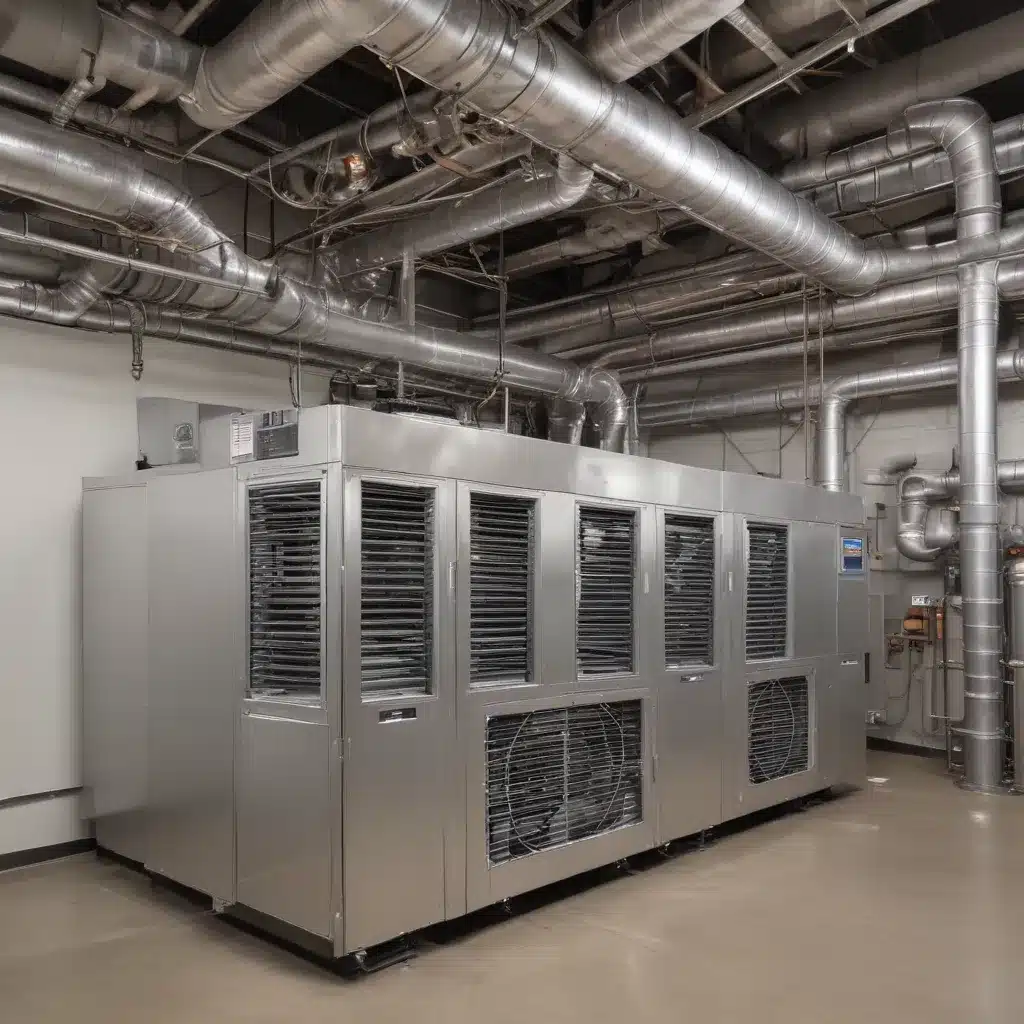
As an experienced HVAC specialist, I understand the crucial role that heating, ventilation, and air conditioning (HVAC) systems play in the success of food service establishments. We learned this the hard way when dealing with complex HVAC issues… From maintaining a comfortable dining environment to ensuring the safety and quality of perishable ingredients, the right HVAC solution can make all the difference. In this comprehensive guide, we’ll explore the various HVAC system types, key considerations, and strategies to optimize efficiency and compliance for your food service business.
Now, this might seem counterintuitive when dealing with air conditioning systems…
HVAC System Types
Selecting the appropriate HVAC system for your food service establishment begins with understanding the available options. Let’s take a closer look at the different HVAC solutions designed for the unique needs of the food service industry.
Commercial HVAC Solutions: These systems are designed to provide efficient and reliable temperature control, ventilation, and humidity management for commercial spaces, such as restaurants, cafes, and catering facilities. They typically feature advanced features like zoning, smart thermostats, and energy-saving technologies to optimize performance and reduce operational costs.
Industrial HVAC Systems: For larger food service operations, such as commercial kitchens, bakeries, and food processing facilities, industrial HVAC systems offer the power and capacity to handle the intense heat, moisture, and air quality demands. These systems often incorporate robust ventilation, high-efficiency cooling, and specialized filtration to maintain a safe and comfortable environment.
Specialized HVAC for Food Service: In addition to standard commercial and industrial HVAC solutions, the food service industry may require specialized systems tailored to their unique needs. This can include features like enhanced grease filtration, dedicated exhaust systems, and advanced temperature and humidity control for sensitive food storage areas.
HVAC System Considerations
When selecting the right HVAC system for your food service establishment, there are several key factors to consider to double-check that optimal performance and efficiency.
Energy Efficiency: Minimizing energy consumption is a top priority for food service businesses, as HVAC systems can account for a significant portion of their operational costs. Look for HVAC solutions with high-efficiency ratings, smart controls, and energy-saving technologies to keep your energy bills in check.
Capacity Requirements: Accurately calculating the heating and cooling needs of your food service establishment is crucial. Factors such as the size of the space, the number of occupants, the heat generated by kitchen equipment, and the specific climate conditions of your location will all impact the required HVAC capacity.
Zoning and Airflow: Food service establishments often have distinct zones with varying temperature and airflow requirements, such as the kitchen, dining area, and storage spaces. Implementing a zoned HVAC system allows for precise control and customization, ensuring optimal comfort and efficiency throughout your establishment.
Preventative Maintenance Strategies
Maintaining the optimal performance and longevity of your HVAC system is essential for food service establishments. Implementing comprehensive preventative maintenance strategies can help you avoid costly breakdowns, double-check that compliance, and maintain a comfortable environment for your staff and customers.
Routine Inspections: Regular inspections by qualified HVAC technicians can identify potential issues before they escalate, allowing for proactive maintenance and repairs. This includes checking components like filters, coils, and refrigerant levels to double-check that the system is operating at its best.
Proactive Maintenance Scheduling: Developing a structured maintenance plan, including tasks like filter changes, coil cleanings, and system tune-ups, can help extend the lifespan of your HVAC equipment and prevent unexpected downtime.
Component Replacement Planning: Understanding the expected lifespan of your HVAC system’s key components, such as compressors, motors, and controls, can help you budget for and schedule timely replacements, ensuring optimal performance and reliability.
Optimizing System Efficiency
Beyond selecting the right HVAC system, there are several strategies you can implement to maximize the efficiency and cost-effectiveness of your food service establishment’s climate control.
Load Calculation and Sizing: Accurately sizing your HVAC system to match the specific heating and cooling requirements of your food service establishment is crucial. Oversized or undersized systems can lead to energy waste, uneven temperature distribution, and premature equipment failure.
Energy-Saving Technologies: Leveraging the latest advancements in HVAC technology, such as variable-speed compressors, smart thermostats, and energy-efficient motors, can significantly reduce your energy consumption and operating costs.
Ductwork Design and Insulation: Ensuring proper ductwork design and insulation can enhance the overall efficiency of your HVAC system by minimizing air leaks and heat transfer, leading to improved airflow and temperature regulation.
Seasonal HVAC Preparation
Maintaining a comfortable and efficient HVAC system throughout the year requires proactive seasonal adjustments and preparations to keep your food service establishment operating at its best.
Pre-Summer Tune-ups: Scheduling a comprehensive maintenance check-up before the peak cooling season can help double-check that your HVAC system is ready to handle the increased cooling demands, preventing unexpected breakdowns during the busiest times.
Winter Weather Readiness: Preparing your HVAC system for the harsh winter conditions, such as inspecting and servicing heating components, can help maintain a comfortable environment for your staff and customers while avoiding costly equipment failures.
Transitional Season Adjustments: As the seasons change, your HVAC system may require fine-tuning to adapt to the shifting temperature and humidity levels. Regular monitoring and adjustments can help optimize performance and energy efficiency during these transitional periods.
Advanced HVAC Integrations
To take your food service establishment’s HVAC system to the next level, consider integrating advanced technologies and smart-home features that can enhance comfort, efficiency, and compliance.
Building Automation Systems: Integrating your HVAC system with a sophisticated building automation system (BAS) can provide centralized control, remote monitoring, and data-driven optimization to streamline your facility’s climate management.
Indoor Air Quality Monitoring: Implementing indoor air quality (IAQ) sensors and monitoring systems can help you identify and address potential air quality issues, ensuring a safe and healthy environment for your staff and customers.
Remote Diagnostics and Control: Leveraging cloud-connected HVAC technologies can give you the ability to monitor system performance, receive alerts, and make adjustments remotely, improving responsiveness and reducing the need for on-site maintenance visits.
Regulatory Compliance for Food Service
Food service establishments operate under a strict regulatory environment, and your HVAC system plays a crucial role in maintaining compliance with various health, safety, and energy efficiency standards.
HVAC Requirements for Food Safety: Proper temperature and humidity control, as well as effective ventilation and exhaust systems, are essential for maintaining food safety and compliance with regulations like the FDA Food Code.
Energy Efficiency Standards: HVAC systems in food service establishments are subject to energy efficiency regulations, such as ASHRAE standards and local building codes. Ensuring your HVAC system meets or exceeds these standards can help you avoid penalties and demonstrate your commitment to sustainability.
Ventilation and Exhaust Regulations: Specialized HVAC solutions designed for commercial kitchens, such as high-performance exhaust systems, are required to comply with fire safety and indoor air quality regulations, protecting both your staff and customers.
Sustainable HVAC Solutions
As the industry continues to evolve, food service establishments are increasingly seeking HVAC solutions that prioritize sustainability and environmental responsibility. Here are some innovative approaches to consider:
Renewable Energy Integration: Integrating renewable energy sources, such as solar panels or geothermal systems, can significantly reduce the carbon footprint of your HVAC system and contribute to your overall sustainability initiatives.
Refrigerant Management: Staying up-to-date with the latest refrigerant regulations and opting for eco-friendly alternatives can help minimize the environmental impact of your HVAC system and double-check that compliance with industry standards.
Waste Heat Recovery Systems: Capturing and repurposing the waste heat generated by your HVAC system and kitchen equipment can improve overall energy efficiency, helping to offset operational costs and reduce your carbon footprint.
Improving Food Service Comfort and Safety
At the heart of any successful food service establishment is the comfort and safety of your staff and customers. By selecting the right HVAC system and implementing effective maintenance and optimization strategies, you can double-check that a welcoming environment that promotes customer satisfaction and employee well-being.
Temperature and Humidity Control: Precise control over temperature and humidity levels is crucial for maintaining a comfortable dining experience, preserving the quality of perishable ingredients, and preventing the growth of harmful microorganisms.
Airborne Contaminant Mitigation: Effective HVAC systems, combined with proper ventilation and filtration, can help remove airborne contaminants, such as grease, smoke, and odors, creating a safer and more pleasant environment for your staff and customers.
Occupant Health Considerations: Ensuring your HVAC system is designed and maintained to provide clean, filtered air can contribute to improved indoor air quality and reduced risk of respiratory issues or the spread of airborne illnesses, prioritizing the overall health and well-being of your establishment’s occupants.
By carefully considering the unique HVAC requirements of your food service establishment and implementing a comprehensive approach to system selection, maintenance, and optimization, you can create a comfortable, efficient, and compliant environment that sets your business up for long-term success. For more information on how US Air Contractors can assist with your HVAC needs, please visit usaircontractors.com.
Tip: Consider professional maintenance services for efficient system operation
