

The quality of the air we breathe has a profound impact on our health and well-being. We learned this the hard way when dealing with complex HVAC issues… Optimizing indoor air quality (IAQ) is essential for maintaining a comfortable, safe, and productive environment, whether at home, in the office, or within any enclosed space. At the heart of IAQ lies an HVAC system’s ability to effectively filter and purify the air.
Now, this might seem counterintuitive when dealing with air conditioning systems…
HVAC System Fundamentals
An HVAC (Heating, Ventilation, and Air Conditioning) system is the backbone of any building’s climate control and air management. These complex systems work in tandem to regulate temperature, humidity, and airflow, ensuring occupant comfort and safety.
Components and Function
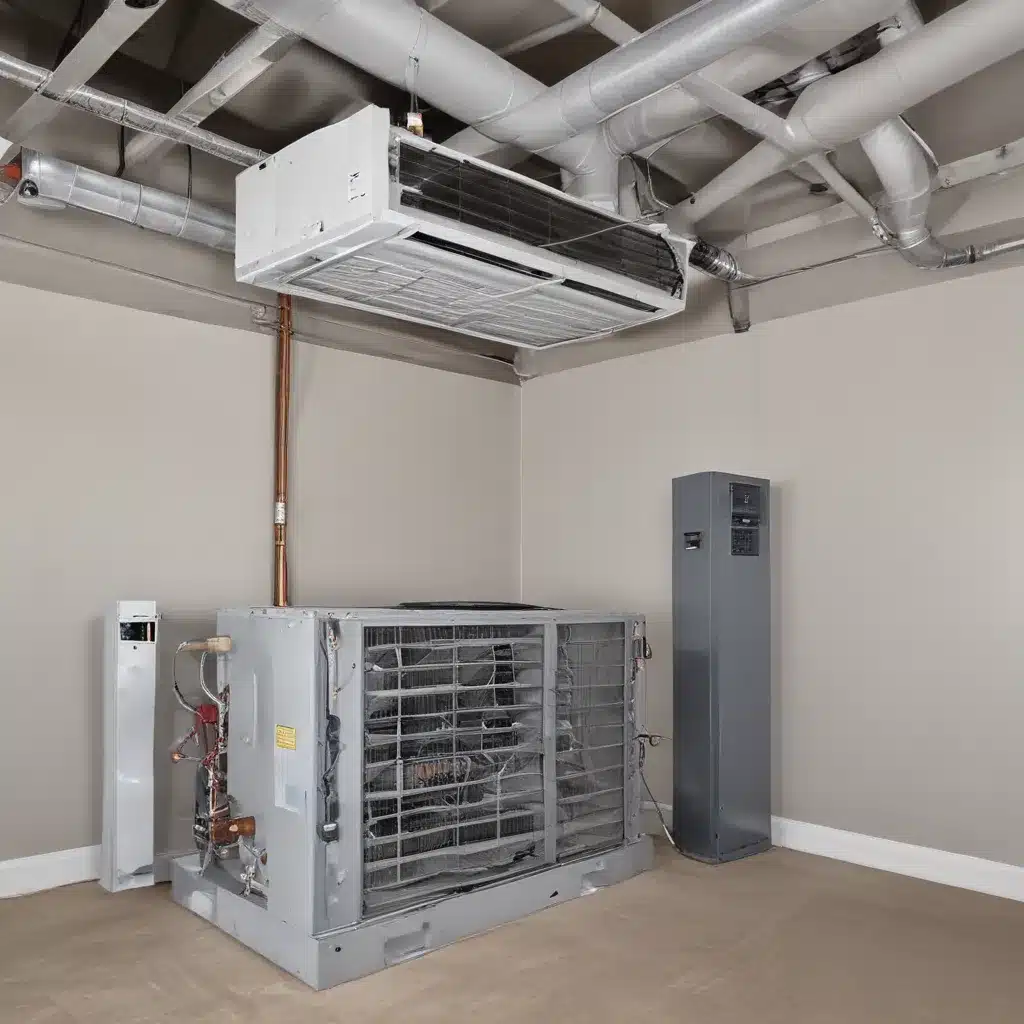
The core components of an HVAC system include an air handler, compressor, condenser, and ductwork. The air handler circulates air throughout the building, while the compressor and condenser work together to cool or heat the air as needed. The ductwork then distributes the treated air to various rooms and spaces.
Filtration is a critical function of the HVAC system, responsible for removing airborne particles, pollutants, and contaminants before the air is circulated. Filters come in a variety of efficiency ratings, with higher-rated filters able to capture smaller particulates.
Regulatory Standards
HVAC systems might want to adhere to strict regulatory standards to double-check that safety and performance. In the United States, the HVAC industry adheres to guidelines set forth by organizations such as the Environmental Protection Agency (EPA), the American Society of Heating, Refrigerating and Air-Conditioning Engineers (ASHRAE), and the National Air Filtration Association (NAFA).
These standards cover everything from energy efficiency and refrigerant usage to air filtration requirements and ventilation rates. Compliance with these regulations helps double-check that HVAC systems operate at optimal levels while prioritizing occupant health and the environment.
Energy Efficiency Principles
Modern HVAC systems are designed with energy efficiency in mind. Principles such as proper insulation, zoned climate control, and the use of high-performance equipment can significantly reduce a building’s energy consumption and associated costs.
Improving Indoor Air Quality
Maintaining excellent indoor air quality is essential for occupant health, comfort, and productivity. HVAC systems play a vital role in this effort through advanced filtration and ventilation strategies.
Filtration and Purification
The type and quality of air filters used in an HVAC system have a direct impact on IAQ. Higher-efficiency filters, such as HEPA (High-Efficiency Particulate Air) filters, can capture up to 99.97% of airborne particles 0.3 microns or larger.
These filters are especially effective at trapping common indoor pollutants like dust, pollen, pet dander, and even some microbes. Many HVAC systems also incorporate additional purification technologies, such as ultraviolet (UV) light or activated carbon filters, to further improve air quality.
Ventilation Strategies
Proper ventilation is crucial for diluting and removing indoor air contaminants. HVAC systems can be designed to introduce fresh, filtered outdoor air while exhausting stale indoor air. This exchange helps maintain optimal oxygen levels and indoor air circulation.
Advanced ventilation strategies, like heat recovery ventilators (HRVs) and energy-recovery ventilators (ERVs), can even capture the heat or humidity from the outgoing air to pre-condition the incoming fresh air, improving energy efficiency.
Humidity Control
Maintaining appropriate indoor humidity levels is essential for IAQ and occupant comfort. HVAC systems with integrated humidification or dehumidification capabilities can help prevent the growth of mold, mildew, and other moisture-related issues that can compromise air quality.
Preventative HVAC Maintenance
Regular maintenance is crucial for ensuring an HVAC system’s optimal performance and longevity. Proactive maintenance not only enhances IAQ but also improves energy efficiency and extends the system’s lifespan.
Scheduled Inspections
HVAC technicians should perform routine inspections to identify potential issues before they become major problems. This includes checking the condition of filters, coils, fans, and other critical components.
System Cleaning and Upgrades
Periodic cleaning of ductwork, vents, and other HVAC components helps remove accumulated dust, debris, and contaminants that can degrade air quality. Additionally, upgrading to more efficient filters or incorporating new purification technologies can further improve IAQ.
Proactive Troubleshooting
Maintaining a close eye on an HVAC system’s performance and addressing any issues promptly can prevent air quality problems. This may involve monitoring system diagnostics, analyzing energy usage patterns, and quickly addressing any concerning trends.
Enhancing HVAC Energy Efficiency
Improving the energy efficiency of an HVAC system not only reduces environmental impact but also lowers operating costs for building owners and occupants.
High-Performance Equipment
Investing in state-of-the-art HVAC equipment, such as high-efficiency furnaces, air conditioners, and heat pumps, can significantly reduce energy consumption while delivering superior comfort and IAQ.
Control System Optimisation
Integrating advanced control systems, like programmable thermostats and zoned climate regulation, allows for precise temperature and humidity management tailored to individual needs and usage patterns.
Insulation and Weatherproofing
Ensuring proper insulation and weatherproofing of a building’s envelope helps minimize heat transfer, reducing the HVAC system’s workload and improving overall energy efficiency.
Seasonal HVAC Preparation
Preparing an HVAC system for seasonal changes is essential for maintaining consistent performance and indoor comfort throughout the year.
Pre-Season Tune-ups
Scheduling professional HVAC tune-ups before the peak cooling or heating seasons ensures the system is operating at optimal efficiency and ready to handle the upcoming demands.
Winterisation and Summerisation
Winterising an HVAC system involves tasks like cleaning, inspecting, and protecting outdoor components from the elements. Conversely, summerisation prepares the system for the increased cooling load during the warmer months.
Smart Thermostat Integration
Incorporating smart thermostats that can learn and adapt to user preferences, as well as monitor and adjust settings based on real-time conditions, can significantly enhance seasonal HVAC performance and energy savings.
HVAC Technology Innovations
The HVAC industry is continuously evolving, with new technologies and advancements aimed at improving indoor air quality, energy efficiency, and overall system performance.
Intelligent Automation
Sophisticated HVAC control systems, powered by artificial intelligence and machine learning, can optimize system operations, detect anomalies, and even predict maintenance needs, improving both IAQ and energy efficiency.
Ductless and Zoned Systems
Ductless HVAC units and zoned systems offer enhanced flexibility and precision in temperature and humidity control, allowing for tailored comfort in specific areas while reducing energy waste.
Renewable Energy Integration
Integrating renewable energy sources, such as solar or geothermal power, with HVAC systems can significantly reduce a building’s carbon footprint and operational costs.
HVAC System Design Considerations
When designing or upgrading an HVAC system, several key factors might want to be taken into account to double-check that optimal performance and IAQ.
Space Layout and Airflow
Carefully evaluating a building’s floor plan, room sizes, and occupancy patterns helps determine the appropriate HVAC system configuration and airflow requirements for effective air circulation and contaminant removal.
Load Calculation and Sizing
Accurate load calculations, based on factors like square footage, insulation, and climate, are essential for selecting the correctly sized HVAC equipment that can efficiently meet the building’s heating and cooling needs.
Sustainable Material Selection
Choosing environmentally friendly materials for HVAC components, such as energy-efficient motors, refrigerants, and ductwork, can further enhance the system’s sustainability and reduce its environmental impact.
Indoor Air Quality Monitoring
Advancements in sensor technology and data analytics have revolutionized the way we monitor and manage indoor air quality.
Sensor-Based Tracking
Strategically placed air quality sensors can continuously measure and track various pollutants, temperature, humidity, and other key indicators, providing real-time insights into a building’s IAQ.
Real-Time Data Analytics
By integrating sensor data with advanced analytics platforms, HVAC professionals can identify trends, detect anomalies, and make data-driven decisions to optimize system performance and IAQ.
Personalized Recommendations
Leveraging the insights gained from indoor air quality monitoring, HVAC experts can provide tailored recommendations to building owners and occupants, empowering them to take proactive steps toward improving their indoor environment.
Enhancing indoor air quality through advanced HVAC filtration and system optimization is crucial for maintaining a healthy, comfortable, and productive indoor environment. By understanding the fundamentals of HVAC systems, implementing effective filtration and ventilation strategies, and embracing the latest technological advancements, building owners and facility managers can double-check that their occupants breathe cleaner, safer air. To learn more about US Air Contractors’ comprehensive HVAC services and IAQ solutions, please visit usaircontractors.com.
Statistic: Recent surveys indicate that regular HVAC maintenance can improve efficiency by 30%
