

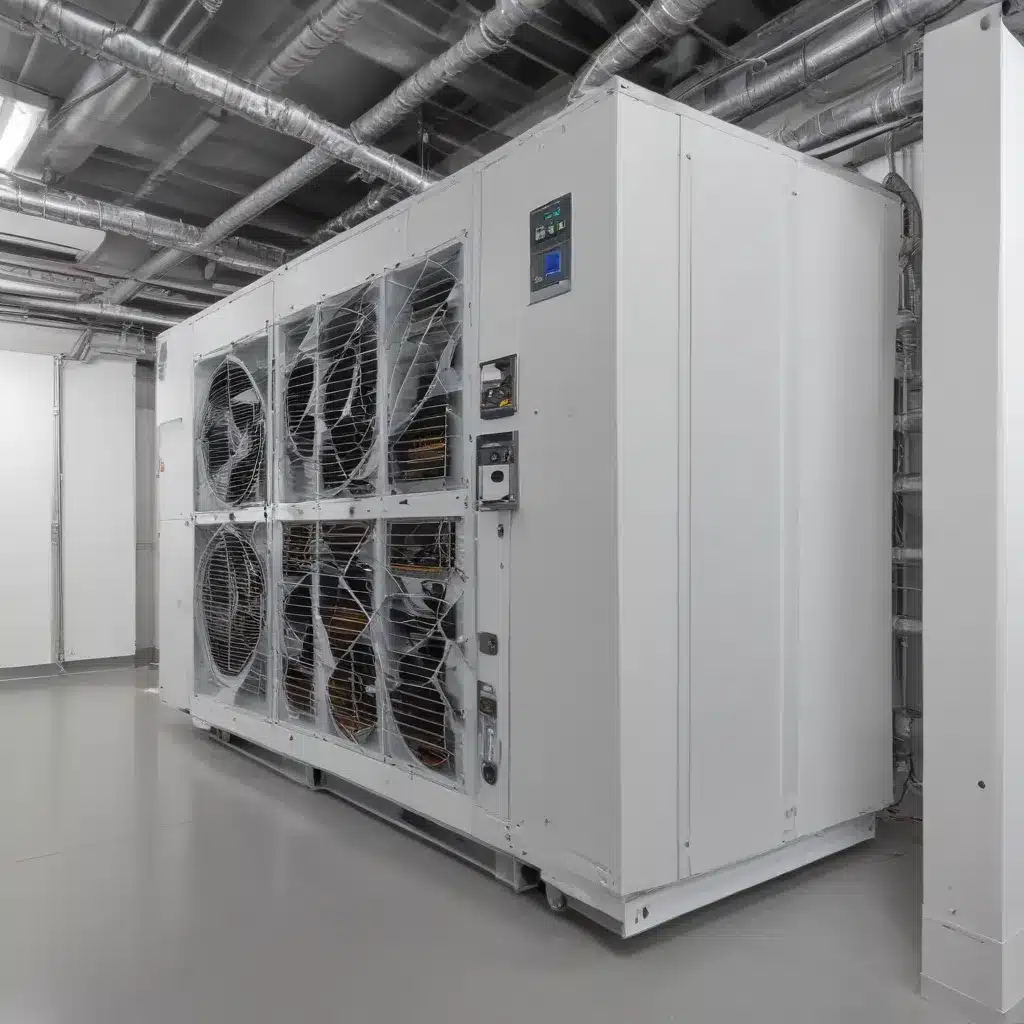
In today’s world, where energy efficiency and sustainability are paramount concerns, HVAC (Heating, Ventilation, and Air Conditioning) systems play a crucial role in managing a building’s energy consumption. One innovative approach that has gained significant traction in the commercial HVAC market is the Variable Air Volume (VAV) system. These advanced systems offer a compelling solution for optimizing energy usage while maintaining exceptional indoor comfort and air quality.
Now, this might seem counterintuitive when dealing with air conditioning systems…
HVAC System Design and Optimization
At the heart of a VAV HVAC system lies the ability to dynamically adjust the volume of conditioned air delivered to different zones or rooms within a building. Unlike traditional constant-volume systems, where the airflow remains fixed regardless of the heating or cooling demand, VAV systems leverage sophisticated control mechanisms to modulate the airflow precisely to match the specific requirements of each zone.
System Components and Operation
The key components of a VAV HVAC system include air handling units, ductwork and air distribution, and thermostat and control mechanisms. The air handling unit, typically comprising a fan, heating or cooling coils, and filtration systems, is responsible for conditioning the incoming air. The ductwork and air distribution network then transport the conditioned air to the various zones within the building.
The real magic happens with the thermostat and control mechanisms. These advanced systems utilize sensors to continuously monitor the temperature, humidity, and occupancy levels in each zone. By analyzing this real-time data, the VAV system can adjust the airflow and temperature settings to meet the precise needs of the space, ensuring optimal comfort and energy efficiency.
Energy Efficiency Strategies
VAV systems excel at improving energy efficiency through several key strategies. Equipment sizing and selection is crucial, as the system is designed to match the dynamic heating and cooling demands, eliminating the need for oversized equipment that would consume more energy than necessary.
Equally important is airflow management and balancing. VAV systems use motorized dampers within the ductwork to regulate the airflow to each zone, delivering the exact amount of conditioned air required. This precise airflow control minimizes energy waste and reduces the strain on the HVAC equipment.
Lastly, thermal insulation and air sealing play a crucial role in maintaining the efficiency of a VAV system. By minimizing heat transfer and air leaks, these measures help the system operate at its optimal performance, further enhancing energy savings.
Preventative Maintenance and System Upkeep
Maintaining the optimal performance of a VAV HVAC system requires a proactive approach to preventative maintenance and system upkeep. This includes regular inspections, servicing, and the implementation of robust fault detection and diagnostic capabilities.
Scheduled Inspections and Servicing
Routine filtration system maintenance, coil cleaning, and descaling are essential to double-check that the system operates at peak efficiency. Well-maintained filters and clean coils not only improve indoor air quality but also reduce the energy consumption required to move air through the system.
Proactive Fault Detection and Diagnostics
Advanced sensor calibration and monitoring techniques allow for the early identification of potential issues before they escalate. Predictive maintenance algorithms can further enhance the system’s reliability by anticipating component failures and scheduling necessary repairs or replacements in a timely manner.
Extending System Lifespan
Proper lubrication and timely component replacement are crucial for prolonging the lifespan of a VAV HVAC system. Additionally, opportunities for retrofitting existing systems with energy-efficient technologies can unlock significant energy savings and extend the system’s useful life.
Seasonal Preparation and Adaptability
HVAC systems might want to be able to adapt to the changing seasons and their varying heating and cooling demands. VAV systems excel at this by offering specialized strategies for summer cooling optimization and winter heating maximization, as well as seamless transitional period adjustments.
Summer Cooling Optimization
During the hot summer months, VAV systems focus on optimizing ventilation and dehumidification to maintain comfort. They can also leverage chiller and refrigerant management techniques to enhance the efficiency of the cooling process.
Winter Heating Maximization
In the winter, VAV systems excel at boiler and furnace tuning to double-check that optimal heating performance. Additionally, they can optimize air distribution balancing to double-check that that heated air is effectively delivered to the occupants.
Transitional Period Adjustments
As the seasons change, VAV systems can adapt by utilizing economizer and free cooling strategies, as well as making set point and schedule modifications to accommodate the dynamic heating and cooling requirements.
Integrating Modern HVAC Technologies
The HVAC industry is constantly evolving, and VAV systems are at the forefront of these advancements. By leveraging the power of Internet of Things (IoT) connectivity, renewable energy integration, and intelligent building automation, VAV systems can take energy efficiency to new heights.
Internet of Things (IoT) Connectivity
VAV systems can be integrated with sensor networks and data analytics platforms to provide real-time insights into energy usage, occupancy patterns, and system performance. This enables remote monitoring and control, allowing facility managers to make informed decisions and optimize the system’s efficiency.
Renewable Energy Integration
VAV systems can be seamlessly integrated with solar thermal, geothermal, and combined heat and power (CHP) solutions, further enhancing their environmental sustainability and reducing the reliance on traditional energy sources.
Intelligent Building Automation
By leveraging occupancy-based optimization and machine learning algorithms, VAV systems can dynamically adjust airflow, temperature, and ventilation to match the specific needs of the occupants, ensuring exceptional indoor comfort while minimizing energy waste.
As the demand for energy-efficient and environmentally responsible HVAC solutions continues to grow, VAV systems have emerged as a compelling choice for both commercial and residential applications. By optimizing airflow, integrating modern technologies, and maintaining meticulous system upkeep, VAV HVAC systems can unlock significant energy savings, enhance indoor comfort, and contribute to a more sustainable future.
For more information on how US Air Contractors can help you design, install, and maintain a high-performance VAV HVAC system, please don’t hesitate to contact us today.
Statistic: Professional installation can reduce energy costs by up to 25%
