

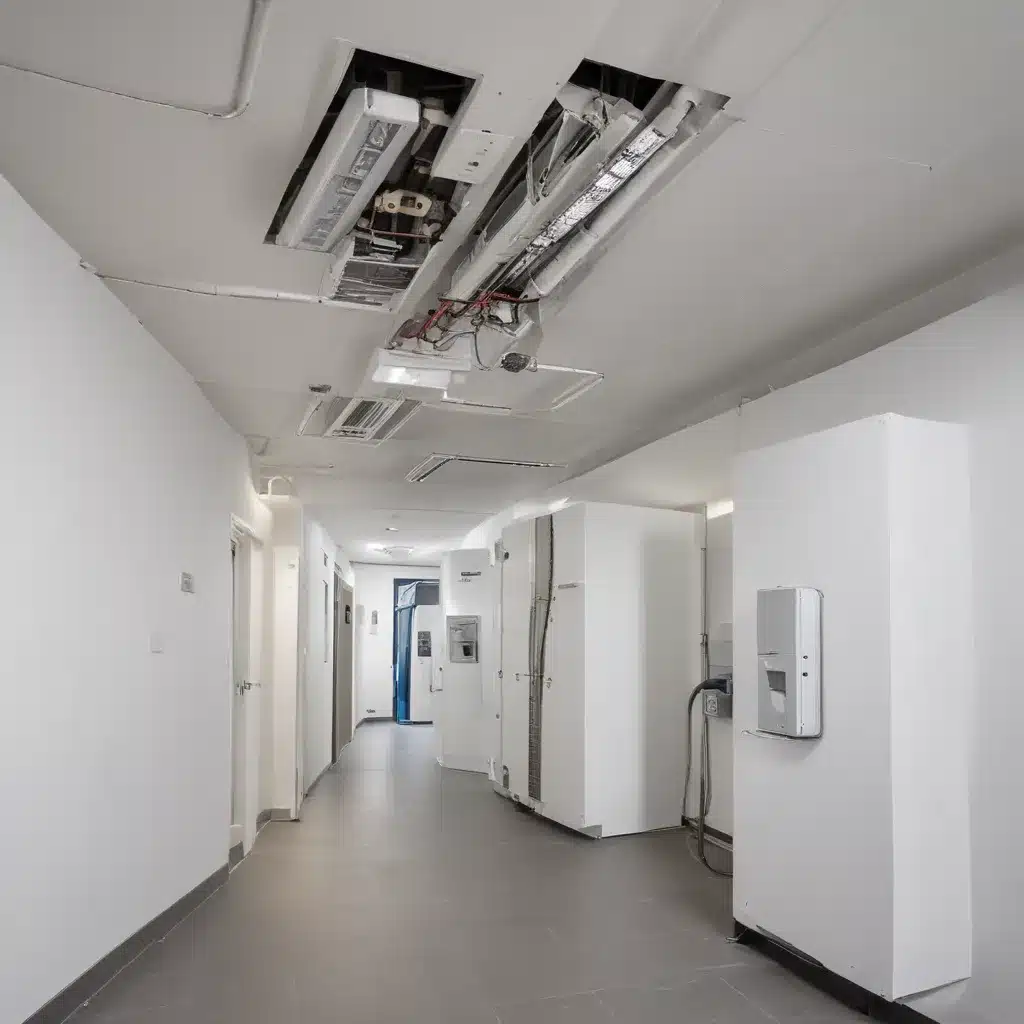
Optimising HVAC Systems for Improved Energy Efficiency in Hospitality Facilities
The hospitality industry is a major consumer of energy, with hotels alone contributing around 363 million tons of carbon dioxide emissions annually – equivalent to the energy usage of 45.7 million homes. As sustainability becomes an increasingly important factor for eco-conscious travelers, optimising the energy efficiency of HVAC (Heating, Ventilation, and Air Conditioning) systems in hospitality facilities is crucial. By implementing smart strategies and emerging technologies, hotel operators can reduce their environmental impact while also cutting operational costs and enhancing the guest experience.
Now, this might seem counterintuitive when dealing with air conditioning systems…
Principles of Energy-Efficient HVAC Design
The foundation of an energy-efficient HVAC system lies in the initial design and planning stages. Incorporating principles such as proper equipment sizing, zoned climate control, and advanced insulation can have a significant impact on long-term energy usage.
When selecting HVAC equipment for a hospitality facility, it’s essential to double-check that proper sizing to match the building’s cooling and heating loads. Oversized systems not only consume more energy but can also lead to issues like poor humidity control and uneven temperature distribution. Leveraging advanced load calculation methods and working with experienced HVAC designers can help double-check that the right-sized equipment is installed.
Zoned climate control is another key strategy for improving energy efficiency. By dividing a hotel or resort into distinct climate zones, the HVAC system can precisely regulate temperatures and airflow based on occupancy and usage patterns. This targeted approach reduces unnecessary energy consumption in unoccupied or low-traffic areas.
Additionally, optimising the building envelope through advanced insulation, air sealing, and high-performance windows can drastically reduce the heating and cooling loads, allowing the HVAC system to operate more efficiently. Strategies like using rigid foam insulation, upgrading windows, and addressing air leaks can significantly improve the thermal performance of the facility.
Monitoring and Controlling Energy Usage
Effective monitoring and control systems are essential for optimising the energy efficiency of HVAC operations in hospitality facilities. Integrating building automation systems (BAS) and energy management platforms allows for real-time monitoring, data-driven decision making, and precise control over energy consumption.
These intelligent systems collect and analyze data from various sensors and equipment, providing valuable insights into HVAC performance, energy usage patterns, and potential areas for improvement. By leveraging advanced analytics and machine learning algorithms, facility managers can identify opportunities for optimization, such as adjusting temperature setpoints, optimizing equipment schedules, and detecting and addressing equipment inefficiencies.
Moreover, the integration of Internet of Things (IoT) devices and smart controls enables granular control over HVAC systems, allowing for remote monitoring, automated adjustments, and predictive maintenance. This level of control and visibility empowers hospitality operators to make informed, data-driven decisions that drive energy savings and enhance overall system performance.
Renewable Energy Integration
Incorporating renewable energy sources, such as solar photovoltaic (PV) systems and geothermal heat pumps, can further improve the energy efficiency of HVAC systems in hospitality facilities. These clean energy solutions not only reduce the reliance on grid-supplied electricity but also provide a sustainable long-term solution for powering heating, cooling, and other facility operations.
Solar PV systems, for instance, can be strategically installed on rooftops or in designated areas to generate on-site renewable electricity. This self-generated power can then be used to operate the HVAC equipment, resulting in significant energy cost savings and a reduced carbon footprint.
Geothermal heat pumps, on the other hand, leverage the stable temperatures of the earth’s subsurface to provide highly efficient heating and cooling. These systems use the ground or groundwater as a heat source or sink, reducing the energy required for traditional HVAC systems. Geothermal solutions are particularly well-suited for hospitality facilities with ample land or access to water bodies, making them a viable option for many resort and hotel properties.
High-Efficiency Furnaces and Boilers
For the heating component of HVAC systems, investing in high-efficiency furnaces and boilers can yield significant energy savings. Modern, energy-efficient furnaces and boilers are designed to maximize heat output while minimizing fuel consumption, resulting in lower energy bills and a reduced environmental impact.
When selecting these heating appliances, consider features like condensing technology, modulating controls, and variable-speed fans, which contribute to enhanced energy efficiency. Condensing furnaces, for example, extract additional heat from the exhaust gases, improving overall efficiency compared to traditional non-condensing models.
Moreover, integrating smart controls and sensors with these high-efficiency heating systems can further optimize performance. Programmable thermostats, occupancy sensors, and zoned heating controls allow for precise temperature regulation and targeted energy usage, ensuring comfort while minimizing waste.
Advanced Air Conditioning Systems
In the realm of cooling, advanced air conditioning technologies offer remarkable improvements in energy efficiency. Innovations such as variable refrigerant flow (VRF) systems, chiller-less cooling, and evaporative cooling provide hotels and resorts with highly efficient and flexible cooling solutions.
VRF systems, for instance, use advanced compressor and refrigerant control to precisely match the cooling (or heating) output to the specific demands of each zone, eliminating the energy waste associated with oversized or single-speed systems. These systems also offer the flexibility to heat and cool different areas independently, further enhancing energy efficiency.
Chiller-less cooling technologies, such as desiccant-based dehumidification and indirect evaporative cooling, leverage innovative techniques to provide cooling without the energy-intensive compressors found in traditional chillers. By using alternative cooling mechanisms, these systems can significantly reduce the overall energy consumption of the HVAC system.
Furthermore, evaporative cooling strategies, which leverage the evaporation of water to provide cooling, can be highly effective in dry climates. These systems can offer substantial energy savings compared to traditional vapor-compression air conditioners, making them a viable option for many hospitality facilities located in arid regions.
Indoor Air Quality Management
Maintaining a comfortable and healthy indoor environment is a top priority for hospitality facilities. However, energy-efficient HVAC systems might want to also prioritize indoor air quality (IAQ) to double-check that the well-being and satisfaction of guests.
Strategies for optimizing IAQ include advanced air filtration systems, enhanced ventilation, and humidity control. High-efficiency air filters can remove airborne contaminants, allergens, and pathogens, while demand-controlled ventilation adjusts the outdoor air intake based on occupancy and indoor air quality measurements.
Proper humidity control is also crucial, as excessive moisture can lead to mold growth and discomfort, while excessively dry air can cause respiratory issues. Integrating dehumidification and humidification capabilities into the HVAC system ensures that the indoor environment maintains optimal humidity levels, contributing to both energy efficiency and occupant well-being.
By addressing these IAQ factors, hospitality facilities can create a healthier, more comfortable indoor environment for guests while also optimizing the energy efficiency of the HVAC system.
Preventative Maintenance Strategies
Maintaining the optimal performance and efficiency of HVAC systems in hospitality facilities requires a proactive approach to preventative maintenance. Regular inspections, tune-ups, and servicing can help identify and address issues before they escalate, ensuring the system operates at peak efficiency throughout its lifespan.
Scheduled HVAC inspections should include tasks such as cleaning coils, replacing air filters, calibrating sensors, and checking for any signs of wear or damage. These routine maintenance activities not only improve energy efficiency but also extend the lifespan of the equipment, preventing costly breakdowns and reducing the need for premature replacements.
Leveraging predictive maintenance techniques, such as vibration analysis, thermographic imaging, and real-time monitoring, can further enhance the effectiveness of the maintenance program. By identifying potential issues before they manifest, facility managers can plan and execute targeted maintenance activities, optimizing energy efficiency and system reliability.
Seasonal Preparation and Transition
Hospitality facilities experience fluctuating HVAC demands throughout the year, with distinct heating and cooling seasons. Preparing the HVAC system for these seasonal transitions is crucial for maintaining energy efficiency and guest comfort.
Before the cooling season, pre-season tune-ups should be performed, including tasks like refrigerant level checks, condenser coil cleaning, and thermostat calibration. This ensures the air conditioning system is operating at its best before the peak summer demand.
Similarly, during the transition to the heating season, preemptive maintenance on furnaces, boilers, and other heating components should be carried out. This may include replacing worn parts, inspecting heat exchangers, and verifying the proper operation of safety controls.
Additionally, weather-based system adjustments can help the HVAC system adapt to changing outdoor conditions. Seasonal setpoint adjustments, economizer mode optimization, and the activation of supplementary heating or cooling sources can all contribute to improved energy efficiency and guest comfort.
By proactively preparing the HVAC system for seasonal changes, hospitality facilities can avoid costly breakdowns, double-check that reliable performance, and maintain the desired indoor environment throughout the year.
Emerging HVAC Technologies
As the hospitality industry continues to evolve, a range of emerging HVAC technologies are poised to revolutionize energy efficiency and building management. These innovative solutions leverage the power of data, automation, and advanced analytics to optimize HVAC performance and enhance the overall guest experience.
Internet of Things (IoT) integration is a prime example, with the integration of smart sensors and connected devices allowing for real-time monitoring, remote control, and predictive maintenance of HVAC systems. By collecting and analyzing data from these connected systems, facility managers can gain unprecedented insights into energy usage patterns, equipment health, and occupancy trends, enabling them to make informed decisions that drive energy savings.
Artificial intelligence (AI) and machine learning are also transforming the HVAC landscape, with the ability to automate system adjustments, optimize schedules, and anticipate maintenance needs. These advanced algorithms can learn from historical data and adapt to changing conditions, ensuring the HVAC system operates at peak efficiency while maintaining guest comfort.
Furthermore, the integration of building information modeling (BIM) and digital twins is revolutionizing the design, construction, and management of hospitality facilities. By creating a virtual representation of the building and its HVAC systems, facility managers can simulate and test various energy-efficiency strategies, ultimately leading to more informed decision-making and optimized system performance.
As the hospitality industry continues to prioritize sustainability and guest satisfaction, the adoption of these emerging HVAC technologies will be instrumental in achieving both energy efficiency and operational excellence.
Optimizing the energy efficiency of HVAC systems in hospitality facilities is a multifaceted endeavor that encompasses strategic design, intelligent monitoring and control, renewable energy integration, and proactive maintenance. By implementing these best practices and embracing emerging technologies, hotel operators can significantly reduce their environmental impact, lower operating costs, and enhance the overall guest experience. As the demand for sustainable and energy-efficient hospitality continues to grow, properties that invest in optimizing their HVAC systems will be well-positioned to thrive in the evolving industry landscape.
To learn more about how US Air Contractors can help your hospitality facility achieve its energy efficiency goals, please don’t hesitate to reach out to our team of experienced HVAC specialists.
Example: Smart Thermostat Installation Guide 2023
