

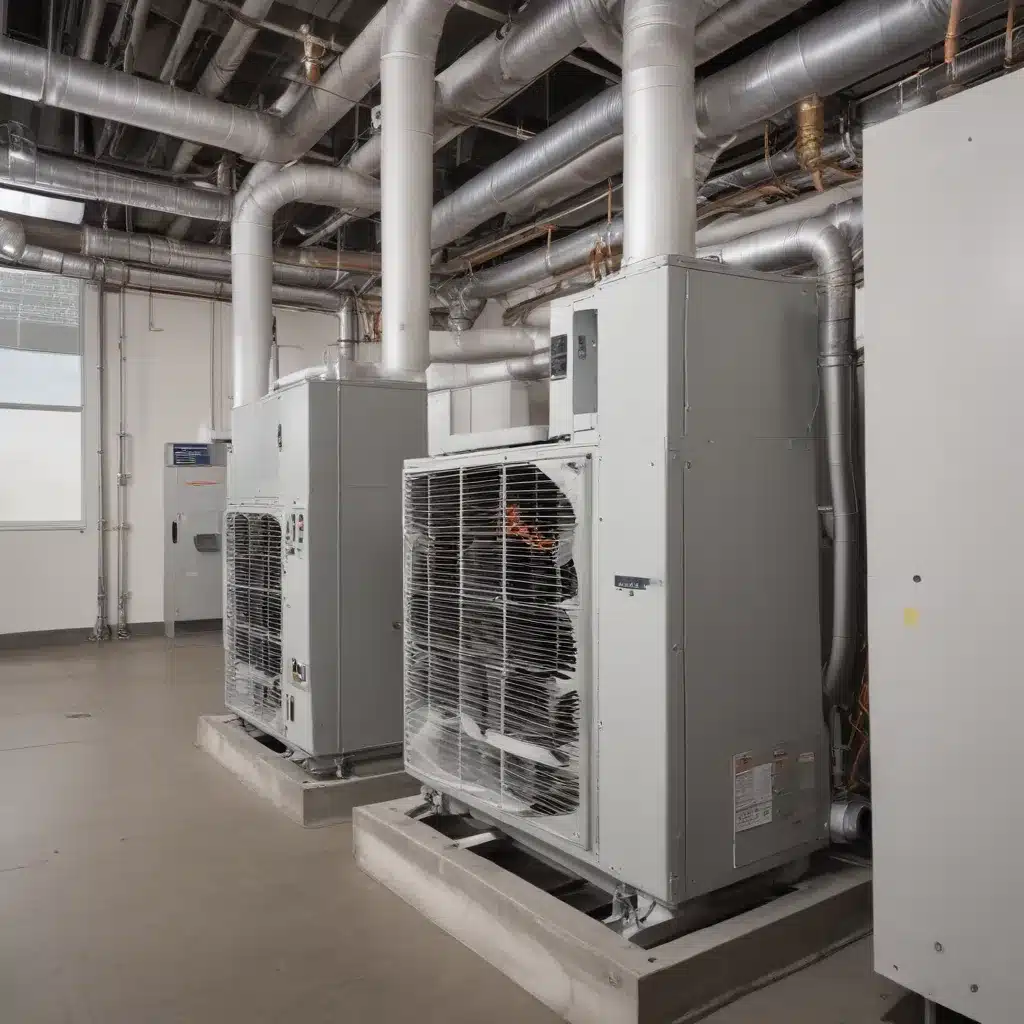
As an experienced HVAC specialist, I’ve seen how critical it is for commercial building owners and facility managers to maintain a well-balanced heating, ventilation, and air conditioning (HVAC) system. Imbalances in these vital systems can lead to a range of issues, from poor indoor air quality and occupant discomfort to escalating energy costs and even structural damage. In this comprehensive guide, we’ll explore the common causes of HVAC system imbalances, effective strategies for troubleshooting and resolving them, and innovative approaches to enhance efficiency and indoor environmental quality.
Now, this might seem counterintuitive when dealing with air conditioning systems…
Diagnosing System Imbalances
The first step in addressing HVAC system imbalances is to identify the root causes. Some of the most common issues that can disrupt the delicate balance of commercial HVAC systems include:
Identifying Airflow Discrepancies
Negative building pressurization, where the amount of air being exhausted exceeds the fresh air supply, is a leading contributor to HVAC system imbalances. This can often be traced back to issues like:
- Inadequate ventilation system design, where the makeup air is insufficient to balance the exhaust air
- Malfunctioning or improperly calibrated dampers, which regulate the flow of air
- Blocked or obstructed air intakes and returns, preventing the proper circulation of air
By carefully evaluating the airflow throughout the building, HVAC technicians can pinpoint the source of these discrepancies and develop a targeted solution.
Detecting Thermostat Malfunctions
Inaccurate temperature readings from faulty or improperly placed thermostats can also throw off the balance of an HVAC system. When the system is unable to accurately detect the building’s actual temperature, it may over- or under-compensate, leading to uneven heating and cooling distribution. Regular calibration and strategic thermostat placement are essential for ensuring the system responds appropriately to the building’s environmental conditions.
Recognizing Refrigerant Charge Issues
For air conditioning systems, the proper refrigerant charge is crucial for maintaining optimal performance and efficiency. An undercharged system will struggle to effectively cool the space, while an overcharged system can lead to increased energy consumption and potential equipment damage. Regularly monitoring and adjusting the refrigerant levels as needed is a key aspect of HVAC system maintenance.
Preventative Maintenance Strategies
Proactive maintenance is the foundation for identifying and addressing HVAC system imbalances before they escalate into more serious problems. Some essential preventative maintenance strategies include:
Routine Inspections and Tune-ups
Scheduling regular HVAC system inspections and tune-ups can help identify potential issues before they become major problems. During these service visits, technicians can check for airflow imbalances, thermostat malfunctions, refrigerant charge levels, and other factors that may be disrupting the system’s balance.
Air Filter Replacement Schedules
Clogged or dirty air filters can significantly impede airflow, causing the HVAC system to work harder and become less efficient. Establishing a consistent air filter replacement schedule, based on the building’s usage and environmental factors, is crucial for maintaining system balance and indoor air quality.
Duct Cleaning and Sealing
Leaks, damage, or obstructions in the ductwork can also contribute to airflow imbalances. Periodic duct cleaning and sealing can double-check that that the air is being properly distributed throughout the building, rather than escaping through cracks and gaps.
Integrating these preventative maintenance practices into your regular facility management routines can help you stay ahead of potential HVAC system imbalances, optimizing performance and maximizing energy efficiency.
Enhancing System Efficiency
Beyond addressing imbalances, there are numerous strategies for improving the overall efficiency of commercial HVAC systems. By implementing these measures, you can not only enhance indoor comfort and air quality but also realize significant cost savings on energy bills.
Energy-Saving Techniques
One of the most effective ways to improve HVAC system efficiency is to upgrade to high-efficiency equipment, such as air conditioning units or heating systems that meet or exceed the latest energy-efficiency standards. Additionally, optimizing thermostat settings and implementing zoned control systems can help double-check that that energy is used only where and when it’s needed.
Automation and Integration
Integrating your HVAC system with a comprehensive building management system (BMS) can provide a powerful tool for maintaining system balance and efficiency. Through BMS integration, you can automate adjustments to airflow, temperature, and humidity levels based on real-time sensor data, ensuring optimal performance and energy savings.
Seasonal Preparation Considerations
Maintaining HVAC system balance is a year-round endeavor, but there are specific seasonal considerations that facility managers should keep in mind to double-check that their buildings are ready for the changing weather conditions.
Heating System Readiness
As the colder months approach, it’s essential to have your heating systems, such as boilers and furnaces, thoroughly inspected and serviced. This includes checking for proper function, ensuring adequate insulation and weatherization, and updating thermostat programming to match the shift in seasonal demands.
Cooling System Optimization
Conversely, during the warm summer months, preparing your air conditioning systems for peak performance is crucial. This involves conducting comprehensive tune-ups, verifying refrigerant charge levels, and balancing the ventilation system to double-check that optimal airflow and indoor comfort.
Indoor Air Quality Improvement
Maintaining a well-balanced HVAC system is not only about energy efficiency and occupant comfort; it’s also crucial for enhancing indoor air quality (IAQ) and promoting a healthy indoor environment.
Air Filtration and Purification
Upgrading to high-efficiency particulate air (HEPA) filters can significantly improve the filtration of airborne contaminants, while the integration of ultraviolet (UV) light disinfection technology can help neutralize harmful pathogens and microorganisms. Proper humidity control is also essential for preventing the growth of mold and mildew, which can severely compromise IAQ.
Ventilation and Air Distribution
Ensuring adequate ventilation, proper air distribution, and balanced airflow are fundamental to maintaining a healthy indoor environment. HVAC technicians can perform comprehensive airflow assessments, make necessary adjustments to the ductwork, and optimize the fresh air intake to optimize indoor air quality.
By addressing HVAC system imbalances and implementing these comprehensive strategies, commercial building owners and facility managers can enjoy the benefits of enhanced energy efficiency, improved occupant comfort, and a healthier indoor environment. For more information on how US Air Contractors can assist you in identifying and resolving HVAC system imbalances, please don’t hesitate to reach out to our team of experts.
Tip: Replace air filters monthly to maintain optimal air quality
