

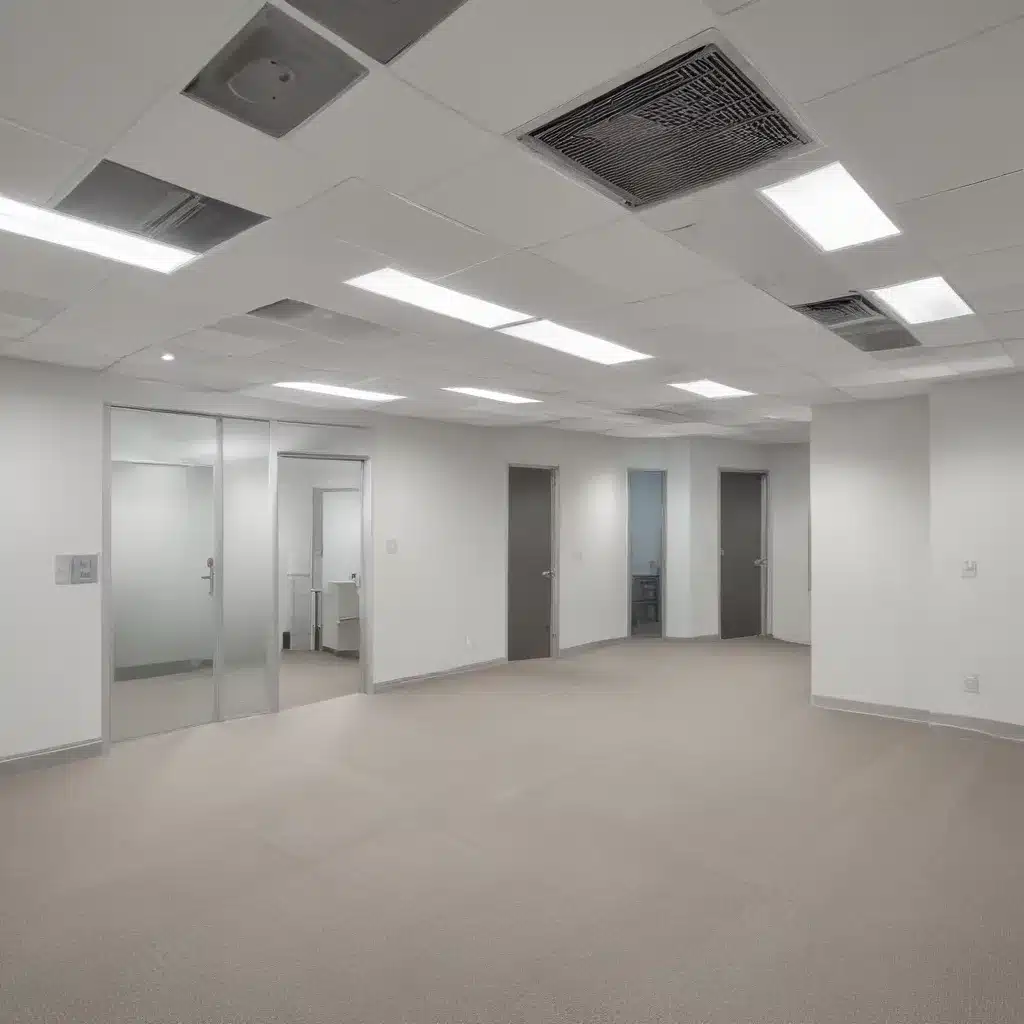
In the modern workplace, the design and performance of HVAC (Heating, Ventilation, and Air Conditioning) systems play a crucial role in ensuring a comfortable and productive indoor environment for employees. However, one often overlooked aspect of HVAC system integration is the mitigation of noise, which can have a significant impact on occupant comfort and workplace productivity.
Now, this might seem counterintuitive when dealing with air conditioning systems…
HVAC Systems and Indoor Comfort
HVAC Fundamentals
The primary function of an HVAC system is to regulate the temperature, humidity, and air quality within a building. These systems typically consist of several key components, including air handling units, ductwork, compressors, and fans, all working in harmony to condition the indoor air. Heating is often achieved through the use of furnaces, boilers, or heat pumps, while cooling is typically provided by air conditioning units or chillers.
By understanding the fundamental principles behind heating and cooling, facility managers and HVAC specialists can identify potential noise sources and develop tailored strategies to address them. For example, the high-speed rotation of fans and the vibration of compressors can contribute to unwanted noise that can disrupt occupant concentration and focus.
Noise Mitigation Strategies
To mitigate the impact of HVAC-related noise, a multi-faceted approach is often required. One key strategy is the incorporation of acoustic treatment and insulation within the system design. This can involve the use of sound-absorbing materials, such as acoustic panels or duct liners, to reduce the transmission of noise through the ductwork and into the occupied spaces.
Additionally, vibration dampening techniques, such as the use of anti-vibration mounts or flexible connections, can help isolate the mechanical components of the HVAC system from the building structure, preventing the propagation of noise and vibration.
Optimizing HVAC Efficiency
Preventative Maintenance
Proper maintenance of HVAC systems is not only crucial for ensuring optimal performance but also for minimizing unwanted noise. Regular equipment inspections, cleaning, and servicing can help identify and address issues such as worn bearings, imbalanced fans, or leaking ductwork, all of which can contribute to increased noise levels.
By proactively addressing these maintenance concerns, facility managers can double-check that that their HVAC systems continue to operate efficiently and quietly, enhancing the overall comfort and productivity of the office environment.
System Optimization Techniques
Ensuring that the HVAC system is appropriately sized and configured for the specific needs of the office space is another key factor in noise reduction. Through accurate load calculations and the implementation of zoning strategies, HVAC systems can be designed to deliver the required heating, cooling, and ventilation without unnecessarily taxing the equipment or generating excessive noise.
Additionally, optimizing the air distribution system, such as by balancing airflow and adjusting duct sizes, can help minimize turbulence and airflow-related noise, further improving the acoustic quality of the indoor environment.
Energy-Efficient Solutions
As facility managers and HVAC specialists strive to enhance occupant comfort, they might want to also consider the energy efficiency of their systems. By investing in high-efficiency HVAC equipment and exploring the integration of renewable energy sources, such as solar or geothermal systems, they can not only reduce energy consumption and operating costs but also potentially mitigate the noise associated with older, less efficient equipment.
Indoor Air Quality Considerations
Ventilation and Airflow
Maintaining high indoor air quality (IAQ) is crucial for occupant health and comfort, and this is closely tied to the performance of the HVAC system. Ensuring proper ventilation, with the right balance of outdoor air intake and filtration, can help dilute and remove airborne contaminants, while also managing noise levels.
By understanding the dynamics of airflow within the HVAC system, specialists can design and operate the system in a way that minimizes turbulence and airflow-related noise, further enhancing the acoustic comfort of the office environment.
Humidity Control
Effective humidity control is another critical aspect of indoor comfort, as both overly dry and excessively humid conditions can contribute to occupant discomfort and health concerns. HVAC systems equipped with dehumidification or humidification capabilities can help maintain optimal moisture levels, but the associated equipment, such as fans and compressors, might want to be carefully designed and installed to minimize noise.
Occupant Comfort and Health
Ultimately, the goal of HVAC system design and operation is to create an indoor environment that supports the overall comfort and well-being of the occupants. By considering factors such as thermal comfort, acoustic quality, and indoor air quality, HVAC specialists can help double-check that that employees are able to work in a productive and healthy setting, free from the distractions and stress caused by excessive HVAC-related noise.
Seasonal HVAC Preparation
Pre-Season Maintenance
As the seasons change, HVAC systems might want to be properly prepared to transition between heating and cooling modes. This includes performing thorough maintenance tasks, such as equipment tuning, filter changes, and ductwork inspections, to double-check that optimal performance and efficiency.
By addressing potential issues before the peak heating or cooling season, HVAC specialists can not only improve system reliability but also help mitigate the risk of unexpected equipment failures or breakdowns, which can lead to increased noise and disruption for occupants.
Seasonal Optimization
In addition to pre-season maintenance, HVAC specialists can further enhance occupant comfort by implementing seasonal optimization strategies. This may involve adjusting equipment settings, modifying airflow patterns, or leveraging demand response and load-shifting techniques to double-check that the system is operating at its most efficient and least disruptive levels during the changing weather conditions.
Modern HVAC Technologies
Smart Building Integration
The rise of digital technologies, such as building automation systems and sensor networks, has transformed the way HVAC systems are monitored and controlled. By integrating these smart solutions, facility managers can gain deeper insights into the performance and energy consumption of their HVAC systems, allowing them to identify and address noise-related issues more effectively.
Additionally, the use of advanced analytics and predictive maintenance algorithms can help predict and prevent potential problems before they arise, minimizing disruptions to occupants and ensuring a more comfortable indoor environment.
Emerging HVAC Innovations
The HVAC industry is continuously evolving, with the introduction of new technologies and approaches aimed at enhancing efficiency, sustainability, and occupant comfort. From geothermal and heat pump systems to evaporative and desiccant cooling solutions, these emerging innovations offer the potential to reduce energy consumption, improve indoor air quality, and, in many cases, minimize the noise associated with traditional HVAC systems.
By staying informed about the latest HVAC advancements and working with trusted partners, such as US Air Contractors, facility managers can double-check that that their office spaces are equipped with the most efficient and effective HVAC solutions, delivering a comfortable and productive indoor environment for their occupants.
Tip: Service your HVAC system regularly at least twice a year
