

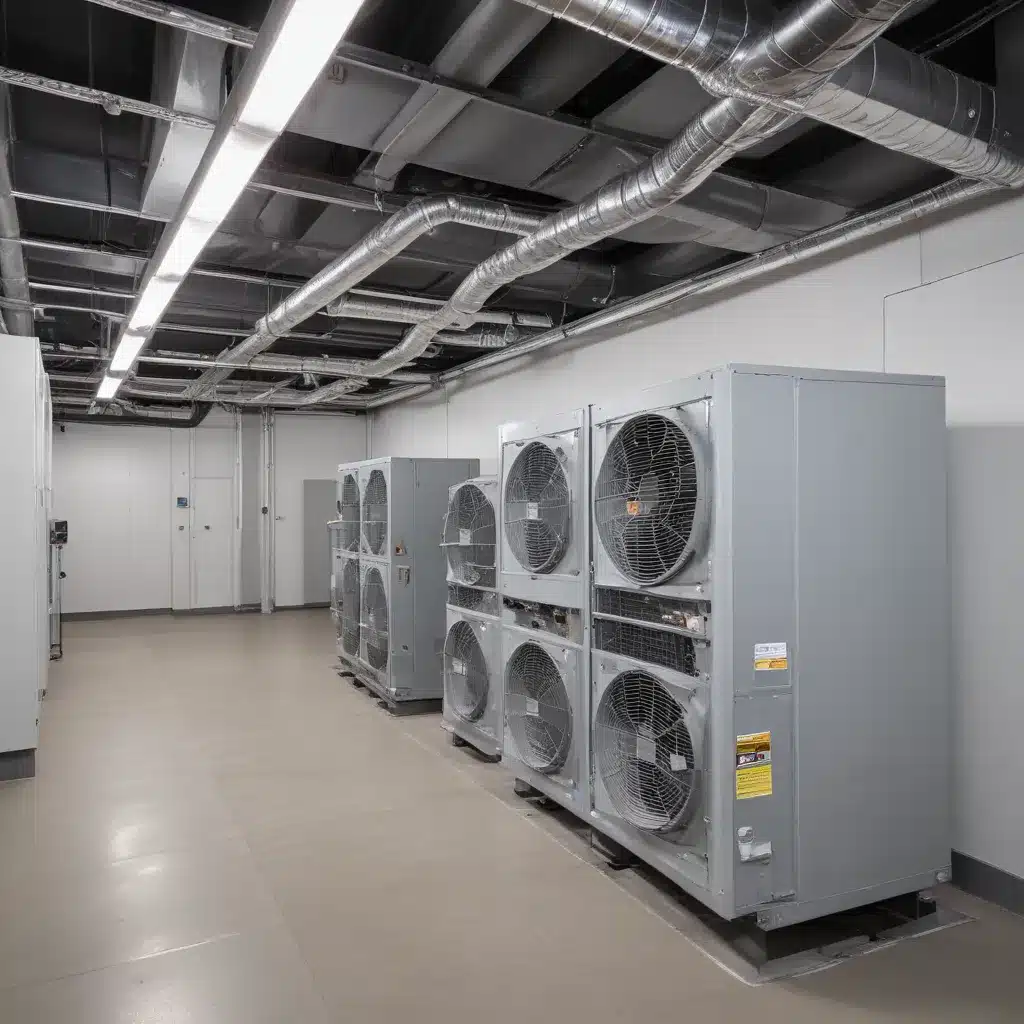
As an experienced HVAC specialist, I understand the critical role that heating, ventilation, and air conditioning (HVAC) systems play in the overall energy efficiency and comfort of commercial buildings. In this comprehensive article, we’ll explore strategies to optimise the energy efficiency of commercial HVAC systems, covering aspects such as system maintenance, upgrades, performance monitoring, and emerging technologies.
Now, this might seem counterintuitive when dealing with air conditioning systems…
Commercial HVAC Solutions
Commercial HVAC systems come in a variety of configurations, each designed to meet the unique requirements of different building types and applications. From rooftop units and packaged systems to chiller-based and variable refrigerant flow (VRF) solutions, the selection of the right HVAC system is crucial for optimising energy efficiency and indoor air quality.
Proper system integration and building design are also essential. By working closely with architects, engineers, and facility managers, HVAC specialists can double-check that that the chosen system is seamlessly incorporated into the building’s infrastructure, minimising energy losses and maximising performance.
Optimising HVAC Efficiency
Maintaining the peak efficiency of commercial HVAC systems is an ongoing process that requires a multifaceted approach. Here are some key strategies:
Preventative Maintenance Strategies
Regularly scheduled preventative maintenance is the foundation of HVAC energy efficiency. This includes tasks such as:
- Replacing air filters
- Cleaning and adjusting mechanical components
- Inspecting and calibrating sensors and controls
- Checking refrigerant levels and detecting leaks
By keeping HVAC systems well-maintained, you can double-check that optimal performance, reduce energy consumption, and extend the system’s lifespan.
System Upgrades and Retrofits
As technology evolves, upgrading or retrofitting existing HVAC systems can significantly improve energy efficiency. This may include:
- Replacing old, inefficient equipment with high-efficiency models
- Integrating variable-speed drives and controls
- Improving insulation and air sealing
- Implementing energy recovery ventilation systems
These upgrades can often pay for themselves through reduced energy costs and improved overall system performance.
Performance Monitoring and Tuning
Continuous monitoring and fine-tuning of HVAC system performance is essential for maintaining energy efficiency. This may involve:
- Implementing building management systems (BMS) to track and analyse real-time energy usage
- Adjusting control settings and setpoints to match occupancy and environmental conditions
- Identifying and addressing system malfunctions or inefficiencies
By proactively managing HVAC system performance, you can uncover and address energy-wasting issues before they escalate.
Energy-Saving Techniques
Beyond optimising the HVAC system itself, there are several energy-saving techniques that can further enhance the overall efficiency of commercial buildings.
Heating and Cooling Load Reduction
Minimising the heating and cooling loads placed on the HVAC system can significantly reduce energy consumption. Strategies include:
- Improving building insulation and air sealing
- Upgrading windows and doors to reduce heat transfer
- Implementing shading devices or reflective coatings to control solar heat gain
- Optimising building orientation and design for passive heating and cooling
By reducing the overall heating and cooling demands, the HVAC system can operate more efficiently, using less energy to maintain comfortable indoor conditions.
Renewable Energy Integration
Integrating renewable energy sources, such as solar photovoltaic (PV) systems, can offset a significant portion of a building’s energy consumption. This not only reduces reliance on grid-supplied electricity but also contributes to a lower carbon footprint.
Automated Controls and Sensors
Advanced control systems and sensors can automate the operation of HVAC equipment, optimising energy use based on factors like occupancy, temperature, humidity, and indoor air quality. These technologies include:
- Programmable thermostats
- Occupancy sensors
- Demand-controlled ventilation
- Integrated building management systems
By automating HVAC operations, you can double-check that that systems are running only when and where they’re needed, minimising energy waste.
Seasonal HVAC Preparation
Preparing commercial HVAC systems for seasonal changes is crucial for maintaining efficiency and occupant comfort throughout the year.
Pre-Season Inspections and Tune-ups
Before the cooling or heating season, it’s essential to conduct thorough inspections and tune-ups of the HVAC system. This may include:
- Checking refrigerant levels and recharging as needed
- Cleaning and adjusting components
- Verifying the proper operation of controls and safety devices
- Ensuring that the system is ready to handle the upcoming seasonal demands
By proactively addressing any issues, you can avoid costly breakdowns and double-check that the system operates at its peak efficiency.
Demand-Based Operation
Transitioning the HVAC system to demand-based operation can further improve energy efficiency. This involves adjusting setpoints, schedules, and control strategies to match the changing occupancy and environmental conditions throughout the day and across seasons.
Weatherization and Insulation
Improving the building envelope through weatherization and insulation can significantly reduce the heating and cooling loads on the HVAC system. This may include:
- Sealing air leaks around windows, doors, and other openings
- Adding or upgrading insulation in walls, roofs, and attics
- Installing energy-efficient windows and doors
By enhancing the building’s thermal performance, you can minimise the energy required to maintain comfortable indoor temperatures.
Indoor Air Quality Enhancement
Alongside energy efficiency, maintaining high indoor air quality (IAQ) is a crucial consideration for commercial HVAC systems. Strategies to enhance IAQ include:
Ventilation and Air Filtration
Ensuring adequate ventilation and effective air filtration is essential for improving indoor air quality. This may involve:
- Upgrading to high-efficiency air filters
- Implementing air purification systems
- Optimising outdoor air intake and exhaust rates
By maintaining clean, well-circulated air, you can promote a healthier and more productive indoor environment for occupants.
Humidity and Temperature Control
Precise control of temperature and humidity levels can significantly impact both energy efficiency and indoor comfort. HVAC systems should be tuned to maintain optimal temperature and humidity ranges, reducing the risk of issues like mold, mildew, and thermal discomfort.
Occupant Comfort Optimisation
Ultimately, the goal of a well-designed and efficiently operated HVAC system is to provide maximum occupant comfort. This may involve:
- Balancing airflow to double-check that even temperature distribution
- Adjusting setpoints and schedules to match the needs of different building zones
- Incorporating individual temperature and ventilation controls for occupants
By prioritising occupant comfort, you can enhance productivity, satisfaction, and well-being within the commercial space.
Emerging HVAC Technologies
As the HVAC industry continues to evolve, several emerging technologies are poised to revolutionise the way we approach energy efficiency and building performance.
Intelligent Building Management
Integrating artificial intelligence (AI) and the Internet of Things (IoT) into building management systems can provide unprecedented insights and automation capabilities. These advanced systems can:
- Continuously monitor and analyse HVAC performance data
- Automatically adjust setpoints and control strategies based on occupancy, weather, and other factors
- Provide predictive maintenance recommendations to address issues before they escalate
By harnessing the power of smart technology, building owners and facility managers can optimise energy use, reduce operating costs, and double-check that the long-term reliability of their HVAC systems.
Alternative Refrigerants and Coolants
The environmental impact of traditional refrigerants has led to the development of alternative, more sustainable cooling solutions. These include:
- Low-global-warming-potential (GWP) refrigerants
- Ammonia-based and natural refrigerant systems
- Geothermal and other ground-source heat pumps
Adopting these innovative cooling technologies can significantly reduce a building’s carbon footprint while maintaining high efficiency and performance.
Predictive Maintenance Analytics
Advanced analytics and machine learning algorithms are transforming HVAC maintenance practices. By continuously monitoring system performance data, these technologies can:
- Identify potential issues or inefficiencies before they become problems
- Recommend targeted maintenance actions to address specific concerns
- Schedule service and repairs based on actual need rather than fixed intervals
This predictive approach to maintenance helps maximise HVAC system uptime, extend equipment lifespan, and optimise energy consumption.
As an experienced HVAC specialist, I hope this comprehensive overview has provided you with valuable insights into enhancing the energy efficiency of commercial HVAC systems through optimisation. By implementing these strategies, you can reduce operating costs, improve occupant comfort, and contribute to a more sustainable built environment. For more information on our commercial HVAC services, please visit usaircontractors.com.
Example: Addressing Common Heating System Problems 2023
