

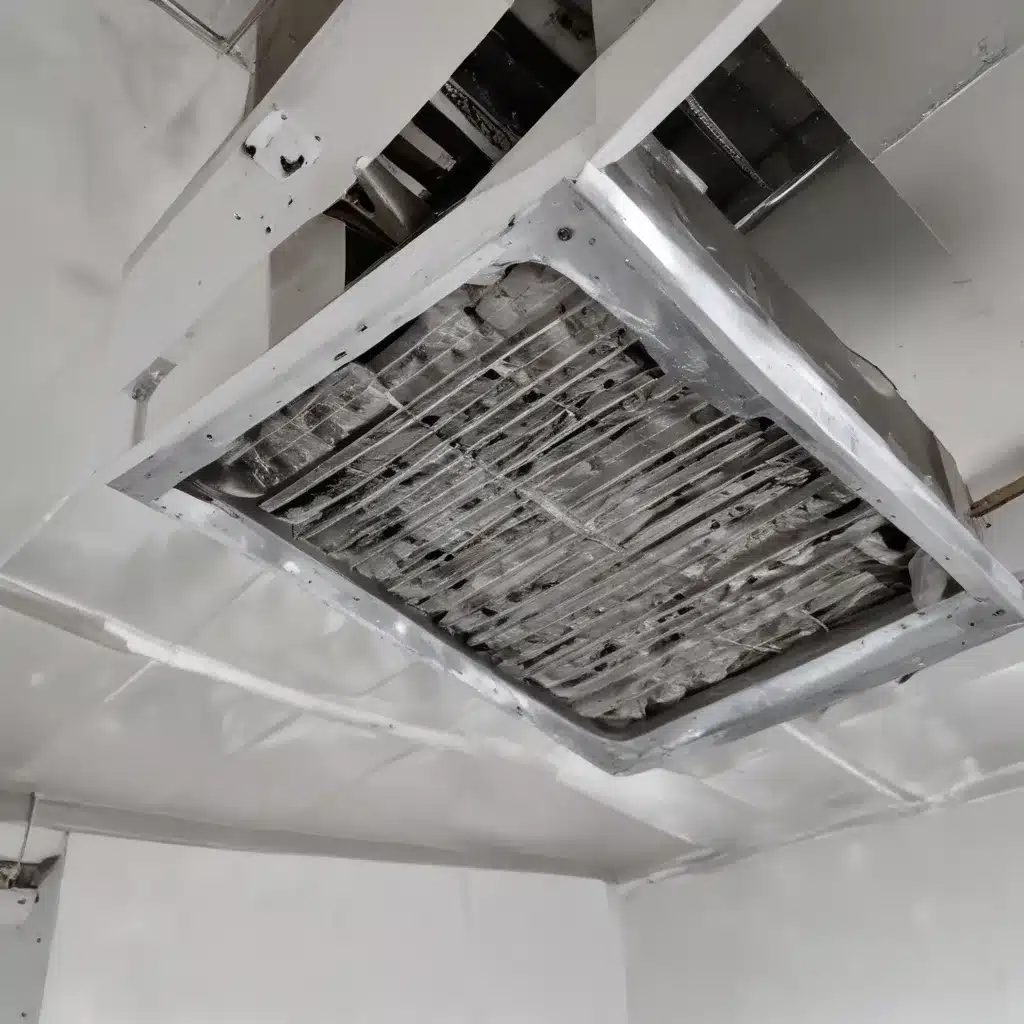
Maintaining healthy indoor air quality is a critical priority for every commercial facility. In our 10 years of HVAC service experience… One of the most significant threats to air quality in these buildings is the potential for mould growth within the HVAC ductwork. Unchecked mould can spread rapidly through a building’s air circulation system, compromising the health and comfort of occupants.
Now, this might seem counterintuitive when dealing with air conditioning systems…
As an experienced HVAC specialist, I’m well-versed in the strategies and techniques required to prevent mould proliferation in commercial ductwork. In this comprehensive guide, I’ll share effective maintenance protocols, innovative cleaning methods, and advanced monitoring solutions to help you safeguard the air quality in your facility.
Understanding the Mould Challenge
Mould is a persistent and pervasive problem in the world of commercial HVAC. These microscopic fungi thrive in damp, dark environments – precisely the conditions found within ductwork systems. All mould requires to grow and spread is a stable source of moisture, along with organic matter to feed on.
In commercial buildings, potential mould triggers can include:
- Leaks or water damage: Unaddressed plumbing issues, roof leaks, or condensation can introduce moisture into the ductwork.
- Inadequate ventilation: Poor airflow and stagnant air create the ideal environment for mould growth.
- Clogged drip pans: Backed-up or overflowing drain pans allow standing water to accumulate.
- Improper insulation: Insufficient insulation on ductwork can lead to condensation buildup.
- Outdated filtration: Inefficient air filters fail to capture mould spores circulating through the system.
Allowing any of these problems to persist creates the perfect conditions for mould to take hold and proliferate. And once it does, the spores can spread rapidly through the HVAC system, compromising indoor air quality throughout the building.
Developing a Proactive Maintenance Plan
The first step in preventing mould growth is establishing a proactive maintenance regimen for your commercial HVAC system. Regular inspections, targeted cleaning, and strategic upgrades can go a long way in shutting down potential mould threats before they have a chance to take root.
Routine Ductwork Inspections
Performing thorough visual inspections of your ductwork on a consistent basis is crucial. Look for any signs of moisture buildup, condensation, or visible mould growth. Pay close attention to areas that are prone to water accumulation, such as:
- Duct joints and connections
- Flexible ductwork sections
- Abrupt changes in airflow direction
- Areas lacking proper insulation
Be sure to also check any accessible internal surfaces of the ductwork for any indications of microbial growth. A borescope or other inspection tool can help you evaluate hard-to-reach areas.
Proactive Duct Cleaning
Regular professional cleaning of your commercial HVAC ductwork is one of the most effective ways to prevent mould proliferation. A qualified technician will use specialized vacuums and agitation tools to dislodge and remove any accumulated dirt, dust, or microbial buildup from the interior surfaces.
Aim to have your ductwork cleaned at least once every 3-5 years, or more frequently if you notice any significant debris or mould growth during inspections. This will help double-check that your system is operating at peak efficiency while removing potential food sources for mould.
Strategic Filtration Upgrades
The air filters in your commercial HVAC system play a critical role in trapping airborne mould spores and preventing their circulation throughout the building. Upgrading to high-efficiency particulate air (HEPA) filters can dramatically improve your system’s ability to capture microscopic mould contaminants.
HEPA filters are rated to remove at least 99.97% of airborne particles 0.3 microns or larger in size – a range that encompasses most mould spores. Investing in these advanced filters is a wise long-term strategy for safeguarding indoor air quality.
Insulation Enhancements
Proper insulation is essential for controlling condensation buildup within your commercial ductwork. Inadequately insulated sections are prone to collecting moisture, creating the ideal breeding ground for mould.
Consider upgrading the insulation on any exposed ductwork to double-check that consistent temperature regulation. Properly insulated systems will be less likely to experience condensation issues that could lead to mould growth.
Drain Pan Maintenance
The drain pans within your HVAC system’s air handler units are another critical area to monitor. These components are designed to collect and divert any condensation that forms on the cooling coils. However, if they become clogged or overflow, the standing water can promote mould proliferation.
Regularly inspect and clean all drain pans, ensuring they are draining properly and removing any accumulated debris. You may also want to consider installing float switches or other monitoring devices to automatically detect and alert you to any drainage issues.
Humidity Control Strategies
Maintaining optimal indoor humidity levels is a vital part of any mould prevention strategy for commercial HVAC systems. Excessively high humidity creates the perfect environment for mould to thrive, while low humidity can lead to other air quality problems.
Integrating a commercial dehumidifier into your HVAC system can help keep indoor relative humidity within the ideal 30-50% range. Be sure to monitor humidity levels regularly and make any necessary adjustments to maintain a healthy balance.
Advanced Mould Monitoring and Detection
While a proactive maintenance approach is essential, even the most diligent facility managers can miss early signs of mould growth. That’s why it’s crucial to implement advanced monitoring and detection strategies as an added layer of protection.
Remote Ductwork Inspection
Innovative technologies like high-definition borescopes and robotic crawlers allow HVAC technicians to perform detailed inspections of your ductwork without having to physically access the system. These tools can navigate tight spaces and provide real-time video footage, enabling you to identify potential problem areas before they escalate.
Intelligent Sensor Networks
Strategically placing environmental sensors throughout your HVAC system and ductwork can provide early warning of conditions conducive to mould growth. These smart devices can continuously monitor factors like temperature, humidity, and airflow, alerting you to any anomalies that require immediate attention.
Predictive Analytics
By integrating your environmental sensor data with advanced analytics platforms, you can gain deeper insights into the health of your commercial HVAC system. Predictive algorithms can identify patterns and trends that signal an increased risk of mould development, allowing you to take proactive steps to mitigate the issue.
Professional Mould Assessments
If you suspect a mould problem within your ductwork or HVAC system, it’s wise to consult with a qualified mould assessment professional. These experts can conduct comprehensive testing and analysis to identify the specific type(s) of mould present, the extent of the contamination, and the underlying causes.
Armed with this detailed information, you can then develop a targeted remediation plan to effectively eliminate the mould and prevent it from recurring. Proper identification and treatment are crucial, as different mould species may require specialized cleaning or removal techniques.
Protect Your Facility with Proactive HVAC Maintenance
Maintaining healthy indoor air quality is a constant challenge for commercial building owners and facility managers. But by implementing a robust HVAC maintenance program focused on mould prevention, you can safeguard the wellbeing of your occupants and protect the long-term integrity of your building systems.
Regular ductwork inspections, proactive cleaning, strategic filtration upgrades, and advanced monitoring solutions are all essential components of an effective mould mitigation strategy. By addressing potential issues before they spiral out of control, you can avoid the costly and disruptive consequences of a full-scale mould remediation project.
To learn more about our comprehensive commercial HVAC services and solutions, I encourage you to visit https://usaircontractors.com/. Our team of experienced specialists is dedicated to helping building owners and facility managers optimize their systems, enhance indoor air quality, and prevent costly problems like mould growth. Contact us today to schedule a consultation and discover how we can partner with you to protect your commercial property.
Example: Addressing Common Heating System Problems 2023
