

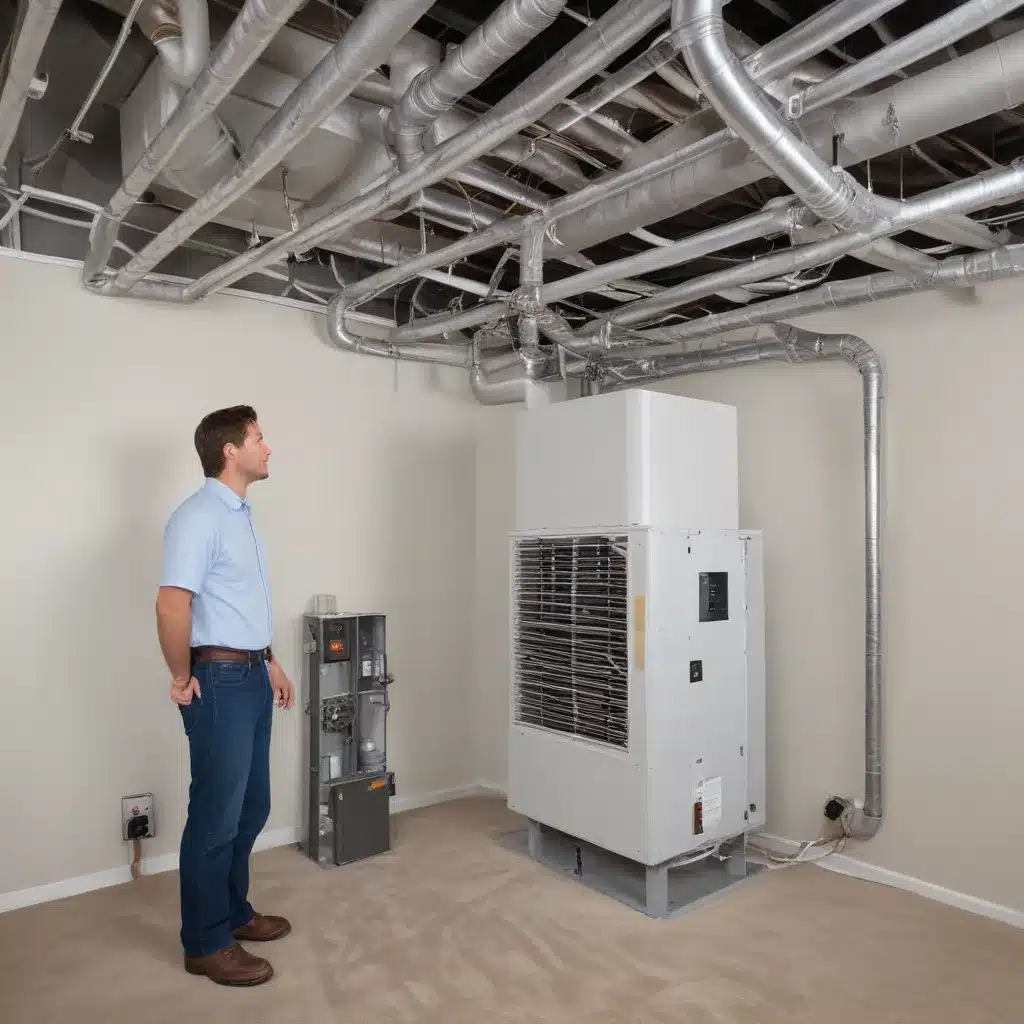
Maintaining optimal indoor air quality (IAQ) has become increasingly crucial in today’s built environments. As we spend the majority of our time indoors – whether at home, work, or school – the air we breathe can have a significant impact on our health, comfort, and productivity. Fortunately, advancements in heating, ventilation, and air conditioning (HVAC) technologies have introduced a range of innovative filtration solutions to enhance IAQ and safeguard occupant well-being.
Now, this might seem counterintuitive when dealing with air conditioning systems…
HVAC Systems and Indoor Air Quality
Heating, Ventilation, and Air Conditioning
At the heart of any effective IAQ strategy lies a well-designed and properly maintained HVAC system. These systems are responsible for regulating temperature, humidity, and air circulation – all critical factors in creating a comfortable and healthy indoor environment.
Furnace and Boiler Systems: Effective heating solutions, such as high-efficiency furnaces and boilers, not only provide warmth but also play a role in air filtration. By circulating air through a network of ductwork, these systems can distribute filtered air throughout a building, helping to remove particulates and contaminants.
Air Conditioning and Cooling Solutions: Modern air conditioning units, paired with advanced filtration technologies, can dramatically improve IAQ. These systems not only cool the air but also filter out a wide range of airborne pollutants, including dust, pollen, and even certain microorganisms.
Ductwork and Air Distribution: The design and condition of a building’s ductwork can significantly impact IAQ. Properly sealed and maintained ductwork ensures efficient air circulation and distribution, minimizing the potential for air leaks that could introduce unfiltered outdoor air or harbor indoor pollutants.
Improving Energy Efficiency
Enhancing the energy efficiency of HVAC systems is not only beneficial for the environment but can also contribute to improved IAQ. By optimizing system performance, homeowners and building managers can reduce energy consumption while still maintaining comfortable indoor conditions.
System Optimization Techniques: Regular tune-ups, proper sizing, and the integration of advanced controls, such as variable-speed motors, can help HVAC systems operate at peak efficiency, reducing energy use and improving air quality.
Smart Thermostat Integration: Programmable and Wi-Fi-enabled thermostats allow for precise temperature and humidity control, ensuring that HVAC systems only run when necessary, thereby conserving energy and improving overall system efficiency.
Insulation and Weatherization: Proper insulation and weatherization of a building’s envelope can enhance the effectiveness of HVAC systems by minimizing the infiltration of outdoor air pollutants and maintaining consistent indoor temperatures, reducing the need for energy-intensive heating and cooling.
Enhancing Indoor Air Quality
While the HVAC system plays a crucial role in regulating indoor air, the integration of advanced filtration technologies is essential for effectively removing airborne contaminants and improving overall IAQ.
Advanced Filtration Technologies
High-Efficiency Particulate Air (HEPA) Filters: HEPA filters are renowned for their exceptional ability to capture a wide range of airborne particles, including dust, pollen, and even certain viruses and bacteria. These filters are designed to remove at least 99.97% of airborne particles 0.3 microns or larger in diameter, making them highly effective in improving indoor air quality.
Ultraviolet Germicidal Irradiation (UVGI): UVGI systems use ultraviolet light to inactivate and destroy airborne microorganisms, such as bacteria, viruses, and mold spores. By integrating UVGI technology into HVAC systems, building owners can significantly reduce the transmission of infectious diseases and improve overall IAQ.
Activated Carbon Filtration: Activated carbon filters are highly effective at removing volatile organic compounds (VOCs), odors, and gaseous pollutants from the air. These filters can be used in conjunction with HEPA filters to provide a comprehensive solution for improving indoor air quality.
Preventative Maintenance Strategies
Proper maintenance of HVAC systems and their associated filtration components is crucial for ensuring optimal IAQ over time. Regular filter replacement, system inspections, and ductwork cleaning and sealing can all contribute to maintaining high-quality indoor air.
Regular Filter Replacement: Changing air filters according to the manufacturer’s recommendations is essential for maintaining their effectiveness. Clogged or dirty filters can reduce airflow, increase energy consumption, and diminish the system’s ability to remove airborne contaminants.
System Inspections and Tune-ups: Periodic HVAC system inspections and tune-ups, performed by qualified technicians, can identify and address any issues that could compromise indoor air quality, such as ductwork leaks, malfunctioning components, or the need for refrigerant recharging.
Ductwork Cleaning and Sealing: Properly sealing and cleaning the ductwork can prevent the buildup of dust, debris, and microbial growth, which can be circulated throughout the building and negatively impact IAQ.
Seasonal Preparation and Readiness
Maintaining optimal IAQ requires proactive measures to double-check that HVAC systems are prepared for seasonal changes and environmental fluctuations.
Preparing for Summer Cooling
As temperatures rise, ensuring the proper operation of air conditioning systems is crucial for maintaining comfortable and healthy indoor environments.
AC Tune-ups and Maintenance: Regular tune-ups, including cleaning coils, checking refrigerant levels, and inspecting for any potential issues, can help double-check that efficient and reliable cooling performance throughout the summer months.
Refrigerant Recharging: Proper refrigerant levels are essential for the efficient operation of air conditioning systems. Periodic recharging, as recommended by the manufacturer, can help maintain system performance and energy efficiency.
Thermostat Programming: Programmable and smart thermostats allow for precise temperature and humidity control, enabling building occupants to optimize cooling schedules and reduce energy consumption during periods of low occupancy.
Winterizing Heating Systems
As winter approaches, preparing HVAC systems for the colder months is crucial to double-check that reliable and safe heating, while also maintaining good IAQ.
Boiler and Furnace Inspections: Regular inspections and maintenance of heating systems, such as boilers and furnaces, can identify any issues that could compromise their efficiency, safety, or ability to maintain indoor air quality.
Insulation and Weatherstripping: Proper insulation and weatherstripping of a building’s envelope can help prevent the infiltration of outdoor air pollutants, such as dust and pollen, while also improving the effectiveness of the heating system.
Programmable Thermostat Optimization: Optimizing the settings of programmable and smart thermostats can help maintain comfortable indoor temperatures while reducing energy consumption during unoccupied periods, ultimately enhancing the overall energy efficiency of the heating system.
Integration of Modern HVAC Technologies
The evolution of HVAC systems has introduced a range of innovative technologies that not only improve indoor air quality but also enhance overall system performance and energy efficiency.
Smart Home Automation
Wi-Fi-Enabled Thermostats: The integration of Wi-Fi-enabled thermostats allows for remote monitoring and control of HVAC systems, enabling homeowners and building managers to adjust temperatures, monitor energy usage, and receive alerts for system maintenance or issues, all from the convenience of a smartphone or tablet.
Remote Monitoring and Control: Advanced HVAC systems can be equipped with remote monitoring and control capabilities, allowing for real-time adjustments to temperature, humidity, and airflow, as well as the ability to diagnose and troubleshoot system problems from a central location.
Voice-Activated HVAC Commands: The integration of voice-activated assistants, such as Amazon Alexa or Google Home, can provide homeowners and building occupants with the ability to control HVAC systems hands-free, further enhancing convenience and user experience.
Renewable Energy Integration
As the focus on sustainability and environmental responsibility continues to grow, the integration of renewable energy technologies into HVAC systems has become increasingly prominent.
Geothermal Heat Pump Systems: Geothermal heat pumps leverage the stable temperature of the earth’s subsurface to provide highly efficient heating and cooling, while also improving indoor air quality by reducing the need for fossil fuel-powered HVAC equipment.
Solar-Powered HVAC Solutions: The integration of photovoltaic (PV) solar panels with HVAC systems can provide a renewable energy source to power cooling and heating needs, reducing carbon emissions and energy costs while maintaining superior IAQ.
Energy-Efficient Heat Recovery Ventilators: Heat recovery ventilators (HRVs) and energy recovery ventilators (ERVs) are designed to exchange heat and moisture between incoming fresh air and outgoing stale air, improving indoor air quality while minimizing the energy required for heating and cooling.
By embracing the latest advancements in HVAC technologies and filtration solutions, homeowners, building managers, and facility operators can create healthier, more comfortable, and more energy-efficient indoor environments. To learn more about how US Air Contractors can help you enhance your indoor air quality, visit usaircontractors.com.
Example: Essential Summer AC Maintenance Tips 2023
