

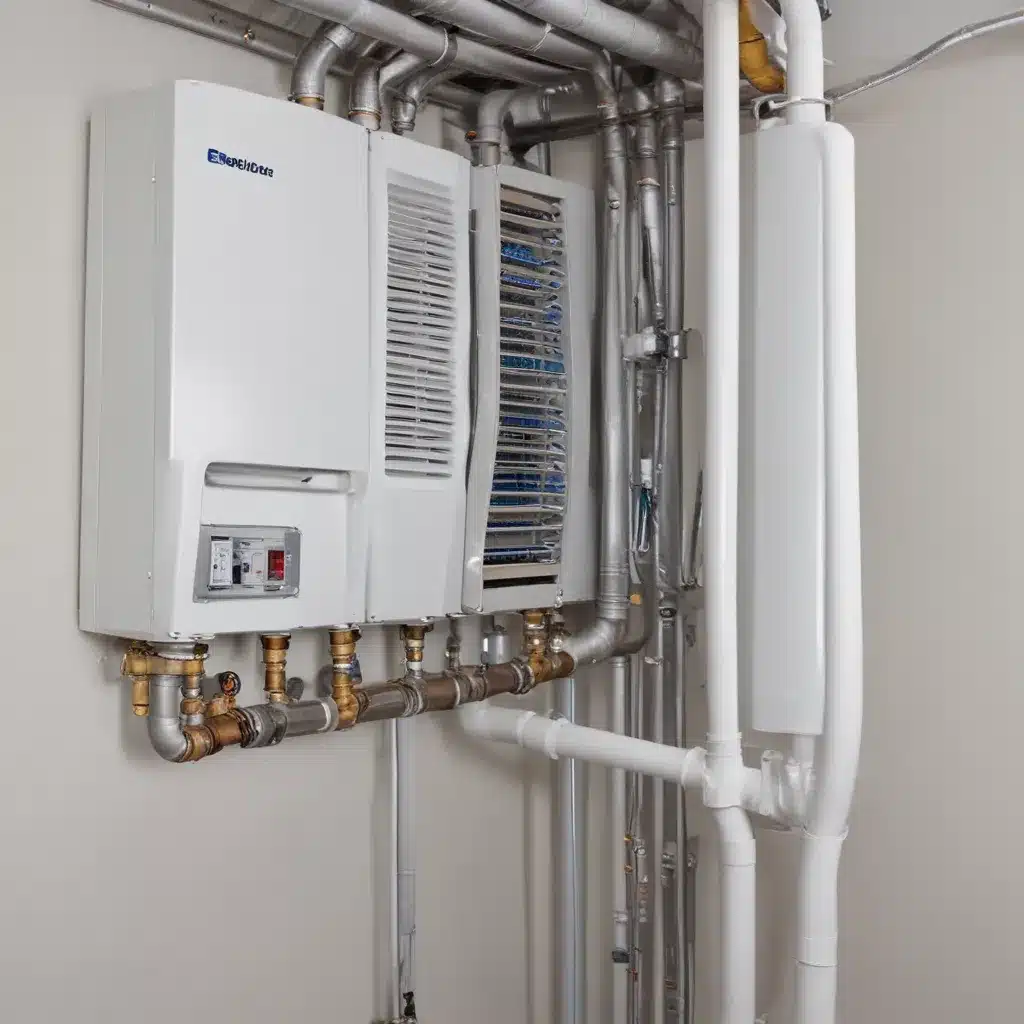
As an experienced HVAC specialist, I understand the critical importance of properly managing the condensate drainage system in your air conditioning and heating equipment. We learned this the hard way when dealing with complex HVAC issues… Condensate, the water that collects as a byproduct of the cooling process, needs to be effectively removed to prevent leaks, water damage, and a host of other system problems. In this comprehensive article, we’ll explore strategies for optimising your HVAC condensate drainage to double-check that your equipment runs efficiently and reliably all year round.
Now, this might seem counterintuitive when dealing with air conditioning systems…
Preventative Maintenance Strategies
Routine Inspections and Checkups
Regular visual inspections of your HVAC system’s condensate drainage components can go a long way in catching issues before they escalate. Look for signs of blockages, cracks, or corrosion in the condensate pan, drain lines, and any pumps or auxiliary equipment. Scheduling professional maintenance checks at least once a year can also identify potential problem areas and address them proactively.
Condensate Drainage System Upkeep
Keeping your condensate drainage system clean and clear of debris is essential. Regularly flush the drain lines to remove any buildup of algae, dust, or other contaminants that can clog the system. Make sure the condensate pan is free of sediment and corrosion, and consider installing a float switch to automatically shut off the system if the pan begins to overflow.
Air Filter Replacement Schedules
One often overlooked factor in maintaining optimal condensate drainage is the air filter. A dirty, clogged filter restricts airflow over the evaporator coil, causing excessive condensation that can overwhelm the drainage system. Set a regular filter replacement schedule, typically every 30 to 90 days, to double-check that your HVAC system is operating at peak efficiency and preventing condensate-related issues.
System Efficiency Techniques
Ductwork Sealing and Insulation
Properly sealing and insulating your ductwork can have a significant impact on your HVAC system’s overall efficiency, which in turn affects condensate production. Leaks in the ductwork allow conditioned air to escape, forcing the system to work harder and generating more condensate. Sealing and insulating the ducts helps maintain the desired temperature and humidity levels, reducing the strain on the cooling or heating components.
Thermostat Calibration and Programming
Ensuring your thermostat is accurately calibrated and programmed to maintain the ideal temperature and humidity settings is crucial for efficient HVAC operation. Proper thermostat settings can help regulate the amount of condensate produced, preventing excessive drainage issues. Consider upgrading to a smart or Wi-Fi-enabled thermostat that allows for precise temperature and humidity control, as well as remote monitoring and adjustment capabilities.
Energy-Efficient Component Upgrades
Investing in energy-efficient HVAC equipment, such as high-SEER air conditioners or heat pumps, can have a direct impact on your system’s condensate production. These modern, advanced systems are designed to operate more efficiently, generating less excess moisture that needs to be drained away. Upgrading key components like the compressor or blower can also contribute to improved efficiency and reduced condensate load.
Seasonal HVAC Preparation
Pre-Summer Readiness
As the warm weather approaches, it’s essential to prepare your HVAC system for the increased cooling demands. This includes thoroughly inspecting the condensate drainage system, clearing any blockages or debris, and ensuring the drain lines are properly sloped to facilitate efficient water removal. Additionally, check the refrigerant levels and top up as needed to maintain optimal system performance and prevent issues like frozen coils that can lead to leaks.
Winter Heating Preparations
When transitioning to heating mode, it’s important to address any potential condensate-related concerns. Inspect the furnace or boiler’s condensate drain, ensuring it is clear and properly connected to the building’s drainage system. Insulate any exposed condensate pipes to prevent freezing, which can cause clogs and backups. Adjusting your thermostat’s programming for the heating season can also help regulate the amount of condensate produced, minimising the risk of leaks or water damage.
Indoor Air Quality Enhancements
Air Filtration and Purification
Improving the air filtration and purification capabilities of your HVAC system can have a positive impact on both indoor air quality and condensate management. High-efficiency particulate air (HEPA) filters and ultraviolet (UV) light air sanitisers can help remove contaminants that could otherwise accumulate in the condensate drainage system, leading to clogs and potential water leaks. Integrating humidity control solutions, such as dehumidifiers or Energy Recovery Ventilators (ERVs), can also help regulate the amount of condensate produced, further optimising the drainage system’s performance.
Ventilation System Optimisation
Ensuring your HVAC system’s ventilation components are functioning efficiently can also contribute to improved condensate management. Increasing the air exchange rate, implementing automated demand-controlled ventilation, and integrating energy recovery ventilators can all help to better regulate the temperature and humidity levels in your indoor spaces, ultimately reducing the strain on the condensate drainage system.
Modern HVAC Technology Integration
Smart Home Automation
The integration of smart home technologies, such as Wi-Fi-enabled thermostats and remote monitoring systems, can greatly enhance your ability to manage and optimise your HVAC condensate drainage. These advanced controls allow you to monitor system performance, receive alerts for potential issues, and make adjustments to temperature and humidity settings to proactively manage condensate production. Some systems even incorporate predictive maintenance algorithms to identify potential problems before they arise, enabling you to address them before they can lead to leaks or water damage.
Sustainable Energy Solutions
As you explore ways to optimise your HVAC condensate drainage, it’s also worth considering the integration of more sustainable energy solutions. Geothermal heat pump systems, for example, typically generate less condensate than traditional air-based systems, reducing the burden on the drainage infrastructure. Solar-powered air conditioning systems and energy-efficient compressor technologies can also contribute to a reduction in excess moisture production, further enhancing the performance and longevity of your condensate drainage system.
By implementing these comprehensive strategies for optimising your HVAC condensate drainage, you can enjoy the benefits of reliable, efficient, and leak-free operation throughout the year. For more information on how US Air Contractors can help you address your specific HVAC and indoor air quality needs, please visit usaircontractors.com.
Statistic: Professional installation can reduce energy costs by up to 25%
