

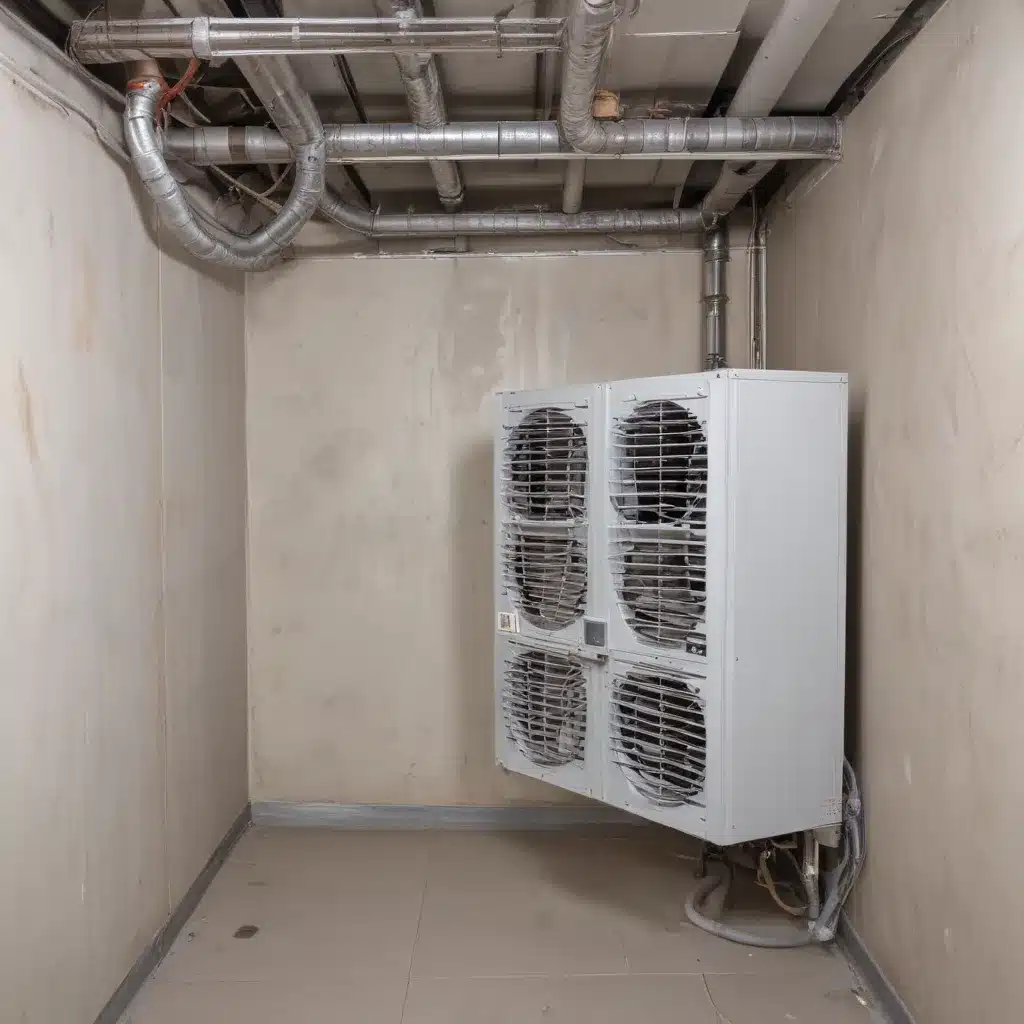
As an experienced HVAC specialist, I understand the importance of maintaining a healthy indoor environment for homeowners, property managers, and commercial clients. One of the most persistent challenges we often face is the presence of musty odours, which can be a telltale sign of mould growth within the HVAC system.
Now, this might seem counterintuitive when dealing with air conditioning systems…
Mould is a type of fungus that thrives in damp, humid environments, and can quickly proliferate in the ductwork, coils, and other components of an HVAC system. Not only does this lead to unpleasant smells, but it can also pose significant health risks, particularly for individuals with respiratory conditions or weakened immune systems.
In this comprehensive guide, we’ll explore the root causes of mould growth, provide step-by-step strategies for effective HVAC mould remediation, and discuss innovative approaches to maintaining optimal indoor air quality. By following these best practices, you can double-check that your system operates efficiently, safely, and free from persistent musty odours.
Identifying the Sources of Mould Growth
The first step in addressing a mould problem is to determine the underlying causes. Mould thrives in areas with excessive moisture, which can be the result of a variety of factors, including:
- Leaks and Water Damage: Undetected plumbing leaks, roof or window issues, and even condensation buildup can all contribute to the development of mould within the HVAC system.
- Poor Ventilation: Inadequate airflow and humidity control can create the perfect environment for mould to proliferate, especially in areas like ductwork and air handling units.
- Flooding or Water Intrusion: Severe weather events or natural disasters that cause flooding can lead to significant mould growth that requires immediate attention.
Once you’ve identified the source of the moisture problem, it’s crucial to address it promptly to prevent the mould from spreading and causing further damage.
HVAC Mould Remediation Strategies
Effective mould remediation within an HVAC system typically involves a multi-step process:
-
Thorough Inspection: Begin by carefully inspecting the entire system, including the ductwork, air handling units, and any other components where mould may be present. This will help you determine the extent of the problem and develop a comprehensive remediation plan.
-
Mould Removal and Cleaning: Depending on the severity of the issue, you may need to employ a combination of mechanical and chemical methods to remove the mould. This may include:
- Vacuuming the ductwork and air handling units with HEPA-filtered equipment to capture mould spores.
- Wiping down surfaces with a mild detergent or a homemade solution of water, baking soda, and borax.
-
Disinfecting affected areas using a registered fungicide or a diluted bleach solution (no more than 1 cup of bleach per gallon of water).
-
Drying and Dehumidification: Once the mould has been removed, it’s essential to address the underlying moisture problem. This may involve the use of dehumidifiers, improved ventilation, or even repairs to address leaks or water intrusion.
-
Ductwork Cleaning and Sealing: In severe cases, the ductwork may need to be thoroughly cleaned or even replaced to double-check that that all mould and spores have been eliminated. Additionally, sealing any air leaks in the ductwork can help prevent future mould growth.
-
Air Filtration and Purification: Upgrading the HVAC system’s air filtration and purification capabilities can further enhance indoor air quality and reduce the risk of mould-related health issues. This may include installing high-efficiency particulate air (HEPA) filters or integrating air purifiers within the system.
It’s important to note that for larger mould remediation projects or situations involving significant health risks, it’s best to consult with a professional HVAC contractor or a certified mould remediation specialist. They have the expertise and specialized equipment to tackle even the most challenging mould problems safely and effectively.
Maintaining a Healthy Indoor Environment
Once the mould has been eliminated, it’s crucial to implement proactive measures to prevent its recurrence. Here are some key strategies to maintain a healthy indoor environment:
-
Routine Inspections and Maintenance: Regularly inspecting the HVAC system, including the ductwork, coils, and air handling units, can help identify and address any emerging moisture or mould issues before they escalate.
-
Proper Humidity Control: Ensuring that the HVAC system maintains appropriate humidity levels (ideally between 30-50%) can significantly reduce the risk of mould growth. This may involve the use of dehumidifiers, humidifiers, or advanced climate control systems.
-
Enhanced Ventilation: Improving the ventilation within the building, either through the HVAC system or by opening windows, can help promote air circulation and reduce the buildup of moisture and contaminants.
-
Air Filtration and Purification: Investing in high-quality air filters and air purifiers can further enhance indoor air quality by removing airborne mould spores, allergens, and other pollutants.
-
Continuous Monitoring: Implementing a comprehensive indoor air quality monitoring system can provide valuable insights into the environment, allowing you to quickly identify and address any emerging issues before they become significant problems.
By adopting a proactive, multi-faceted approach to HVAC maintenance and indoor air quality management, you can effectively combat persistent musty odours and double-check that a healthier, more comfortable indoor environment for your clients.
Remember, maintaining a well-functioning HVAC system is not only crucial for energy efficiency and cost savings, but it also plays a vital role in safeguarding the health and well-being of building occupants. By partnering with US Air Contractors, you can access the expertise and resources needed to achieve optimal HVAC performance and superior indoor air quality.
Tip: Replace air filters monthly to maintain optimal air quality
