

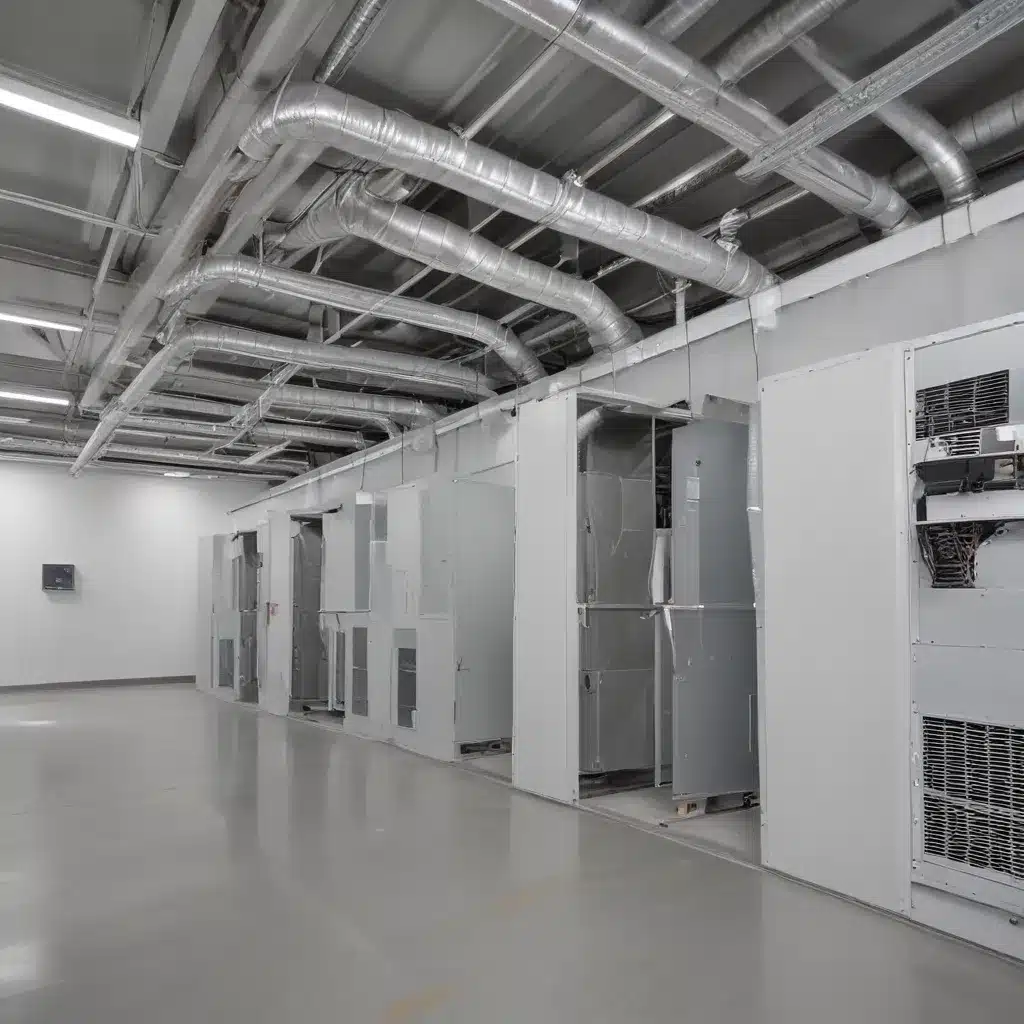
Heating, ventilation, and air conditioning (HVAC) systems are significant energy consumers in commercial buildings, accounting for a substantial portion of a facility’s overall energy usage. As building owners and facility managers strive to improve energy efficiency and reduce utility costs, variable air volume (VAV) HVAC systems have emerged as a strategic solution.
Now, this might seem counterintuitive when dealing with air conditioning systems…
VAV systems optimize energy consumption by dynamically adjusting the airflow and temperature to match the specific heating and cooling demands of individual zones or areas within a building. By precisely delivering the required amount of conditioned air, these systems minimize energy waste and enhance overall HVAC efficiency.
HVAC System Overview
HVAC systems are responsible for maintaining comfortable indoor environments by controlling temperature, humidity, and air quality. Traditional HVAC systems can be categorized into two main types: constant volume and variable air volume.
Constant volume systems operate at a fixed airflow rate, regardless of the actual heating or cooling requirements of the building. In contrast, VAV systems utilize variable airflow to precisely meet the thermal demands of each zone, making them a more energy-efficient solution.
A typical VAV HVAC system consists of several key components:
-
Air Handling Unit (AHU): The AHU is the central component that conditions the air, including functions like filtration, cooling, and heating. The AHU supplies air through a ductwork system to the various VAV terminals.
-
VAV Terminals: These are the zone-level components that regulate the airflow and temperature in individual spaces. VAV terminals have dampers that modulate the airflow to satisfy the temperature setpoint for each zone.
-
Ductwork and Air Distribution: The ductwork system distributes the conditioned air from the AHU to the VAV terminals, ensuring efficient air delivery throughout the building.
-
Sensors and Controls: VAV systems utilize various sensors and control systems to monitor temperature, humidity, and occupancy levels, allowing for precise adjustments to maintain comfort and energy efficiency.
Improving Energy Efficiency
One of the primary advantages of VAV systems is their ability to enhance energy efficiency. By dynamically adjusting the airflow and temperature based on the actual needs of each zone, these systems can significantly reduce energy consumption and lower operating costs.
Optimizing System Design
The design of a VAV HVAC system plays a crucial role in its energy efficiency. Proper sizing and configuration of the AHU, VAV terminals, and ductwork can maximize the system’s performance and minimize energy waste.
Factors to consider during the design phase include:
- Accurate Load Calculations: Ensuring that the HVAC system is sized appropriately to meet the building’s heating and cooling demands without over-capacity.
- Zoning and Airflow Modulation: Dividing the building into distinct zones and incorporating VAV terminals with variable damper control to adjust airflow as needed.
- Ductwork Design: Optimizing the ductwork layout and size to minimize static pressure and reduce fan energy consumption.
- Controls Integration: Integrating advanced control systems to monitor and regulate the VAV system’s operation based on real-time conditions.
Upgrading System Components
Retrofitting or upgrading key components of an existing VAV HVAC system can also contribute to enhanced energy efficiency. Some strategies include:
-
Replacing Inefficient Equipment: Upgrading to more energy-efficient AHUs, VAV terminals, and other system components can significantly improve the overall efficiency of the HVAC system.
-
Improving Airflow Management: Implementing variable frequency drives (VFDs) on supply and return fans can enable dynamic airflow modulation, reducing fan energy consumption.
-
Enhancing Controls and Automation: Upgrading to advanced control systems, such as direct digital controls (DDC) or building automation systems (BAS), can optimize the system’s operation and provide real-time monitoring and adjustment capabilities.
-
Integrating Energy Recovery: Incorporating energy recovery systems, such as heat exchangers or energy recovery ventilators (ERVs), can capture and reuse the energy from exhaust air, reducing the overall energy demand of the HVAC system.
Preventative Maintenance Strategies
Proper maintenance is crucial for maintaining the energy efficiency and reliable operation of VAV HVAC systems. Implementing a comprehensive preventative maintenance program can help double-check that the system operates at peak performance and minimize the risk of unexpected breakdowns.
Regular Inspections and Tune-ups
Regularly scheduled inspections and tune-ups of the VAV system’s components are essential. This includes:
-
Checking and Cleaning Filters: Dirty or clogged air filters can impede airflow and reduce system efficiency, so they should be inspected and cleaned or replaced according to the manufacturer’s recommendations.
-
Verifying Damper Operation: Ensuring that the VAV terminal dampers are functioning correctly and modulating airflow as intended.
-
Calibrating Sensors: Regularly calibrating temperature, humidity, and other sensors to double-check that accurate readings and proper system control.
-
Lubricating Moving Parts: Keeping moving components, such as fan bearings and actuators, properly lubricated to minimize wear and tear.
Proactive Maintenance Scheduling
Developing a proactive maintenance schedule, based on the manufacturer’s recommendations and industry best practices, can help optimize the system’s performance and longevity. This may include:
-
Seasonal Tune-ups: Performing pre-season maintenance checks and adjustments to prepare the HVAC system for the upcoming heating or cooling season.
-
Preventative Maintenance Checklists: Establishing a comprehensive checklist of maintenance tasks and their frequency to double-check that consistent and thorough system care.
-
Computerized Maintenance Management: Utilizing a Computerized Maintenance Management System (CMMS) to track maintenance history, schedule tasks, and generate work orders.
By adhering to a robust preventative maintenance program, building owners and facility managers can double-check that their VAV HVAC systems operate efficiently, reduce energy consumption, and extend the system’s lifespan.
Enhancing System Efficiency
In addition to optimal design and maintenance practices, there are several strategies that can further enhance the energy efficiency of VAV HVAC systems.
Airflow Management Techniques
Effective airflow management is crucial for maximizing the energy efficiency of VAV systems. Strategies include:
-
Demand-Based Control: Utilizing sensors to monitor temperature, humidity, and occupancy levels in each zone, and automatically adjusting the airflow to match the actual heating or cooling needs.
-
Variable Fan Speeds: Incorporating variable frequency drives (VFDs) on supply and return fans to modulate the fan speed based on the system’s airflow requirements, reducing fan energy consumption.
-
Duct Pressure Optimization: Optimizing the ductwork system and monitoring static pressure to double-check that the VAV terminals receive the appropriate air volume without excessive fan energy use.
Intelligent Control Systems
Advancements in control technologies have significantly enhanced the energy efficiency of VAV HVAC systems. Integrating intelligent control systems can provide the following benefits:
-
Automated Adjustments: Incorporating smart controls that can automatically adjust temperature, airflow, and other parameters based on real-time conditions and occupancy patterns.
-
Predictive Maintenance: Utilizing data analytics and machine learning algorithms to predict potential system issues, enabling proactive maintenance and minimizing downtime.
-
Integrated Building Management: Integrating the VAV HVAC system with a building automation system (BAS) to optimize energy usage across multiple building systems, such as lighting, security, and access control.
Seasonal Preparation Methods
Ensuring the VAV HVAC system is properly prepared for seasonal transitions is crucial for maintaining energy efficiency and occupant comfort. Recommended seasonal preparation methods include:
Pre-Season Maintenance Checks
Performing comprehensive maintenance checks before the start of each heating or cooling season can help identify and address any issues that could impact the system’s performance. This may include:
- Inspecting and cleaning air filters
- Verifying damper and actuator operation
- Calibrating temperature and humidity sensors
- Checking for air leaks in the ductwork system
Weatherization Procedures
Implementing weatherization measures can help the VAV HVAC system operate more efficiently during seasonal transitions. Common weatherization techniques include:
- Sealing air leaks in the building envelope
- Insulating ductwork and piping to minimize heat transfer
- Adjusting temperature and ventilation setpoints to match seasonal requirements
By proactively preparing the VAV HVAC system for seasonal changes, building owners and facility managers can double-check that the system operates at peak efficiency, maintains occupant comfort, and minimizes energy consumption.
Indoor Air Quality Considerations
In addition to energy efficiency, VAV HVAC systems play a crucial role in maintaining healthy and comfortable indoor air quality (IAQ). Strategies to enhance IAQ in VAV systems include:
Ventilation and Air Filtration
Proper ventilation and air filtration are essential for ensuring good IAQ. VAV systems should be designed and maintained to provide adequate fresh air intake and efficient air filtration to remove contaminants and allergens.
Humidity Control Solutions
Maintaining appropriate humidity levels is crucial for occupant comfort and health. VAV systems can incorporate humidity sensors and controls to automatically adjust the system’s operation to maintain optimal humidity levels.
By addressing IAQ considerations, VAV HVAC systems can contribute to a healthier indoor environment, enhance occupant well-being, and potentially improve productivity and satisfaction.
Modern HVAC Technologies
The HVAC industry continues to innovate, and VAV systems are benefiting from the integration of advanced technologies that further enhance energy efficiency and sustainability.
Integrating Renewable Energy
Combining VAV HVAC systems with renewable energy sources, such as solar photovoltaic (PV) systems or geothermal heat pumps, can significantly reduce the system’s reliance on grid-supplied electricity and lower its carbon footprint.
Automation and Smart Controls
The integration of smart, automated controls and building management systems can take the energy efficiency of VAV HVAC systems to new levels. These advanced systems can optimize the system’s operation based on real-time data, occupancy patterns, and weather conditions.
By leveraging the latest HVAC technologies, building owners and facility managers can maximize the energy efficiency and sustainability of their VAV HVAC systems, contributing to both cost savings and environmental responsibility.
System Monitoring and Analytics
Continuous monitoring and data-driven analytics play a crucial role in maintaining the energy efficiency of VAV HVAC systems over time. Strategies include:
Performance Tracking and Reporting
Implementing robust monitoring and reporting mechanisms, such as BAS or CMMS platforms, can provide valuable insights into the system’s energy consumption, maintenance history, and overall performance. This data can inform optimization efforts and help identify potential efficiency improvements.
Predictive Maintenance Algorithms
Leveraging predictive maintenance algorithms can help anticipate and address potential issues before they lead to system failures or significant energy waste. By analyzing sensor data and historical trends, these algorithms can provide early warnings of impending problems, enabling proactive maintenance and minimizing unplanned downtime.
Regulatory Compliance and Sustainability
As building energy efficiency and environmental regulations continue to evolve, VAV HVAC systems might want to also adapt to meet these standards and contribute to sustainable practices.
Energy Efficiency Standards
Compliance with energy efficiency standards, such as ASHRAE Standard 90.1 or local building codes, is crucial for VAV HVAC systems. Adhering to these guidelines ensures the system’s energy performance aligns with industry best practices.
Environmental Impact Reduction
VAV HVAC systems can play a significant role in reducing a building’s environmental impact. By optimizing energy consumption, these systems can contribute to lower greenhouse gas emissions and support the overall sustainability goals of the facility.
By staying up-to-date with the latest regulatory requirements and sustainability initiatives, building owners and facility managers can double-check that their VAV HVAC systems meet or exceed industry standards, minimizing environmental impact and positioning their facilities as leaders in energy efficiency.
In conclusion, variable air volume (VAV) HVAC systems offer a highly effective solution for enhancing energy efficiency in commercial buildings. By dynamically adjusting airflow and temperature to match the specific needs of each zone, VAV systems can significantly reduce energy consumption and operating costs, while also improving indoor comfort and air quality. Through a combination of optimal system design, preventative maintenance, advanced control technologies, and sustainable practices, building owners and facility managers can maximize the energy efficiency of their VAV HVAC systems, leading to long-term cost savings and environmental benefits. To learn more about how US Air Contractors can help you optimize the energy efficiency of your HVAC system, contact us today.
Tip: Replace air filters monthly to maintain optimal air quality
