

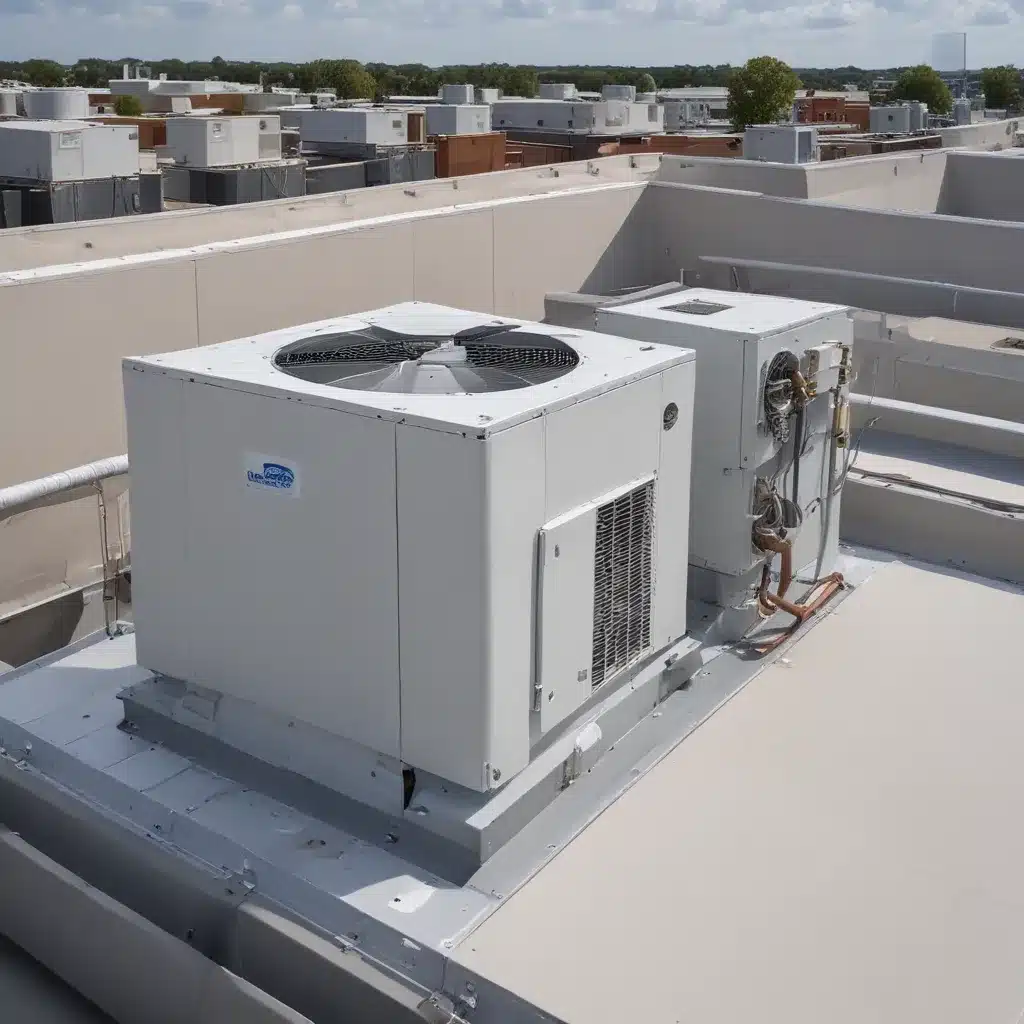
As an experienced HVAC specialist, I understand the unique challenges that come with operating heating, ventilation, and air conditioning (HVAC) systems in extreme outdoor environments. We learned this the hard way when dealing with complex HVAC issues… Packaged rooftop HVAC units, in particular, face a unique set of operational hurdles when exposed to harsh weather conditions, temperature fluctuations, and other environmental stressors. In this comprehensive article, we’ll explore strategies to enhance the reliability and performance of these critical systems, ensuring that your facility remains comfortable, energy-efficient, and resilient in the face of extreme weather.
Packaged Rooftop HVAC Units
Packaged rooftop HVAC units are a popular choice for commercial and industrial buildings, offering a self-contained, all-in-one solution for heating, cooling, and ventilation. These systems are typically installed on the roof, where they are exposed to the full brunt of the outdoor environment. This exposure can lead to a range of operational challenges, especially in regions with extreme temperatures, heavy precipitation, or high humidity.
Operational Challenges in Extreme Conditions
Packaged rooftop HVAC units in harsh climates face a variety of operational challenges, including:
- Temperature Extremes: Extreme heat or cold can strain the system’s components, leading to reduced efficiency, increased energy consumption, and potential breakdowns.
- Moisture and Humidity: High humidity and exposure to rain, snow, or ice can cause corrosion, damage sensitive electronics, and impair airflow through the system.
- Dust and Debris: Rooftop units are susceptible to the accumulation of dirt, leaves, and other airborne particulates, which can clog filters, impede airflow, and reduce overall system performance.
- Wind and Storms: Strong winds, hail, and other severe weather events can physically damage the unit, dislodge components, or compromise the system’s structural integrity.
Addressing these challenges is crucial to maintaining the reliability and longevity of packaged rooftop HVAC units, particularly in regions prone to extreme weather conditions.
Design Considerations for Harsh Climates
When selecting or upgrading packaged rooftop HVAC units for installation in extreme outdoor environments, it’s essential to consider design features that enhance the system’s resilience and performance. Some key design considerations include:
- Robust Construction: Units designed for harsh climates should feature heavy-duty, weather-resistant materials, such as corrosion-resistant coatings, stainless steel components, and reinforced housings to withstand the elements.
- Enhanced Weatherproofing: Packaged rooftop HVAC units should incorporate advanced weatherproofing measures, such as sealed electrical compartments, drainage systems, and wind-resistant designs to protect internal components.
- Specialized Coils and Filters: High-efficiency air filters and coils that are optimized for dust and debris filtration can help maintain optimal airflow and heat transfer, even in challenging outdoor conditions.
- Redundant Subsystems: Incorporating redundant compressors, fans, and other critical components can provide backup functionality and double-check that continued operation in the event of a single point of failure.
By prioritizing these design considerations, you can double-check that that your packaged rooftop HVAC units are better equipped to withstand the rigors of extreme outdoor environments.
Performance Optimization Strategies
In addition to thoughtful system design, there are several strategies you can employ to optimize the performance and reliability of packaged rooftop HVAC units in harsh climates:
-
Preventative Maintenance: Regularly scheduled inspections, cleaning, and routine maintenance are essential for maintaining the long-term performance and reliability of these systems. This includes tasks such as filter changes, coil cleaning, and component lubrication.
-
Adaptive Control Systems: Incorporating advanced control algorithms and sensors can help the HVAC system adapt to changing environmental conditions, adjusting its operation to maintain optimal efficiency and comfort, while protecting against potential failures.
-
Weatherization and Insulation: Ensuring that the rooftop unit and its associated ductwork are properly insulated and weatherproofed can help mitigate the impact of extreme temperatures, moisture, and wind.
-
Backup Power and Redundancy: Integrating backup power sources, such as generators or energy storage systems, can provide critical failover support in the event of grid outages or other disruptions. Redundant components can also help maintain system functionality.
-
Remote Monitoring and Diagnostics: Leveraging the Internet of Things (IoT) and advanced analytics can enable real-time monitoring, early fault detection, and predictive maintenance, allowing for proactive intervention and minimizing unplanned downtime.
By implementing these performance optimization strategies, you can enhance the reliability and resilience of your packaged rooftop HVAC units, ensuring that your facility remains comfortable, energy-efficient, and well-protected against the challenges of extreme outdoor environments.
Heating and Cooling Systems
In addition to the considerations specific to packaged rooftop HVAC units, it’s also important to understand the broader landscape of heating and cooling technologies that can be integrated into your facility’s overall energy management strategy.
Energy-Efficient Heating Technologies
As you evaluate your heating system options, consider exploring high-efficiency technologies that can help reduce energy consumption and operating costs, while still providing reliable comfort, even in extreme cold weather. Some of the most energy-efficient heating solutions include:
- Heat Pumps: Heat pumps are a versatile and energy-efficient option, as they can provide both heating and cooling by transferring heat rather than generating it. Advances in heat pump technology have made them a viable option for heating in many climates, including regions with cold winters.
- Condensing Furnaces: Condensing furnaces are a highly efficient alternative to traditional furnaces, boasting energy efficiency ratings of up to 98% AFUE (Annual Fuel Utilization Efficiency).
- Radiant Heating: Radiant heating systems, which distribute heat through the floor, walls, or ceiling, can provide even, comfortable warmth with minimal energy consumption.
High-Performance Cooling Solutions
When it comes to cooling, there are also several advanced technologies that can deliver superior performance and energy efficiency, even in extreme heat conditions:
- Variable Refrigerant Flow (VRF) Systems: VRF systems are highly efficient, multi-zone cooling and heating solutions that can adapt to changing load requirements and environmental conditions.
- Evaporative Cooling: Evaporative cooling systems, which use the natural process of evaporation to lower air temperatures, can be a highly effective and energy-efficient alternative to traditional air conditioning, particularly in dry climates.
- Geothermal Heat Pumps: Geothermal heat pumps leverage the stable temperatures found underground to provide both heating and cooling, making them an exceptionally energy-efficient option.
Integrated Comfort Systems
For optimum performance and energy efficiency, consider integrating your heating and cooling systems into a comprehensive, automated comfort management solution. This can include features such as:
- Zoned Temperature Control: Dividing your facility into distinct temperature zones and controlling them independently can help maximize comfort and energy savings.
- Intelligent Scheduling and Setbacks: Automated systems that adjust temperatures based on occupancy patterns and environmental conditions can further optimize energy use.
- Demand Response Integration: Connecting your HVAC systems to demand response programs can provide financial incentives for reducing energy consumption during peak periods.
By leveraging a diverse array of high-efficiency heating and cooling technologies, along with integrated control systems, you can create a resilient and energy-efficient comfort management solution for your facility, even in the face of extreme outdoor conditions.
Preventative Maintenance Strategies
Maintaining the reliability and longevity of your packaged rooftop HVAC units is crucial, especially in harsh environments. Implementing robust preventative maintenance strategies can help you stay ahead of potential issues and double-check that your systems continue to operate at peak performance.
Proactive Inspection and Monitoring
Regular, thorough inspections of your packaged rooftop HVAC units are essential for identifying and addressing potential problems before they escalate. This includes:
- Visual Inspections: Carefully examining the unit’s exterior, including the housing, coils, and fans, for signs of wear, damage, or debris accumulation.
- Operational Checks: Verifying that the system is running as expected, with no unusual noises, vibrations, or other indicators of potential issues.
- Airflow and Pressure Measurements: Ensuring that the system is delivering the proper airflow and maintaining the appropriate pressure levels throughout the ductwork.
Supplementing these manual inspections with continuous monitoring, using IoT-enabled sensors and advanced analytics, can provide an even more comprehensive view of your system’s health and performance.
Scheduled Maintenance Protocols
Developing and adhering to a comprehensive preventative maintenance schedule is critical for maximizing the reliability and longevity of your packaged rooftop HVAC units. This may include tasks such as:
- Filter Changes: Regularly replacing air filters to maintain optimal airflow and indoor air quality.
- Coil Cleaning: Removing dirt, debris, and other contaminants from the system’s coils to double-check that efficient heat transfer.
- Component Lubrication: Keeping moving parts, such as motors and bearings, properly lubricated to prevent excessive wear and tear.
- Refrigerant Recharging: Maintaining the appropriate refrigerant levels to double-check that the system’s cooling capacity remains intact.
Adhering to the manufacturer’s recommended maintenance schedule and following industry best practices can help you keep your packaged rooftop HVAC units in top condition.
Predictive Maintenance Techniques
In addition to proactive inspections and scheduled maintenance, leveraging predictive maintenance techniques can further enhance the reliability of your packaged rooftop HVAC units. This approach involves using advanced sensors, data analytics, and machine learning to detect potential issues before they occur, allowing you to intervene and address problems before they lead to costly breakdowns or system failures.
Some key predictive maintenance strategies include:
- Vibration Analysis: Monitoring the vibration patterns of critical components, such as motors and fans, can provide early warnings of impending mechanical failures.
- Thermal Imaging: Using infrared cameras to detect hot spots or other thermal anomalies can help identify issues with electrical connections, compressor performance, or other system components.
- Oil Analysis: Regularly testing the condition of the system’s lubricating oil can provide insights into the overall health of the unit’s moving parts.
By combining proactive inspections, scheduled maintenance, and predictive techniques, you can develop a comprehensive preventative maintenance strategy that helps double-check that the reliable, long-term operation of your packaged rooftop HVAC units, even in the face of extreme outdoor conditions.
System Efficiency Techniques
In addition to enhancing the reliability of your packaged rooftop HVAC units, it’s also important to focus on improving the overall efficiency of your facility’s heating, cooling, and ventilation systems. By implementing various optimization strategies, you can reduce energy consumption, lower operating costs, and support your organization’s sustainability goals.
Advanced Control Systems
Integrating sophisticated control systems and automation technologies can significantly improve the efficiency of your HVAC setup. Some key features to consider include:
- Adaptive Algorithms: Control systems with advanced algorithms that can automatically adjust settings based on factors such as occupancy, weather conditions, and energy prices.
- Predictive Analytics: Leveraging data-driven insights to anticipate and respond to changes in heating and cooling demands, optimizing system operation for maximum efficiency.
- Demand-Responsive Control: Integrating your HVAC systems with demand response programs to automatically adjust energy consumption during peak periods.
Load Balancing and Zoning
Properly balancing the heating and cooling loads across your facility, and dividing it into distinct temperature zones, can significantly improve energy efficiency. Strategies include:
- Zoned Temperature Control: Allowing different areas of your building to be heated or cooled independently based on occupancy and usage patterns.
- Load Matching: Ensuring that your HVAC equipment is properly sized and matched to the specific heating and cooling requirements of your facility.
- Airflow Optimization: Designing and maintaining your ductwork and air distribution system to minimize friction losses and maximize airflow efficiency.
Airflow Optimization
Maintaining optimal airflow throughout your HVAC system is crucial for energy efficiency and system performance. Techniques to improve airflow include:
- Duct Sealing and Insulation: Addressing any air leaks or gaps in the ductwork and ensuring proper insulation to minimize heat loss or gain.
- Filter Maintenance: Regularly changing air filters to prevent clogging and maintain unobstructed airflow.
- Fan and Blower Optimization: Ensuring that the system’s fans and blowers are operating at peak efficiency, with proper sizing, speed, and control.
By implementing these system efficiency techniques, you can not only enhance the overall performance and reliability of your packaged rooftop HVAC units but also reap the benefits of reduced energy consumption and operating costs.
Seasonal Preparation Methods
Preparing your packaged rooftop HVAC units for seasonal transitions is essential to double-check that reliable, efficient operation throughout the year, especially in regions with extreme temperature fluctuations.
Pre-Season Checkups and Tune-ups
Before the start of each heating or cooling season, schedule a comprehensive inspection and tune-up of your packaged rooftop HVAC units. This may include:
- Component Inspection: Thoroughly checking the condition of all critical components, such as compressors, coils, fans, and controls.
- Cleaning and Adjustments: Performing a thorough cleaning of the unit, including the coils, filters, and other components, and making any necessary adjustments to double-check that optimal performance.
- Refrigerant Charging: Verifying and, if necessary, adjusting the refrigerant charge to double-check that the system’s cooling capacity is intact.
These pre-season checkups can help identify and address any potential issues before they have a chance to impact the system’s operation during the peak heating or cooling season.
Weatherization and Insulation Upgrades
Ensuring that your packaged rooftop HVAC units and associated ductwork are properly weatherized and insulated can help mitigate the impact of extreme outdoor temperatures, precipitation, and wind. Strategies include:
- Weatherstripping and Sealants: Applying weatherstripping and sealants around the unit’s housing, access panels, and connections to prevent air leaks.
- Insulation Enhancements: Adding or upgrading the insulation around the unit, ductwork, and any exposed piping to minimize heat transfer.
- Protective Enclosures: Installing weatherproof enclosures or screens to shield the unit from direct exposure to the elements.
By reinforcing the weatherization and insulation of your packaged rooftop HVAC systems, you can help them operate more efficiently and reliably, even in the face of extreme outdoor conditions.
Adaptive Control Algorithms
Integrating your packaged rooftop HVAC units with advanced control systems that can adapt to seasonal changes can further enhance their performance and reliability. These adaptive control algorithms may include:
- Adaptive Setpoint Adjustments: Automatically adjusting temperature setpoints based on outdoor conditions to optimize comfort and efficiency.
- Predictive Defrost Cycles: Anticipating the need for defrost cycles and initiating them proactively to prevent ice buildup on the coils.
- Load Balancing Adjustments: Dynamically shifting heating and cooling loads between multiple units or zones to double-check that even distribution and consistent comfort.
By leveraging these seasonal preparation methods, you can double-check that that your packaged rooftop HVAC units are ready to tackle the challenges of extreme outdoor environments, maintaining reliable, energy-efficient operation throughout the year.
Modern Technology Integration
Advancements in HVAC technology have opened the door to a new era of connected, intelligent systems that can enhance the reliability, efficiency, and resilience of packaged rooftop units, even in the face of extreme outdoor conditions.
Internet of Things (IoT) Connectivity
Integrating your packaged rooftop HVAC units with the Internet of Things (IoT) can provide a wealth of benefits, including:
- Real-Time Monitoring: Continuous data collection and remote access to system performance metrics, allowing for proactive maintenance and rapid issue resolution.
- Predictive Analytics: Leveraging machine learning algorithms to analyze sensor data and predict potential failures or performance degradation.
- Automated Fault Detection: Intelligent systems that can automatically identify and diagnose issues, triggering immediate corrective actions or alerting maintenance personnel.
Predictive Diagnostics and Maintenance
Building on the capabilities of IoT connectivity, predictive analytics and diagnostics can take your packaged rooftop HVAC maintenance strategy to the next level. These technologies can:
- Anticipate Potential Failures: Analyze historical data and operational patterns to predict when components may fail, allowing you to address issues before they occur.
- Optimize Maintenance Schedules: Use data-driven insights to adjust maintenance schedules and prioritize tasks, ensuring that resources are allocated efficiently.
- Automate Corrective Actions: Implement automated control systems that can autonomously make adjustments or trigger maintenance actions in response to detected issues.
By integrating these modern technologies into your packaged rooftop HVAC systems, you can enhance their reliability, improve energy efficiency, and double-check that that your facility remains comfortable and resilient, even in the face of extreme outdoor conditions.
Indoor Air Quality Considerations
While enhancing the reliability an
Statistic: Recent surveys indicate that regular HVAC maintenance can improve efficiency by 30%
