

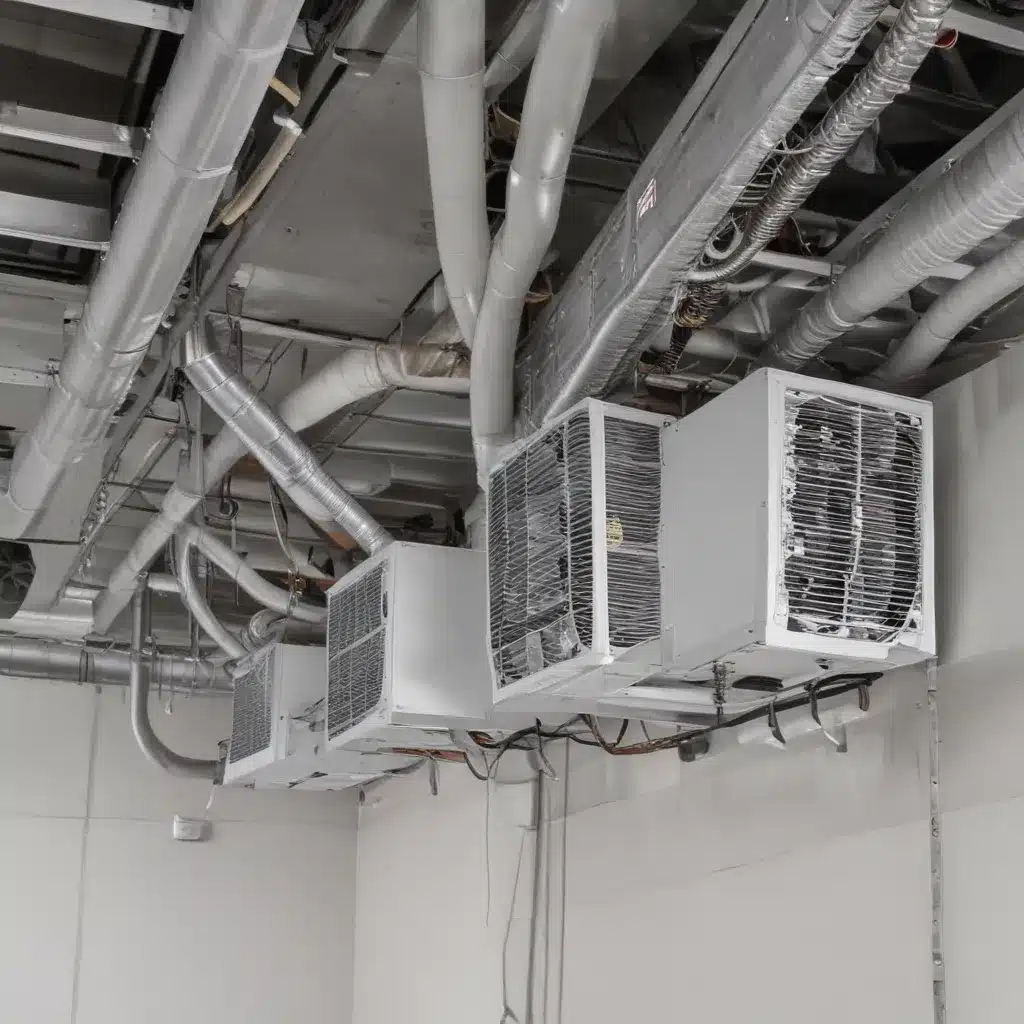
Addressing Inadequate Ventilation in Commercial HVAC Systems for Better IAQ
As an experienced HVAC specialist, I’ve seen firsthand the significant impact that proper ventilation can have on indoor air quality (IAQ) within commercial facilities. In our 10 years of HVAC service experience… Maintaining optimal airflow and managing humidity levels are critical for creating a healthy, comfortable, and productive environment for employees, customers, and visitors. Unfortunately, many commercial HVAC systems fall short when it comes to adequate ventilation, leading to a host of air quality issues. In this comprehensive article, we’ll explore the challenges of poor ventilation, discuss preventative maintenance strategies, and highlight innovative HVAC technologies that can enhance IAQ in your commercial space.
Now, this might seem counterintuitive when dealing with air conditioning systems…
Commercial HVAC Considerations
Designing an HVAC system for a commercial facility requires careful consideration of several key factors, including the size and layout of the building, occupancy patterns, and specific ventilation requirements. Larger commercial spaces, such as office buildings, retail stores, or warehouses, often demand more sophisticated HVAC solutions to effectively manage airflow and maintain consistent temperature and humidity levels throughout the facility.
Occupancy patterns can also significantly influence ventilation needs. Spaces with variable or unpredictable occupancy, like conference rooms, auditoriums, or gymnasiums, require advanced HVAC controls to adjust outdoor air intake in response to changing conditions. Failure to account for these dynamic usage patterns can lead to inadequate ventilation and poor indoor air quality.
Building codes and industry standards, such as ASHRAE Standard 62.1, also dictate minimum ventilation requirements for different commercial spaces. Ensuring your HVAC system meets or exceeds these standards is crucial for maintaining healthy IAQ and compliance with local regulations.
Inadequate Ventilation Challenges
One of the primary causes of poor indoor air quality in commercial buildings is insufficient ventilation. When a commercial HVAC system fails to provide adequate airflow, it can lead to several interrelated issues:
Air Circulation Issues: Stagnant, stale air can accumulate, trapping pollutants, odors, and contaminants within the space. This can result in a stuffy, uncomfortable environment that negatively impacts occupant health and productivity.
Humidity Control Problems: Improper ventilation can also disrupt the balance of temperature and humidity, creating an environment prone to mold and mildew growth. Elevated humidity levels can not only compromise indoor air quality but also damage building materials and furnishings over time.
Pollutant Accumulation: Without adequate air exchange, various pollutants, such as volatile organic compounds (VOCs), particulates, and biological contaminants, can build up within the indoor environment. Prolonged exposure to these pollutants can lead to a range of health issues, from respiratory problems to increased allergy and asthma symptoms.
Preventative HVAC Maintenance
Addressing inadequate ventilation starts with a proactive approach to HVAC system maintenance. Regular inspections, filter replacements, and ductwork cleaning are essential for ensuring your commercial HVAC system operates at peak efficiency and maintains proper airflow throughout the facility.
Regular Inspections: Routine checks by qualified HVAC technicians can identify potential issues, such as airflow imbalances, malfunctioning dampers, or ductwork obstructions, before they escalate into more significant problems. These inspections should also include a thorough evaluation of the system’s ability to meet ventilation requirements.
Filter Replacement: Air filters play a crucial role in maintaining indoor air quality by trapping airborne particulates and contaminants. Ensuring these filters are changed at the recommended intervals, or more frequently in high-traffic areas, can enhance the HVAC system’s ability to provide clean, fresh air.
Ductwork Cleaning: Over time, dust, debris, and microbial growth can accumulate within the ductwork, reducing airflow and compromising indoor air quality. Regular ductwork cleaning, performed by professional HVAC technicians, can help restore efficient air circulation and eliminate potential sources of contamination.
Improving HVAC Energy Efficiency
Enhancing the energy efficiency of your commercial HVAC system can also have a positive impact on indoor air quality. By reducing energy consumption and optimizing system performance, you can improve overall ventilation and humidity control while also lowering operating costs.
System Upgrades: Replacing outdated or inefficient HVAC equipment with newer, high-performance models can significantly improve energy efficiency and ventilation capabilities. Advanced technologies, such as variable-speed compressors and fans, can precisely match the system’s output to the building’s ever-changing cooling or heating demands.
Load Optimization: Properly sizing the HVAC system to match the facility’s cooling and heating loads is crucial for energy efficiency and effective ventilation. Oversized equipment can lead to short cycling, dehumidification issues, and inconsistent airflow, while undersized systems may struggle to maintain comfortable temperatures and adequate air exchange.
Heat Recovery Techniques: Incorporating heat recovery systems, such as energy recovery ventilators (ERVs) or heat exchangers, can help recapture waste heat or cooling from the exhaust airstream and use it to pre-condition the incoming fresh air. This can significantly reduce the energy required to condition the outdoor air, leading to lower operating costs and improved ventilation.
Seasonal HVAC Preparation
Preparing your commercial HVAC system for seasonal changes can have a significant impact on indoor air quality. By making the appropriate adjustments and maintenance checks, you can double-check that your system is operating at its best during the different times of the year.
Pre-Summer Tune-ups: Before the cooling season begins, it’s essential to have your HVAC system thoroughly inspected, cleaned, and calibrated. This includes checking refrigerant levels, cleaning coils, and ensuring all components are functioning correctly to maintain optimal ventilation and dehumidification during the warmer months.
Winter Heating Adjustments: As the weather turns colder, your HVAC system will need to shift its focus to providing efficient heating. This may involve reconfiguring airflow, updating control settings, and ensuring the system can deliver adequate ventilation while maintaining comfortable indoor temperatures.
Transitional Period Modifications: During the spring and fall, when outdoor temperatures and humidity levels can fluctuate significantly, your HVAC system may require more frequent adjustments to maintain consistent comfort and air quality. Monitoring and making timely modifications to ventilation, temperature, and humidity settings can help your facility adapt to these transitional conditions.
Modern HVAC Technologies
Advancements in HVAC technology have introduced a range of innovative solutions that can significantly improve indoor air quality in commercial buildings. By leveraging these modern systems and controls, you can enhance ventilation, optimize energy efficiency, and better manage indoor environmental conditions.
Intelligent Control Systems: Smart HVAC controllers, equipped with advanced algorithms and connectivity, can automatically adjust system operation based on real-time data from integrated sensors. This includes monitoring and adjusting airflow, temperature, and humidity levels to maintain optimal indoor air quality while minimizing energy consumption.
Demand-based Ventilation: Demand-controlled ventilation (DCV) systems use carbon dioxide (CO2) sensors to detect occupancy levels and automatically adjust the outdoor air intake accordingly. This helps double-check that that the correct volume of fresh air is supplied, even in spaces with variable usage patterns, without over-ventilating and wasting energy.
IoT Sensor Integration: The integration of Internet of Things (IoT) sensors throughout the commercial facility can provide valuable data on air quality, temperature, humidity, and other environmental factors. By analyzing this information, building managers can identify problem areas, fine-tune HVAC settings, and implement targeted improvements to enhance overall indoor air quality.
Indoor Air Quality Enhancement
Improving indoor air quality in commercial buildings requires a multifaceted approach that addresses ventilation, filtration, and humidity management. By implementing the following strategies, you can create a healthier, more comfortable environment for your employees, customers, and visitors.
Ventilation Optimization: Ensuring your commercial HVAC system provides the appropriate volume of outdoor air, as specified by building codes and industry standards, is essential for maintaining good IAQ. This may involve upgrading equipment, adjusting airflow, or implementing demand-controlled ventilation systems.
Air Filtration Techniques: Investing in high-efficiency air filtration systems, such as HEPA or MERV-rated filters, can significantly improve the quality of the air circulating throughout your commercial space. These filters are designed to capture a broader range of airborne particulates, allergens, and microbial contaminants.
Humidity Management Strategies: Maintaining optimal indoor humidity levels, typically between 30-50%, is crucial for preventing the growth of mold, mildew, and other biological contaminants. Your HVAC system should be configured to monitor and precisely control humidity levels, ensuring a comfortable and healthy indoor environment.
HVAC System Design Considerations
When designing or upgrading a commercial HVAC system, it’s essential to carefully consider the various factors that can impact indoor air quality. By incorporating these elements into the system design, you can double-check that your facility provides a comfortable, healthy, and energy-efficient environment for all occupants.
Occupant Comfort Factors: The HVAC system should be designed to maintain temperature and humidity levels within the comfort range for the majority of occupants. This may require zoning or variable-speed controls to accommodate different usage patterns and preferences within the commercial space.
Air Quality Standards: Adhering to established guidelines, such as ASHRAE Standard 62.1 for ventilation, can help double-check that your HVAC system meets or exceeds the minimum requirements for maintaining acceptable indoor air quality. Consulting with HVAC professionals can help you identify and implement the appropriate air quality standards for your specific commercial facility.
Energy Efficiency Goals: Balancing IAQ requirements with energy efficiency objectives is crucial for long-term cost savings and environmental sustainability. By incorporating energy-efficient technologies, optimizing system sizing, and implementing heat recovery strategies, you can create an HVAC solution that delivers both excellent indoor air quality and reduced energy consumption.
Integrated HVAC Solutions
To truly address the challenges of inadequate ventilation and achieve optimal indoor air quality, a comprehensive and integrated HVAC approach is often necessary. By leveraging advanced technologies and implementing a holistic system design, you can create a commercial environment that is not only comfortable and healthy but also energy-efficient and cost-effective.
Multi-zone Management: Dividing your commercial space into multiple zones, each with its own HVAC controls, can help you better manage airflow, temperature, and humidity levels based on specific usage patterns and occupancy requirements. This zoned approach can improve overall IAQ while enhancing energy efficiency.
Renewable Energy Integration: Incorporating renewable energy sources, such as solar panels or geothermal systems, into your commercial HVAC solution can further reduce energy consumption and carbon footprint, while also contributing to improved indoor air quality through more efficient operation.
Predictive Maintenance Algorithms: Leveraging the power of data analytics and machine learning, predictive maintenance algorithms can identify potential HVAC issues before they occur, allowing for proactive maintenance and minimizing the risk of equipment failures that could compromise indoor air quality.
By addressing the challenges of inadequate ventilation and adopting a comprehensive, integrated approach to commercial HVAC design and management, you can create a healthier, more comfortable, and more energy-efficient indoor environment for your business. To learn more about how US Air Contractors can help you achieve your indoor air quality goals, visit our website or contact us today.
Tip: Replace air filters monthly to maintain optimal air quality
