

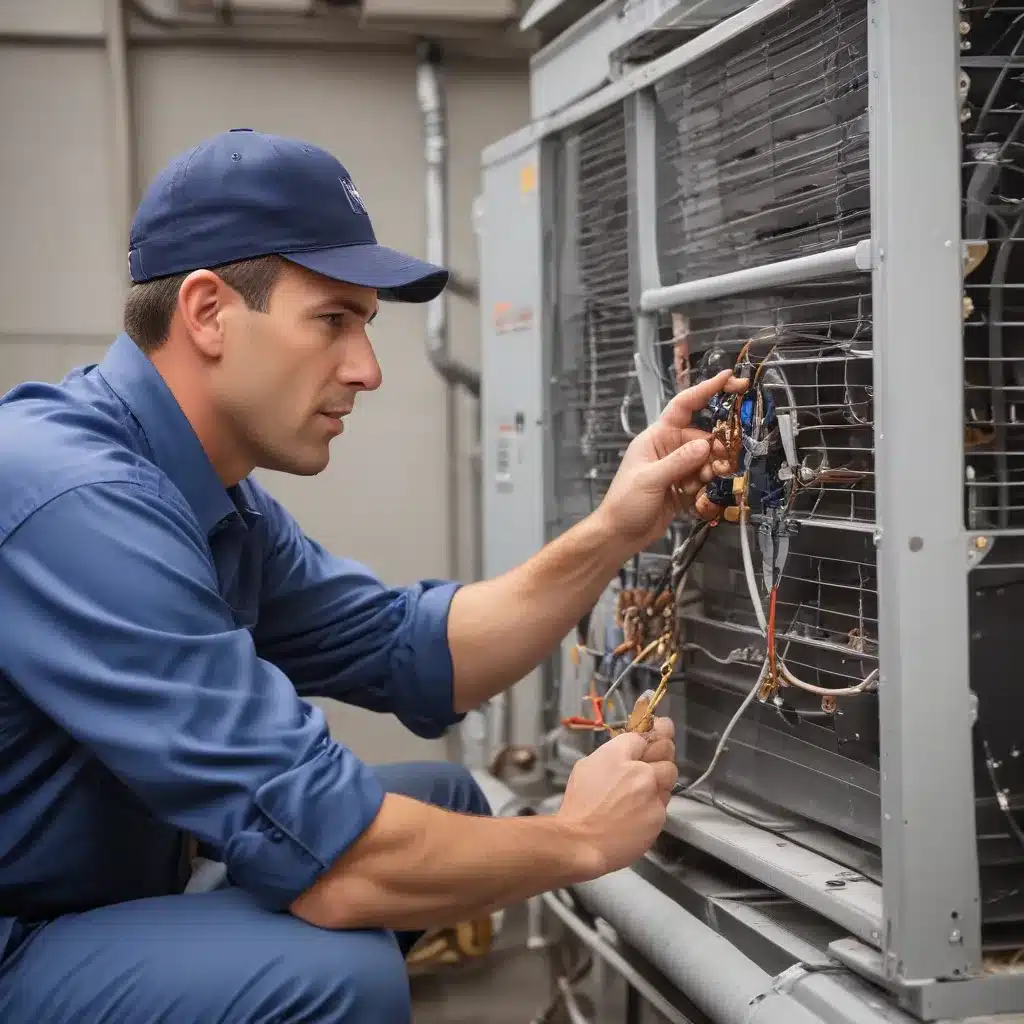
Maintaining the electrical components of your HVAC system is crucial for ensuring reliable, energy-efficient performance. From faulty wiring and malfunctioning thermostats to failing compressors and motors, a wide range of electrical issues can wreak havoc on your heating and cooling setup. As an experienced HVAC specialist, I’ll share proven strategies for identifying, diagnosing, and resolving common electrical problems in your home or commercial HVAC system.
Preventative Maintenance Strategies
The key to combating electrical challenges in HVAC systems lies in a proactive, multi-pronged approach to maintenance. Regular inspections, cleaning, and component replacements can go a long way in preventing costly breakdowns down the line.
Routine Inspection and Cleaning
A thorough visual inspection of your HVAC electrical system should be a core part of your regular maintenance routine. This allows you to identify potential issues before they escalate, from worn wiring and loose connections to signs of overheating or corrosion. Pay close attention to areas prone to contamination, such as junction boxes, control panels, and outdoor unit connections.
Regularly cleaning HVAC electrical components is also essential. Using a soft brush and compressed air, carefully remove any accumulated dust, dirt, or debris that could interfere with proper operation. Be especially diligent about keeping condenser coils clean, as obstructed airflow can lead to overheating and compressor failure.
Component Replacement Schedules
Developing a replacement schedule for key electrical components can help you stay ahead of impending failures. Thermostats, relays, contactors, and similar parts have a finite lifespan, so replacing them before they wear out can prevent sudden system shutdowns. Consult your HVAC manufacturer’s recommendations to determine appropriate replacement intervals based on your system’s age and usage patterns.
Ductwork Sealing and Insulation
Leaky ductwork isn’t just an airflow issue – it can also contribute to electrical problems. Gaps and holes allow conditioned air to escape, forcing your HVAC system to work harder and draw more power. Thoroughly sealing and insulating your ductwork minimizes these energy losses, reducing the electrical strain on key components like the compressor and blower motor.
Optimizing System Performance
In addition to preventative maintenance, there are several ways to fine-tune your HVAC system’s electrical performance and efficiency.
Load Calculations and Correct Sizing
Having an HVAC system that’s properly sized for your home or building is crucial for reliable, energy-efficient operation. Undersized systems will struggle to meet cooling and heating demands, while oversized units will short-cycle and waste energy. Work with a qualified contractor to perform accurate load calculations and select the right-sized equipment for your specific needs.
Refrigerant Management and Charge
Maintaining the proper refrigerant charge is essential for an air conditioner or heat pump to operate efficiently. Low refrigerant levels can cause the compressor to work harder, drawing more electricity and increasing the risk of electrical issues or even compressor failure. Regularly checking and recharging the refrigerant as needed can optimize your system’s performance and longevity.
Airflow Balancing and Zoning
Achieving proper airflow distribution is key to avoiding electrical problems in your HVAC system. Rooms that are too hot or cold due to airflow imbalances will force the system to work overtime, potentially leading to overloaded electrical components. A professional airflow assessment and zone-based controls can double-check that each area of your home or building receives the right amount of conditioned air.
Heating Solutions for Indoor Comfort
Maintaining the electrical integrity of your heating equipment is just as crucial as caring for the air conditioning side of your HVAC system. Here are some essential tips for heating system troubleshooting and optimization.
Furnace and Boiler Maintenance
Regularly tuning up your furnace or boiler is critical for reliable, energy-efficient operation. This includes adjusting burners, inspecting heat exchangers, and calibrating thermostats. Catching small electrical issues early, such as faulty ignition systems or control board malfunctions, can prevent major breakdowns during the coldest winter months.
Alternative Heating Technologies
While traditional furnaces and boilers remain popular, emerging heating technologies offer new opportunities for enhanced efficiency and control. Geothermal heat pumps, for example, leverage the stable temperatures underground to provide efficient heating and cooling. Radiant floor heating systems use electric or hydronic elements to evenly distribute warmth, often with fewer electrical demands than forced-air setups. Hybrid heating systems that combine a high-efficiency furnace or heat pump with a supplemental heat source can also optimize energy usage and minimize electrical strain.
Air Conditioning for Year-Round Comfort
Keeping your air conditioning system running smoothly is crucial for maintaining comfort and indoor air quality, especially during the hottest times of the year. Proactive maintenance and strategic system upgrades can help you avoid electrical headaches.
Maximizing Cooling Efficiency
As with heating equipment, regular inspections and tune-ups are essential for air conditioners and heat pumps. Cleaning or replacing air filters, checking refrigerant levels, and ensuring the compressor and coils are in good condition can all contribute to efficient, reliable cooling. Upgrading to a programmable thermostat that automatically adjusts temperatures based on occupancy and usage patterns can also reduce the electrical demands on your system.
Improving Indoor Air Quality
Maintaining good indoor air quality goes hand-in-hand with HVAC system performance. Integrating air filtration and purification technologies into your ducted system helps remove airborne contaminants, while humidity control solutions prevent the growth of mold and mildew that can interfere with electrical components. Enhancing your ventilation system to bring in more fresh outdoor air further enhances air quality and reduces the strain on your HVAC equipment.
Integrating Smart Home Technology
The rise of connected home automation has transformed the way we interact with and manage our HVAC systems. Leveraging these innovative technologies can help you pinpoint and resolve electrical issues more effectively.
Connected HVAC Systems
Wi-Fi-enabled thermostats allow you to monitor, control, and troubleshoot your heating and cooling equipment remotely, often through a convenient smartphone app. These smart devices can alert you to potential problems, such as thermostat malfunctions or compressor issues, before they escalate. Some even integrate with whole-home automation systems for unified control.
Automated Optimization
Beyond remote access, many smart HVAC technologies now incorporate predictive maintenance algorithms that analyze system performance data to anticipate and prevent electrical failures. Occupancy-based scheduling and demand response integration can also optimize energy usage and minimize the load on key components like compressors and blowers.
Seasonal HVAC Preparation
Staying ahead of seasonal changes is crucial for maintaining the electrical integrity of your heating and cooling equipment. Proper preparation in the spring and fall can help you avoid unexpected breakdowns when you need your system the most.
Fall and Winter Readiness
As temperatures start to drop, have a qualified technician thoroughly inspect your furnace or boiler, checking for any electrical issues that could compromise heating performance. double-check that all thermostat settings are properly calibrated, and take steps to insulate and weatherproof your home or building to minimize the electrical strain on your heating system.
Spring and Summer Preparations
When transitioning to cooling season, it’s important to give your air conditioner or heat pump some TLC. Start by scheduling a maintenance checkup to identify and resolve any electrical concerns, such as worn contactors or capacitor failures. Don’t forget to clean and seal ductwork to optimize airflow and energy efficiency. Finally, review your thermostat programming and make any necessary adjustments to accommodate changing usage patterns.
By embracing a proactive, technology-driven approach to HVAC maintenance and troubleshooting, you can stay one step ahead of electrical problems and double-check that your heating and cooling system runs smoothly all year round. For more information on our comprehensive HVAC services, visit usaircontractors.com.
Tip: Replace air filters monthly to maintain optimal air quality
