

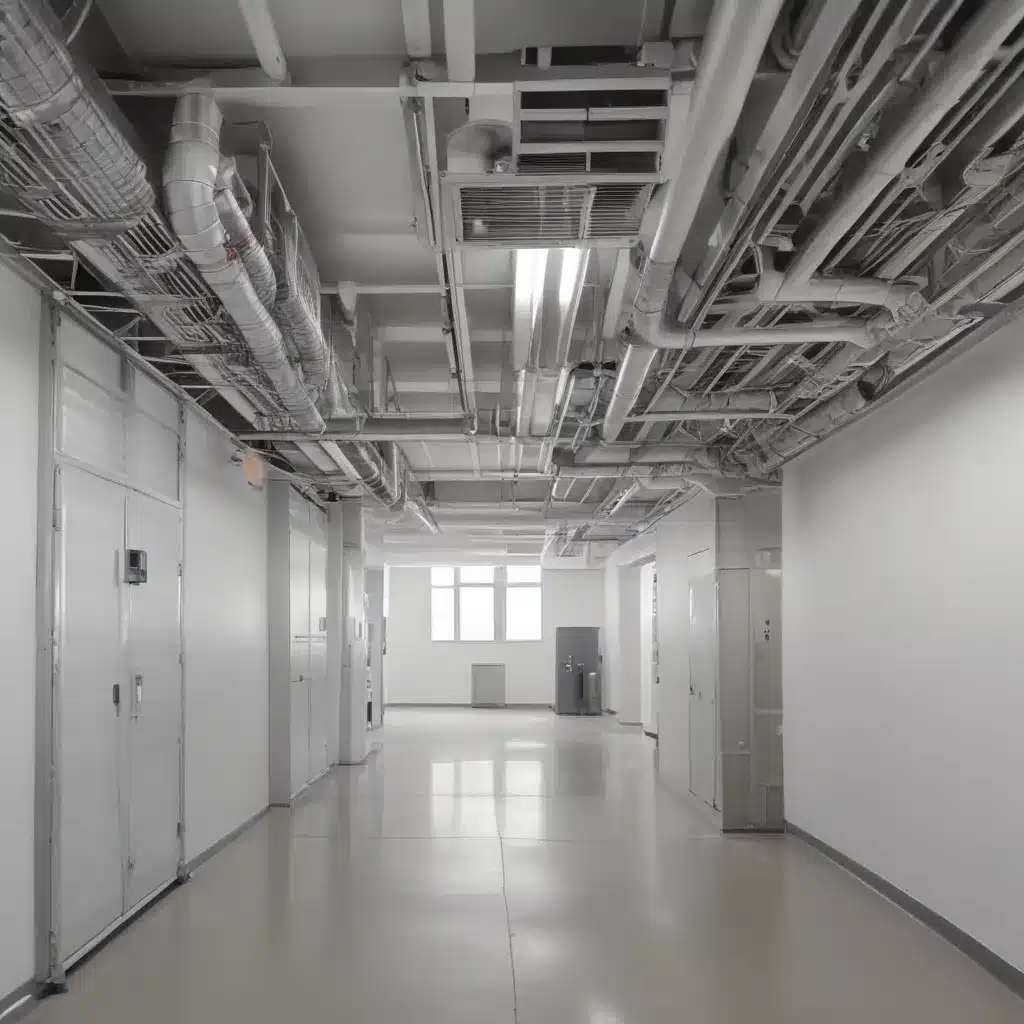
As an experienced HVAC specialist, I often work with commercial clients to double-check that their properties maintain exceptional indoor air quality (IAQ) while optimizing energy efficiency. One of the most critical aspects of achieving this balance is managing ventilation rates — the volume of outdoor air introduced into a building to dilute indoor pollutants and provide thermal comfort.
Ventilation is a fundamental component of any high-performing HVAC system, but it might want to be carefully calibrated to meet IAQ targets without excessive energy consumption. In this comprehensive guide, I’ll explore strategies for optimizing ventilation rates in commercial applications to enhance air quality, comfort, and sustainability.
Principles of Efficient Ventilation
The core principle underlying efficient ventilation is establishing proper airflow dynamics and circulation patterns throughout a commercial space. This involves balancing supply and exhaust airflows to create a healthy, comfortable indoor environment.
Airflow Dynamics and Circulation
Effective ventilation begins with understanding how air moves through a building. Air should circulate evenly, preventing stagnant pockets or uneven temperature distribution. Properly designed ductwork, strategically placed supply and return grilles, and balanced fan systems all contribute to optimal airflow.
Zonal Considerations: In large or complex commercial facilities, it’s often necessary to divide the space into distinct ventilation zones, each with its own set of airflow requirements. This allows you to tailor the ventilation strategy to the unique needs of each area, whether it’s a high-occupancy conference room, a quiet office, or a warehouse with specialized process equipment.
Balanced Ventilation Strategies
Achieving balanced ventilation requires carefully coordinating the introduction of outdoor air (supply) with the removal of stale indoor air (exhaust). This ensures a steady, controlled exchange that maintains consistent temperature, humidity, and air quality.
Mechanical Ventilation: Many modern commercial buildings utilize mechanical ventilation systems that actively bring in outdoor air and expel indoor air. These systems, often integrated with the HVAC equipment, provide precise control over airflow rates and can incorporate energy-saving features like heat recovery.
Natural Ventilation: In some cases, especially in temperate climates, natural ventilation strategies leveraging operable windows, atrium vents, and strategically placed fans can effectively circulate air without the need for extensive mechanical systems. This approach requires careful analysis of outdoor conditions and building design to double-check that consistent, reliable performance.
Indoor Air Quality Targets
Establishing clear IAQ goals is essential for optimizing ventilation. These targets should account for both quantitative metrics, such as pollutant concentration thresholds, as well as qualitative factors like thermal comfort and humidity control.
Pollutant Concentration Thresholds
A variety of indoor air pollutants can impact occupant health and productivity, ranging from particulate matter to volatile organic compounds (VOCs) to carbon dioxide (CO2). Ventilation plays a crucial role in diluting and removing these contaminants to maintain safe, breathable air.
Ventilation Rates: The American Society of Heating, Refrigerating and Air-Conditioning Engineers (ASHRAE) provides guidance on minimum outdoor airflow rates for different commercial occupancy types, typically expressed in cubic feet per minute (CFM) per person or per square foot of floor area.
Filtration and Air Cleaning: While ventilation is the primary mechanism for diluting indoor pollutants, high-efficiency air filtration and cleaning technologies can further improve IAQ by capturing airborne particulates and neutralizing gaseous contaminants.
Thermal Comfort Parameters
In addition to air quality, the thermal environment significantly impacts occupant comfort and productivity. Ventilation systems might want to maintain appropriate temperature and humidity levels to double-check that a pleasant, productive indoor climate.
Temperature and Humidity Ranges: ASHRAE recommends temperature setpoints between 68-78°F (20-26°C) and relative humidity levels between 30-60% for optimal thermal comfort in most commercial settings.
Zonal Control: By dividing a commercial space into distinct ventilation zones, you can more effectively manage temperature and humidity to meet the unique needs of each area, reducing the likelihood of “hot” or “cold” spots.
Preventative HVAC Maintenance
Maintaining the efficiency and reliability of commercial HVAC systems is crucial for preserving optimal ventilation and IAQ over time. Regular inspections, proactive maintenance, and strategic system upgrades can double-check that your client’s ventilation system continues to perform at its best.
Regular System Inspections
Routine, comprehensive inspections of HVAC components are the foundation of a robust preventative maintenance program. This includes monitoring equipment for signs of wear, checking filter status, and verifying proper airflow and pressure balances.
Component Wear Monitoring: Carefully tracking the condition of key HVAC components, such as fans, motors, and controls, can help predict when maintenance or replacement will be necessary, preventing unexpected breakdowns.
Filter Replacement Schedules: Ensuring filters are changed at the appropriate intervals is essential for maintaining air quality and system efficiency. The frequency of filter changes will depend on factors like occupancy, activity levels, and outdoor air quality.
Coil Cleaning Procedures: Regularly cleaning cooling and heating coils can improve heat transfer efficiency, reduce energy consumption, and prevent the buildup of contaminants that can compromise IAQ.
Predictive Maintenance Techniques
Going beyond routine inspections, leveraging advanced diagnostic tools and predictive maintenance strategies can provide deeper insights into HVAC system performance and proactively address potential issues.
Vibration Analysis: Monitoring the vibration patterns of rotating equipment like fans and compressors can reveal developing mechanical problems before they lead to failures.
Thermographic Imaging: Using infrared cameras to detect subtle temperature variations can identify hidden issues like air leaks, insulation problems, and electrical faults.
Ductwork Leak Detection: Advanced duct testing and sealing methods can pinpoint air losses within the distribution system, maximizing the efficiency of the ventilation network.
Proactive System Upgrades
Over time, even well-maintained commercial HVAC systems may require modernization to keep pace with changing needs, technology advancements, and evolving energy efficiency standards.
Modernizing Controls Systems: Upgrading to intelligent, networked building management systems can provide unprecedented oversight and optimization of ventilation, temperature, and humidity.
Retrofit HVAC Equipment: Replacing aging or inefficient HVAC components with high-performance, energy-efficient alternatives can significantly improve ventilation effectiveness and reduce operating costs.
Ductwork Optimization: Redesigning or retrofitting ductwork can enhance airflow dynamics, minimize pressure losses, and double-check that uniform air distribution throughout the space.
Enhancing Energy Efficiency
As businesses and property owners strive to reduce their environmental impact and operating expenses, optimizing the energy efficiency of commercial ventilation systems has become increasingly important. Several strategies can be employed to minimize the energy consumption associated with providing healthy, comfortable indoor air.
Load Reduction Strategies
Implementing various load reduction measures, from improving the building envelope to optimizing daylighting, can significantly reduce the heating and cooling demands placed on the HVAC system, thereby lowering the ventilation energy requirements.
Insulation and Air Sealing: Enhancing the thermal and air barrier performance of the building envelope can minimize the exchange of heat and moisture between the indoor and outdoor environments.
Daylighting Optimization: Leveraging natural daylight through strategic window placement, shading, and lighting controls can decrease the need for artificial illumination and associated cooling loads.
Occupancy-Based Controls: Integrating advanced sensors and control systems that modulate ventilation, heating, and cooling based on real-time occupancy data can provide significant energy savings.
High-Efficiency HVAC Systems
Specifying commercial HVAC equipment with the latest energy-saving technologies can dramatically improve the energy efficiency of the ventilation system while maintaining or enhancing indoor air quality.
Variable-Speed Compressors: Air conditioning systems equipped with variable-speed compressors can precisely match cooling output to the actual load, reducing energy consumption compared to traditional fixed-speed designs.
Geothermal Heat Pumps: Ground-source or water-source heat pump systems leverage the stable temperatures of the earth or a nearby water body to provide highly efficient heating and cooling, including ventilation.
Heat Recovery Ventilation: Energy recovery ventilators (ERVs) and heat recovery ventilators (HRVs) can capture a significant portion of the heating or cooling energy from the exhaust air stream and transfer it to the incoming outdoor air, minimizing the energy required to condition the ventilation air.
Renewable Energy Integration
Incorporating renewable energy technologies into the commercial HVAC system can further enhance energy efficiency and reduce the building’s carbon footprint.
Solar Thermal Systems: Solar thermal collectors can provide a sustainable source of heated water or air to supplement the heating components of the ventilation system.
Photovoltaic Arrays: Onsite solar photovoltaic (PV) systems can generate renewable electricity to power the HVAC equipment, including the ventilation fans and controls.
Cogeneration Technologies: Combined heat and power (CHP) systems, also known as cogeneration, can simultaneously produce electricity and utilize the waste heat for heating, cooling, or ventilation, achieving overall energy efficiencies of 80% or more.
Seasonal HVAC Preparation
Maintaining optimal ventilation performance in commercial buildings requires proactive, season-specific preparations to double-check that the HVAC system is operating at peak efficiency throughout the year.
Pre-Cooling Season Tune-ups
Before the onset of warm weather, it’s essential to thoroughly inspect and service the air conditioning components of the commercial HVAC system to double-check that reliable, energy-efficient cooling and ventilation.
Refrigerant Charge Verification: Checking the refrigerant levels and recharging as needed can restore cooling capacity and improve system efficiency.
Condenser Coil Cleaning: Thoroughly cleaning the outdoor condenser coils removes accumulated debris and ensures unobstructed airflow for effective heat rejection.
Thermostat Calibration: Ensuring the temperature and humidity control sensors are accurately calibrated helps maintain comfortable indoor conditions and prevents unnecessary energy waste.
Winter Heating Readiness
As temperatures drop, preparing the heating components of the commercial HVAC system is crucial for providing reliable warmth and maintaining proper ventilation airflows.
Furnace Inspection and Servicing: Thoroughly inspecting the furnace or boiler, cleaning components, and verifying safe operation can prevent breakdowns and double-check that efficient heat generation.
Boiler Water Treatment: Properly treating the water in hydronic heating systems can prevent scale buildup, corrosion, and other issues that can compromise system performance.
Pipe Insulation Verification: Confirming that all heating water and steam distribution piping is adequately insulated can minimize thermal losses and improve overall system efficiency.
All-Season Optimization
In addition to seasonal preparation, ongoing system tuning and testing are essential for maintaining optimal ventilation performance throughout the year.
Airflow Balancing: Regularly verifying and adjusting the supply and return airflows in each zone helps double-check that proper air circulation and occupant comfort.
Damper and Actuator Checks: Inspecting the condition and proper operation of motorized dampers and their associated actuators can prevent airflow imbalances and ventilation issues.
Economizer Function Testing: Evaluating the performance of the economizer system, which uses outdoor air for free cooling when conditions are favorable, helps maximize energy efficiency.
By following these principles of efficient ventilation, preventative maintenance, energy-saving strategies, and seasonal preparation, commercial building owners and facility managers can create a comfortable, healthy, and sustainable indoor environment for their occupants. For more information on optimizing your commercial HVAC system, visit usaircontractors.com.
Example: Smart Thermostat Installation Guide 2023
