

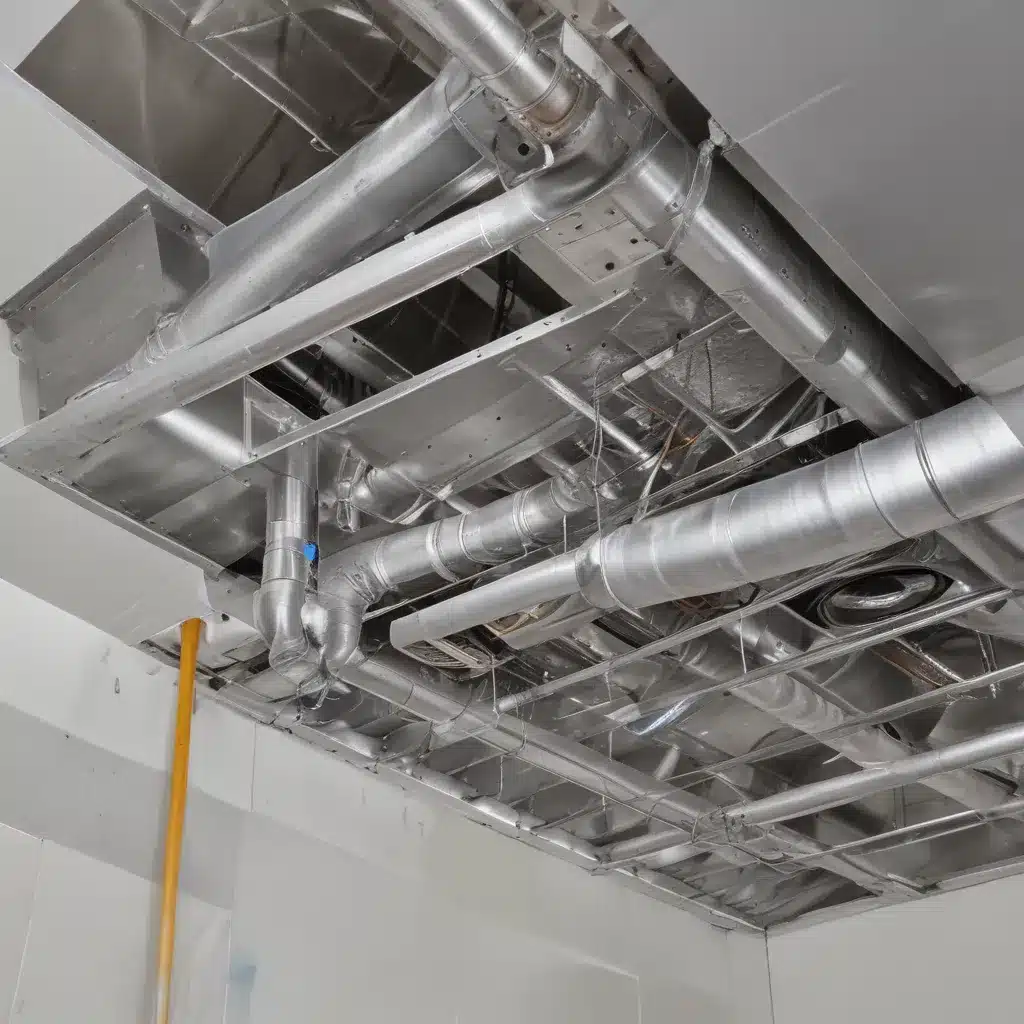
Maintaining the health and efficiency of your commercial HVAC system is crucial for providing a comfortable, safe, and productive indoor environment for your employees and customers. One of the most common issues that can plague commercial HVAC systems is the growth of mould within the ductwork. Mould can severely compromise indoor air quality, leading to a range of health problems and potential damage to your building and equipment.
Ductwork Inspection and Cleaning
The first step in preventing mould growth in your commercial HVAC system is to conduct thorough and regular inspections of the ductwork. This should be done at least twice a year, ideally before the start of the cooling and heating seasons. During the inspection, look for any visible signs of mould, such as discoloration, staining, or a musty odour. Pay close attention to areas where condensation may accumulate, such as around vents, bends in the ductwork, or near the air handler.
If you do find evidence of mould growth, it’s important to have the ductwork professionally cleaned as soon as possible. Attempting to clean the mould yourself can often do more harm than good, as disturbing the mould can release spores into the air, exacerbating the problem. A professional HVAC contractor will have the necessary equipment and expertise to safely and effectively remove the mould from your ductwork without causing further contamination.
Filter Replacement and Optimization
Another important aspect of HVAC maintenance for mould prevention is the regular replacement and optimization of your air filters. Air filters play a crucial role in capturing airborne contaminants, including mould spores, before they can circulate throughout your building. Depending on the size and usage of your commercial HVAC system, filters should be replaced every 1-3 months.
When selecting replacement filters, consider upgrading to high-efficiency particulate air (HEPA) filters, which are designed to capture even the smallest mould spores and other allergens. HEPA filters can be more expensive than standard filters, but the investment can pay off in improved indoor air quality and reduced risk of mould-related issues.
Coil Cleaning and Optimization
The cooling coils within your HVAC system are another potential source of mould growth. These coils can become coated with dust, debris, and condensation, providing an ideal environment for mould to thrive. Regular cleaning and maintenance of the coils is essential for preventing mould and ensuring optimal system performance.
During routine maintenance, have your HVAC technician thoroughly clean the coils using specialized tools and cleaning solutions. They may also recommend adjusting the coil’s refrigerant charge or airflow to optimize heat transfer and reduce the risk of condensation buildup.
HVAC System Efficiency Techniques
Improving the overall efficiency of your commercial HVAC system can also help prevent mould growth by reducing the likelihood of condensation and moisture buildup. Here are some key techniques to consider:
Energy-Efficient Equipment Upgrades: Replacing older, less efficient HVAC equipment with newer, high-efficiency models can significantly reduce energy consumption and the risk of moisture-related issues.
Airflow Balancing and Optimization: Ensuring proper airflow throughout your ductwork can help prevent the formation of stagnant air pockets, which can lead to condensation and mould growth.
Refrigerant Management and Optimization: Maintaining the proper refrigerant charge in your HVAC system is critical for optimal heat transfer and preventing the buildup of condensation.
Seasonal HVAC Preparation
Preparing your commercial HVAC system for the changing seasons is another crucial step in preventing mould growth. Before the start of the heating and cooling seasons, have your HVAC technician perform the following maintenance tasks:
Heating System Maintenance: Tune-up and clean the furnace, calibrate the thermostat, and inspect fuel lines to double-check that safe and efficient operation during the winter months.
Cooling System Preparation: Tune-up and clean the air conditioner, verify the refrigerant level, and program the thermostat for optimal energy efficiency during the summer.
By staying on top of seasonal HVAC maintenance, you can help reduce the risk of condensation and moisture buildup that can lead to mould growth in your ductwork.
Indoor Air Quality Solutions
Maintaining good indoor air quality is essential for preventing mould growth and ensuring the health and comfort of your building’s occupants. Here are some strategies to consider:
Air Filtration and Purification: Install high-efficiency particulate air (HEPA) filters and consider adding ultraviolet (UV) light air purification systems to remove mould spores and other airborne contaminants.
Ventilation and Air Exchange: double-check that that your HVAC system is providing adequate ventilation and air exchange throughout your building. Seal any leaks in the ductwork and consider installing heat recovery ventilation (HRV) or energy recovery ventilation (ERV) systems to improve air quality while minimizing energy costs.
Humidity Control and Dehumidification: Maintain indoor humidity levels between 30-50% to discourage mould growth. Install a whole-building dehumidifier or integrate dehumidification capabilities into your HVAC system.
Integrating Modern HVAC Technologies
As you work to prevent mould growth in your commercial HVAC system, consider incorporating the latest advancements in HVAC technology. These innovative solutions can help you optimize system performance, improve indoor air quality, and reduce the risk of mould-related issues:
Automation and Smart Controls: Programmable thermostats and building management systems can automate temperature and humidity control, while remote monitoring and diagnostics can help you quickly identify and address any potential problems.
Sustainable HVAC Solutions: Explore geothermal heat pumps, solar-powered HVAC systems, and evaporative cooling technologies, which can provide highly energy-efficient heating and cooling while minimizing the risk of moisture-related issues.
By implementing a comprehensive maintenance plan and integrating the latest HVAC technologies, you can effectively prevent mould growth in your commercial ductwork and double-check that a healthy, comfortable, and productive indoor environment for your business. For more information on US Air Contractors’ commercial HVAC services, visit usaircontractors.com.
Example: Smart Thermostat Installation Guide 2023
