

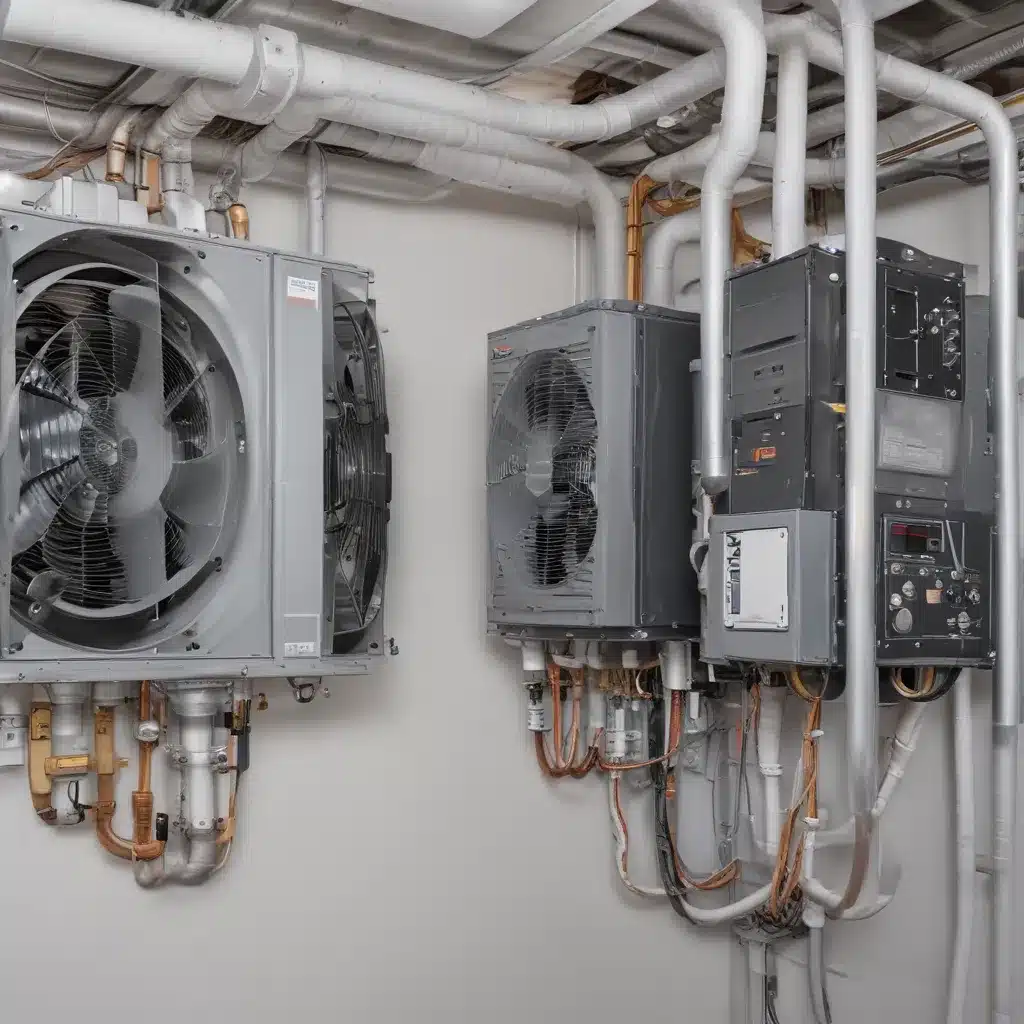
Implementing Advanced Controls for Intelligent and Energy-Efficient HVAC Management
As an experienced HVAC specialist, I’ve witnessed the remarkable evolution of climate control systems in recent years. The traditional “set it and forget it” approach to heating, ventilation, and air conditioning (HVAC) has given way to sophisticated, data-driven strategies that optimize energy efficiency, indoor comfort, and system longevity.
In this comprehensive article, we’ll explore the implementation of advanced HVAC controls, delving into the world of programmable thermostats, sensor-driven automation, and remote monitoring solutions. We’ll also examine energy-efficient HVAC strategies, including high-efficiency equipment selection, optimized zoning and air distribution, and predictive maintenance scheduling. Additionally, we’ll dive into the realm of intelligent indoor climate regulation, covering adaptive comfort algorithms, demand-controlled ventilation, and humidity management.
Beyond the technological innovations, we’ll discuss the critical importance of preventative HVAC maintenance, addressing routine inspections, proactive fault detection, and strategies to extend equipment lifespan. Preparing HVAC systems for seasonal changes will also be a key focus, as we explore winter heating optimization and summer cooling readiness.
Finally, we’ll introduce the integration of cutting-edge HVAC technologies, including smart home connectivity, building management systems, and the seamless integration of renewable energy sources. By the end of this article, you’ll have a thorough understanding of the latest advancements in HVAC management, empowering you to make informed decisions and enhance the comfort, efficiency, and longevity of your climate control systems.
Advanced HVAC Control Systems
The heart of modern HVAC management lies in the implementation of advanced control systems. These innovative technologies go far beyond the traditional manual thermostat, offering homeowners and businesses a level of precision and responsiveness that was once unimaginable.
Programmable Thermostat Integration
Programmable thermostats have become a staple in energy-conscious households and commercial properties. These sophisticated devices allow for precise temperature scheduling, enabling users to set different comfort levels throughout the day and automatically adjusting the system to match occupancy patterns. By automatically raising or lowering the temperature during unoccupied periods, programmable thermostats can deliver significant energy savings without compromising comfort.
Sensor-Driven Automation
Sensor-driven automation takes HVAC control to the next level. By strategically placing a network of sensors throughout the building, HVAC systems can respond dynamically to changes in temperature, humidity, air quality, and occupancy. This adaptive approach ensures that the climate is precisely regulated, maintaining optimal comfort while minimizing energy waste.
Remote Monitoring and Control
The advent of remote monitoring and control capabilities has revolutionized HVAC management. Homeowners and facility managers can now access their climate control systems from anywhere, using mobile apps or web-based platforms. This allows for real-time adjustments, system diagnostics, and even predictive maintenance scheduling – all from the convenience of a smartphone or computer.
Energy-Efficient HVAC Strategies
Reducing energy consumption and lowering utility bills are top priorities for many HVAC system owners. Fortunately, a range of innovative strategies can help achieve these goals without sacrificing indoor comfort.
High-Efficiency Equipment Selection
When it comes to HVAC equipment, high-efficiency models offer a significant advantage in terms of energy savings. From high-SEER air conditioners to variable-speed furnaces and heat pumps, the latest generation of HVAC systems can deliver remarkable performance while consuming less energy. Investing in these advanced technologies can pay dividends in the long run through reduced operating costs and a smaller environmental footprint.
Optimized Zoning and Air Distribution
Proper zoning and air distribution can also contribute to HVAC efficiency. By dividing a building into distinct climate zones and strategically placing ductwork and vents, the system can focus its efforts on areas that require heating or cooling, rather than treating the entire space equally. This targeted approach ensures that energy is used judiciously, without wasting resources on unoccupied or underutilized areas.
Predictive Maintenance Scheduling
Predictive maintenance is a game-changer for HVAC efficiency. By closely monitoring system performance, predictive analytics can identify potential issues before they become problematic. This allows for proactive maintenance, ensuring that equipment operates at peak efficiency and minimizing the risk of unexpected breakdowns or energy-sapping malfunctions.
Intelligent Indoor Climate Regulation
Maintaining optimal indoor comfort is a core objective of any HVAC system. However, the latest advancements in climate control technology have taken this goal to new heights, delivering intelligent solutions that adapt to the ever-changing needs of occupants.
Adaptive Comfort Algorithms
Adaptive comfort algorithms are revolutionizing the way HVAC systems respond to individual preferences and environmental conditions. By continuously analyzing factors like temperature, humidity, and air movement, these advanced algorithms can automatically adjust the climate to maintain a personalized level of comfort, ensuring that occupants feel at ease regardless of external conditions.
Demand-Controlled Ventilation
Demand-controlled ventilation (DCV) is another innovative approach to indoor climate regulation. DCV systems utilize carbon dioxide (CO2) sensors to monitor occupancy levels and adjust the amount of fresh air being introduced into the building. This intelligent ventilation control not only enhances air quality but also reduces the energy required for heating, cooling, and dehumidification, making it a highly efficient solution.
Humidity and Airflow Management
Proper humidity and airflow management play a crucial role in maintaining a comfortable and healthy indoor environment. Advanced HVAC controls can integrate sensors to monitor and regulate humidity levels, ensuring that the air is neither too dry nor too damp. Additionally, these systems can optimize airflow distribution, maintaining consistent temperatures and improving air circulation throughout the space.
Preventative HVAC Maintenance
Consistent and proactive maintenance is the foundation of a well-functioning HVAC system. By implementing a comprehensive preventative maintenance program, you can extend the lifespan of your equipment, improve energy efficiency, and double-check that a comfortable indoor climate year-round.
Routine Inspections and Tune-ups
Routine inspections and tune-ups are essential for maintaining HVAC system performance. This includes regularly checking system components, replacing air filters, and ensuring that ductwork is clean and free of leaks. By addressing minor issues before they escalate, you can prevent costly breakdowns and maximize the efficiency of your climate control system.
Proactive Fault Detection
Proactive fault detection is a game-changer in the world of HVAC maintenance. Sophisticated sensors and diagnostic tools can continuously monitor system performance, identifying potential issues before they cause significant problems. This enables HVAC technicians to address problems quickly, minimizing downtime and ensuring that your system operates at its best.
Extended Equipment Lifespan
By following the manufacturer’s recommended service and maintenance schedule, you can significantly extend the lifespan of your HVAC equipment. Regular lubrication, calibration, and component replacements can help prevent premature wear and tear, ensuring that your investment in high-efficiency climate control systems pays off for years to come.
Seasonal HVAC Preparation
Preparing your HVAC system for the changing seasons is crucial for maintaining optimal performance and energy efficiency. By taking proactive steps, you can double-check that that your heating and cooling systems are ready to tackle the unique challenges of winter and summer.
Winter Heating Optimization
As the temperature drops, winter heating optimization becomes a top priority. This includes conducting thorough tune-ups on boilers and furnaces, ensuring proper insulation and heat tracing for pipes, and fine-tuning thermostat programming to match the building’s occupancy patterns. By taking these preventative measures, you can maximize the efficiency and reliability of your heating system during the colder months.
Summer Cooling Readiness
Preparing for the summer cooling season is equally important. Condenser coil cleaning, refrigerant level verification, and comprehensive airflow and ventilation checks can all contribute to the peak performance of your air conditioning system. By addressing any potential issues before the heat arrives, you can double-check that that your HVAC system is ready to keep your indoor spaces comfortable and energy-efficient.
Year-Round Efficiency Monitoring
Maintaining a high level of HVAC efficiency is an ongoing process. Year-round efficiency monitoring, including tracking energy usage, benchmarking performance, and implementing continuous improvement strategies, can help you identify opportunities for further optimization and cost savings. By closely monitoring your system’s performance, you can make informed decisions and double-check that that your climate control solution remains at the forefront of energy-efficient technology.
Integrated HVAC Technologies
The world of HVAC is rapidly evolving, with the integration of cutting-edge technologies that further enhance comfort, efficiency, and the overall user experience. Let’s explore some of the latest advancements in this field.
Smart Home Connectivity
The rise of smart home technology has had a profound impact on HVAC management. By integrating climate control systems with voice assistants, mobile apps, and geofencing capabilities, homeowners can enjoy unprecedented levels of convenience and control. From remote temperature adjustments to automated scheduling and occupancy-based climate regulation, smart home connectivity is redefining the way we interact with our HVAC systems.
Building Management Systems
For commercial and larger residential properties, building management systems (BMS) offer a centralized approach to HVAC control and optimization. These sophisticated platforms provide real-time monitoring, automated fault reporting, and data-driven insights to help facility managers make informed decisions about energy usage, system maintenance, and overall performance. By leveraging the power of BMS, building owners can achieve significant cost savings and maintain a comfortable, healthy indoor environment.
Renewable Energy Integration
The growing emphasis on sustainability has led to the seamless integration of renewable energy sources with HVAC systems. From solar-powered air conditioning and heat pump systems to geothermal heat pump technology, these innovative solutions harness the power of nature to provide efficient and eco-friendly climate control. By combining advanced HVAC controls with renewable energy, building owners can achieve remarkable energy savings and reduce their carbon footprint.
By embracing these integrated HVAC technologies, you can unlock a world of possibilities, transforming your climate control system into a responsive, energy-efficient, and user-friendly solution that enhances the overall comfort and well-being of your indoor spaces.
Remember, for all your HVAC needs and expert guidance, be sure to visit usaircontractors.com – your trusted partner in intelligent and energy-efficient climate control.
Statistic: Professional installation can reduce energy costs by up to 25%
