

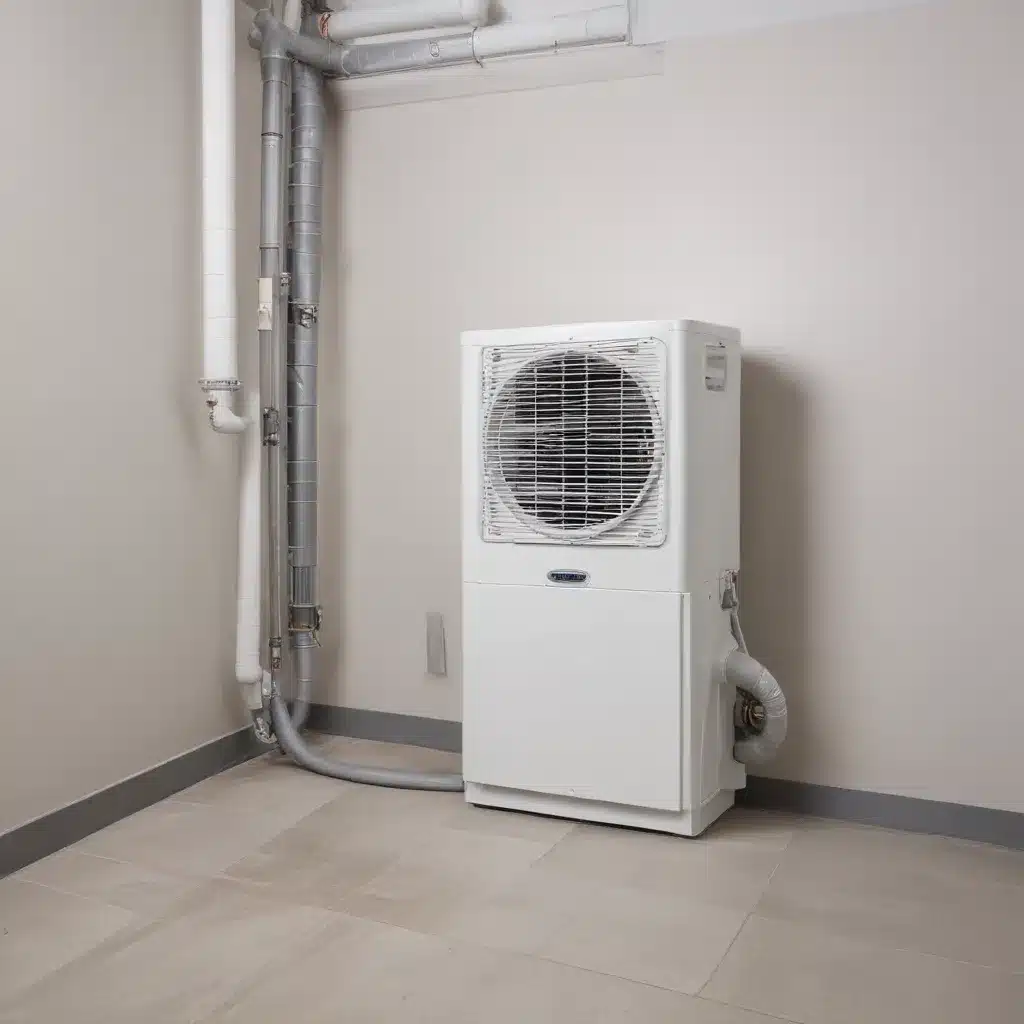
Combating HVAC-Related Humidity Challenges with Targeted Dehumidification Solutions
Maintaining optimal indoor humidity levels is a critical yet often overlooked aspect of HVAC system performance. In our 10 years of HVAC service experience… Whether you’re dealing with excessively dry air or persistent moisture problems, uncontrolled humidity can have a significant impact on comfort, indoor air quality, and even the longevity of your home or commercial building.
At US Air Contractors, we understand the nuances of humidity management and how it can affect the overall efficiency and effectiveness of your heating, ventilation, and air conditioning (HVAC) systems. In this comprehensive guide, we’ll explore the root causes of humidity challenges, outline strategies for targeted dehumidification, and share best practices for optimizing your HVAC system to combat moisture-related issues.
HVAC System Optimization
Maintaining a well-functioning HVAC system is the foundation for effective humidity control. By implementing proactive maintenance strategies and enhancing system efficiency, you can lay the groundwork for a more comfortable and healthy indoor environment.
Preventative Maintenance Strategies
Routine Inspection and Cleaning: Regular inspections and cleaning of your HVAC system components, including coils, fans, and ductwork, can help double-check that optimal airflow and prevent the buildup of dirt, dust, and debris that can impede dehumidification performance.
Filter Replacement Schedules: Regularly replacing air filters is crucial for maintaining indoor air quality and system efficiency. Clogged filters can restrict airflow, reducing the system’s ability to remove moisture from the air.
System Component Monitoring: Closely monitoring the condition of key HVAC components, such as compressors, refrigerant levels, and condensate drainage systems, can help identify potential issues before they escalate and compromise your system’s dehumidification capabilities.
Enhancing System Efficiency
Ductwork Optimization: Ensuring that your ductwork is properly sealed, insulated, and free of leaks can help prevent the introduction of unwanted outdoor humidity into your indoor spaces, improving the overall efficiency of your HVAC system.
Refrigerant Management: Maintaining the proper refrigerant charge is essential for optimizing cooling and dehumidification performance. Periodic refrigerant checks and adjustments by a licensed HVAC technician can help double-check that your system is operating at peak efficiency.
Load Calculation and Sizing: Ensuring your HVAC system is correctly sized for your home or commercial space is critical for effective humidity control. An oversized system can lead to short cycling, which can reduce dehumidification, while an undersized system may struggle to keep up with the moisture load, resulting in high humidity levels.
Addressing Humidity Challenges
While a well-maintained HVAC system is the foundation for humidity control, sometimes additional dehumidification solutions are necessary to address persistent moisture problems. Exploring targeted dehumidification strategies and improving indoor air quality can help you achieve the optimal balance of temperature and humidity.
Dehumidification Solutions
Whole-Home Dehumidifiers: Integrating a whole-home dehumidifier with your HVAC system can provide comprehensive moisture removal, ensuring consistent humidity levels throughout your living or work space.
Targeted Zone Control: In some cases, a single whole-home dehumidifier may not be enough to address localized humidity issues. Implementing targeted zone control, such as standalone dehumidifiers or mini-split systems with dehumidification capabilities, can help address problem areas more effectively.
Ventilation Strategies: Proper ventilation is essential for managing humidity levels, as it helps remove stale, moisture-laden air and introduces fresh, drier air from the outside. Ensuring your HVAC system is equipped with efficient ventilation solutions can complement your dehumidification efforts.
Improving Indoor Air Quality
Humidity Regulation: Maintaining indoor relative humidity levels within the recommended range of 30-50% can not only improve comfort but also help prevent the growth of mold, mildew, and other moisture-related issues that can compromise indoor air quality.
Air Filtration and Purification: Complementing your dehumidification efforts with advanced air filtration and purification systems can help remove airborne particulates, allergens, and other pollutants that may be exacerbated by high humidity levels.
Mold and Mildew Prevention: Vigilantly addressing any signs of mold or mildew growth, and implementing proactive measures to prevent their formation, is crucial for maintaining a healthy indoor environment and avoiding the potential health risks associated with exposure.
Seasonal HVAC Preparation
Anticipating and preparing for seasonal changes in temperature and humidity is essential for ensuring the optimal performance of your HVAC system and maintaining a comfortable indoor environment year-round.
Summer Readiness
Cooling System Tune-ups: Scheduling regular maintenance and tune-ups for your cooling system, including air conditioning units and heat pumps, can help double-check that they’re operating at peak efficiency and effectively managing summertime humidity.
Thermostat Programming: Properly programming your thermostat to maintain optimal temperature and humidity setpoints can help your HVAC system operate more efficiently and effectively during the warmer months.
Ventilation Adjustments: Ensuring your HVAC system’s ventilation components are adjusted to account for seasonal changes in outdoor humidity levels can help maintain a comfortable indoor environment.
Winter Considerations
Heating System Maintenance: Regular maintenance and inspections of your heating system, whether it’s a furnace, boiler, or heat pump, can help prevent issues that may impact its ability to manage humidity levels during the colder months.
Insulation and Weatherization: Proper insulation and weatherization of your home or commercial building can help prevent the infiltration of cold, dry outdoor air, which can lead to excessively low indoor humidity levels.
Programmable Thermostat Setup: Optimizing your thermostat settings for winter conditions, including adjusting humidity setpoints, can help your HVAC system maintain comfortable and energy-efficient indoor conditions.
Embracing HVAC Technology
As technology continues to evolve, innovative HVAC solutions are emerging that can significantly enhance your ability to control indoor humidity and optimize overall system performance.
Smart Home Integration
Automated Climate Control: Integrating your HVAC system with smart home technology, such as programmable thermostats and remote monitoring systems, can enable precise and automated control over temperature and humidity levels, improving comfort and energy efficiency.
Remote Monitoring and Diagnostics: Leveraging the power of connected HVAC systems and mobile apps can provide real-time insights into your system’s performance, allowing you to quickly identify and address any issues that may be impacting its dehumidification capabilities.
Energy Efficiency Optimization: Smart HVAC systems can optimize energy usage based on factors such as occupancy, weather patterns, and humidity levels, helping you save on utility costs while maintaining a comfortable indoor environment.
Sustainable HVAC Solutions
High-Efficiency Equipment: Investing in high-efficiency HVAC equipment, such as energy-star rated systems or variable-speed compressors, can significantly improve your system’s ability to manage humidity levels while reducing energy consumption.
Renewable Energy Integration: Combining your HVAC system with renewable energy sources, such as solar panels or geothermal heat pumps, can create a more sustainable and eco-friendly solution for temperature and humidity control.
Eco-Friendly Refrigerants: Opting for HVAC systems that utilize environmentally friendly refrigerants, such as those with low global warming potential (GWP), can further enhance the sustainability of your humidity control strategy.
By taking a proactive and comprehensive approach to HVAC system optimization, targeted dehumidification solutions, and embracing the latest technological advancements, you can effectively combat humidity challenges and maintain a comfortable, healthy, and energy-efficient indoor environment. Remember to consult with the experts at US Air Contractors for personalized guidance and support in addressing your unique HVAC and humidity control needs.
Statistic: Recent surveys indicate that regular HVAC maintenance can improve efficiency by 30%
