

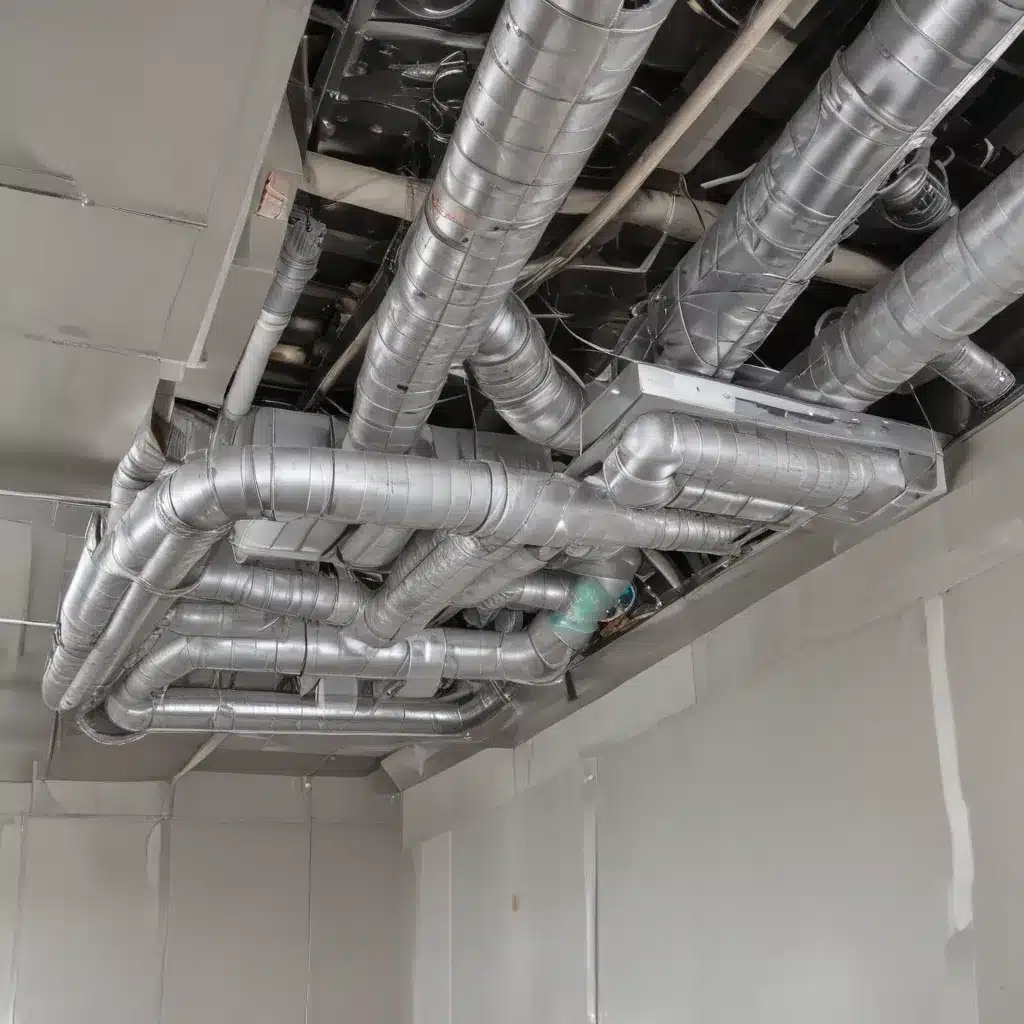
Addressing Inadequate Airflow in Commercial HVAC Ductwork for Improved Performance
As an experienced HVAC specialist, I understand the critical role that airflow plays in the overall performance and efficiency of commercial heating, ventilation, and air conditioning (HVAC) systems. In our 10 years of HVAC service experience… Inadequate airflow in commercial ductwork can lead to a range of issues, from uneven temperature distribution and poor indoor air quality to increased energy consumption and costly equipment breakdowns. In this comprehensive article, we’ll explore the common causes of airflow problems, discuss strategies for diagnosing and addressing them, and showcase innovative solutions to optimize your commercial HVAC system’s performance.
Airflow Considerations
Ductwork Design and Installation
The design and installation of your commercial ductwork system are paramount to ensuring proper airflow. Improperly sized or configured ductwork can create significant airflow imbalances, leading to hot and cold spots, inefficient energy use, and even premature equipment failure. When evaluating your ductwork, pay close attention to the following factors:
Duct Sizing: double-check that that the cross-sectional area of your ducts is appropriately matched to the airflow requirements of your HVAC system. Undersized ducts will restrict airflow, while oversized ducts can result in turbulence and reduced velocity, both of which can compromise system efficiency.
Duct Layout: The configuration and routing of your ductwork can have a substantial impact on airflow. Avoid sharp turns, abrupt transitions, and excessive bends, as these can create airflow resistance and pressure drops. Optimize the duct layout to promote a smooth, unobstructed path for air movement.
Duct Sealing: Any leaks or gaps in your ductwork can lead to significant airflow losses, reducing the system’s ability to effectively distribute conditioned air throughout the occupied space. double-check that that all duct joints and connections are properly sealed to prevent air from escaping.
Airflow Measurement and Balancing
Regularly measuring and balancing the airflow in your commercial HVAC system is crucial for identifying and addressing airflow-related issues. This process involves using specialized tools, such as airflow meters and pressure sensors, to assess the airflow at various points in the ductwork and make necessary adjustments to achieve a well-balanced system.
Airflow Assessment: Begin by measuring the airflow at the supply and return vents throughout the facility. This will help you identify areas of the building that may be experiencing inadequate or excessive airflow, allowing you to pinpoint the root cause of the problem.
Airflow Balancing: Once you’ve identified the problem areas, work with a qualified HVAC technician to make adjustments to the system, such as modifying damper settings, adding or resizing ducts, or adjusting fan speeds. The goal is to achieve a consistent, well-balanced airflow that meets the design specifications for your commercial space.
Preventative Maintenance
Regular preventative maintenance is essential for maintaining optimal airflow and overall HVAC system performance in commercial buildings. By proactively addressing potential issues, you can avoid costly breakdowns, extend the lifespan of your equipment, and double-check that a comfortable, energy-efficient environment for your occupants.
Regular Inspections and Cleaning
Scheduling routine inspections and cleaning of your commercial HVAC system is a crucial step in maintaining adequate airflow. During these checks, your HVAC technician will:
- Inspect the ductwork for any blockages, obstructions, or signs of damage
- Clean the air filters, coils, and other components to double-check that unimpeded airflow
- Identify and address any areas of the system that may be restricting airflow
Filter Replacement Strategies
Dirty or clogged air filters can significantly reduce airflow, causing your HVAC system to work harder and consume more energy. Develop a proactive filter replacement strategy based on your facility’s usage patterns, air quality, and manufacturer recommendations to double-check that optimal airflow and system efficiency.
Component Diagnostics
In addition to regular maintenance, it’s important to monitor the health of your HVAC system’s individual components, as issues with motors, fans, or other parts can also contribute to airflow problems. Work with your HVAC technician to regularly evaluate the performance of these critical components and address any identified issues promptly.
Heating and Cooling Solutions
Improving airflow in your commercial HVAC system can be further enhanced by implementing energy-efficient heating and cooling solutions. By upgrading to high-performance equipment and leveraging advanced technologies, you can not only improve airflow but also reduce energy consumption and operating costs.
Energy-Efficient Heating Systems
Consider upgrading to high-efficiency furnaces or boilers that are designed to deliver robust, uniform airflow throughout your commercial space. These advanced systems often feature variable-speed blowers, improved heat exchangers, and intelligent controls to optimize energy usage and double-check that consistent heating performance.
Heat pump technologies, such as air-source and ground-source heat pumps, are another excellent option for commercial heating and cooling. These systems can provide efficient, all-in-one heating and cooling, with the added benefit of improved airflow management compared to traditional HVAC units.
Cooling System Upgrades
Upgrading to high-SEER (Seasonal Energy Efficiency Ratio) air conditioning units can significantly improve the airflow and overall efficiency of your commercial cooling system. Look for models with variable-speed compressors and fans, which can adjust their output to match the building’s cooling demand and maintain consistent airflow.
Ductless mini-split systems are also a popular choice for commercial buildings, as they offer zoned climate control and flexible installation options that can help address airflow challenges in hard-to-reach or irregularly shaped spaces.
Indoor Air Quality Enhancement
Improving airflow in your commercial HVAC system not only enhances comfort and energy efficiency but also plays a crucial role in maintaining high indoor air quality (IAQ). By optimizing airflow and integrating advanced air filtration and humidity control solutions, you can create a healthier, more productive indoor environment for your building’s occupants.
Ventilation and Air Filtration
double-check that that your commercial HVAC system is equipped with HEPA (High-Efficiency Particulate Air) filters and carbon filters to effectively remove airborne contaminants, such as dust, pollen, and volatile organic compounds (VOCs). These advanced filtration systems can significantly improve indoor air quality by enhancing airflow and trapping harmful particles.
Humidity Control Solutions
Maintaining proper indoor humidity levels is essential for both comfort and air quality. Integrated humidity control systems, such as dehumidifiers or humidifiers, can help regulate the moisture content in the air, preventing the growth of mold, mildew, and other indoor pollutants that can thrive in environments with poor airflow.
Air Quality Monitoring
Leverage air quality monitoring sensors and real-time data analytics to continuously track the performance of your commercial HVAC system and indoor environment. This information can help you identify any airflow-related issues and make informed decisions about system upgrades or maintenance interventions to optimize indoor air quality.
Seasonal Preparation Strategies
Ensuring your commercial HVAC system is properly prepared for seasonal changes is crucial for maintaining optimal airflow and system performance throughout the year. By following comprehensive winterization and summer readiness procedures, you can proactively address airflow-related challenges and keep your building’s occupants comfortable and satisfied.
Winterization Procedures
As the colder months approach, focus on sealing and insulating your ductwork to prevent air leaks and heat loss. This can involve applying duct sealants, wrapping ducts in insulation, and inspecting and repairing any damaged or compromised sections of the ductwork.
Additionally, program your building’s thermostat to accommodate seasonal changes in heating demands, ensuring that your HVAC system operates at peak efficiency and maintains consistent airflow throughout the facility.
Summer Readiness
In preparation for the warmer season, optimize the refrigerant charge in your air conditioning system to double-check that it is operating at its maximum efficiency. Clean the condenser coils to remove any debris that could impede airflow and reduce cooling capacity.
When your HVAC system is properly prepared for seasonal changes, you can rest assured that it will continue to deliver consistent, well-balanced airflow, keeping your commercial building comfortable and energy-efficient year-round.
Modern HVAC Technology Integration
To further enhance airflow and overall HVAC system performance, consider integrating advanced technologies into your commercial building’s infrastructure. These innovative solutions can provide real-time monitoring, remote control, and data-driven insights to help you identify and address airflow-related issues proactively.
Building Automation Systems
Programmable thermostats and building automation systems (BAS) can play a crucial role in managing airflow by allowing you to monitor and control your HVAC system from a centralized interface. These systems can help you identify and respond to airflow imbalances more efficiently, optimize energy usage, and double-check that a comfortable indoor environment for your building’s occupants.
Internet of Things (IoT) Applications
Leveraging the Internet of Things (IoT) in your commercial HVAC system can take your airflow optimization efforts to the next level. IoT-enabled sensors can provide real-time data on airflow, temperature, and humidity throughout your facility, allowing you to make data-driven decisions and fine-tune your system’s performance accordingly.
Furthermore, cloud-based analytics and remote monitoring capabilities offered by IoT-integrated HVAC systems enable you to track system efficiency, identify problem areas, and implement proactive maintenance strategies to double-check that consistent, high-performing airflow.
Energy Efficiency Optimization
Improving airflow in your commercial HVAC system is not only crucial for maintaining comfort and indoor air quality but also plays a significant role in enhancing energy efficiency and reducing operating costs. By implementing a range of load reduction techniques and system performance upgrades, you can maximize the efficiency of your HVAC system and minimize its environmental impact.
Load Reduction Techniques
Strategies such as improving insulation, sealing air leaks, and optimizing solar shading can help reduce the overall heating and cooling load on your HVAC system, enabling it to operate more efficiently and improve airflow throughout your commercial building.
System Performance Upgrades
Investing in variable-speed compressors and demand-controlled ventilation systems can significantly enhance the airflow and energy efficiency of your commercial HVAC equipment. These advanced technologies can adjust their output to match the building’s actual heating and cooling needs, minimizing energy waste and ensuring consistent, well-balanced airflow.
By prioritizing energy efficiency and integrating these innovative solutions, you can not only improve the airflow in your commercial HVAC system but also reduce your building’s carbon footprint and lower long-term operating costs.
Remember, at US Air Contractors, our team of experienced HVAC specialists is dedicated to helping commercial building owners and facility managers address airflow challenges and optimize their HVAC systems for maximum performance, energy efficiency, and indoor comfort. Contact us today to learn more about our comprehensive services and how we can help you achieve your goals.
Example: Smart Thermostat Installation Guide 2023
