

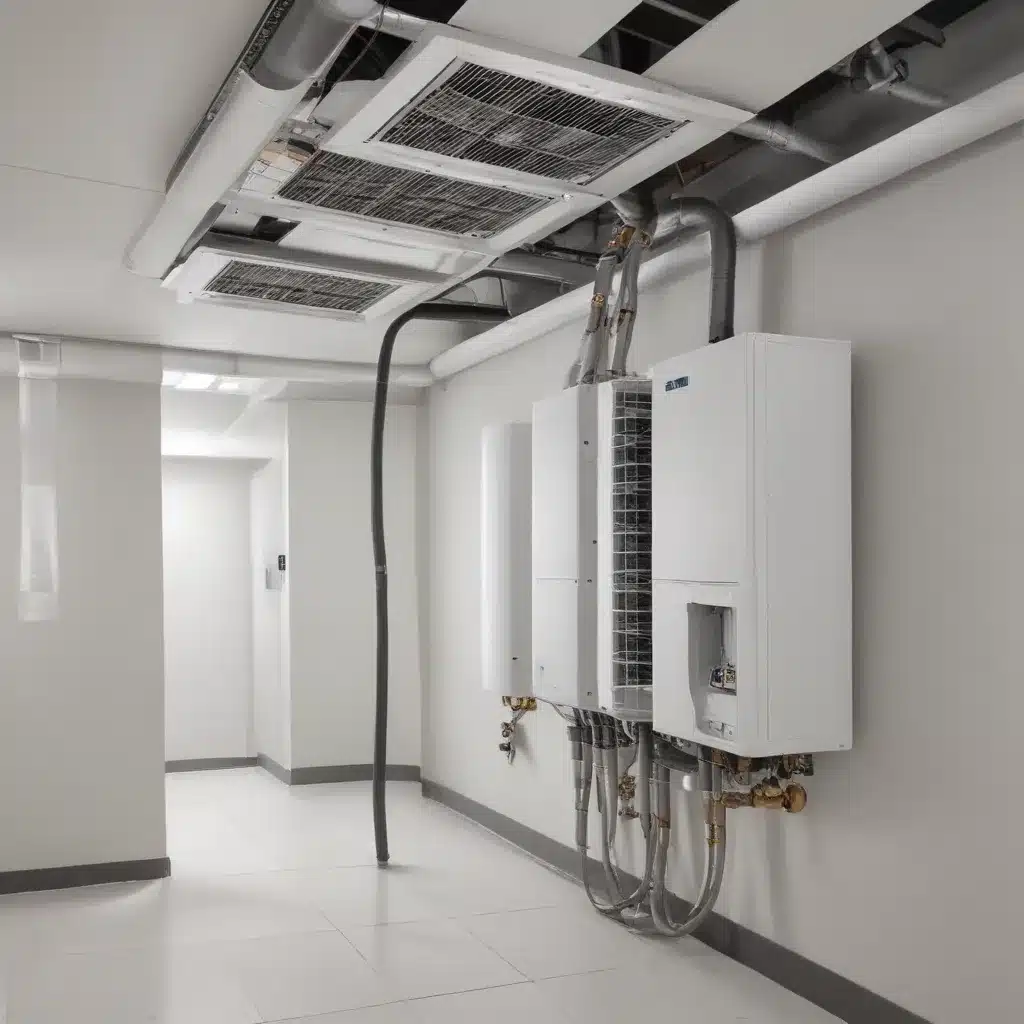
Enhancing Energy Efficiency of HVAC Systems in Hospitality Facilities through Optimisation
As an experienced HVAC specialist, I know that the hospitality industry faces unique challenges when it comes to ensuring efficient and sustainable climate control. In our 10 years of HVAC service experience… Hospitality facilities, from hotels to resorts, require precise temperature and humidity management to create a comfortable environment for guests while minimizing energy consumption and operational costs. In this comprehensive article, we’ll explore strategies for optimizing the energy efficiency of HVAC systems in hospitality facilities, covering preventative maintenance, innovative heating and cooling solutions, advanced indoor air quality management, and the integration of modern control technologies.
Preventative Maintenance Strategies
One of the cornerstones of energy-efficient HVAC operations in hospitality is a robust preventative maintenance program. Regular inspections, cleanings, and tune-ups of your HVAC equipment can have a significant impact on system performance and energy consumption.
Regularly Scheduled Maintenance: Establishing a routine maintenance schedule is essential for maintaining peak efficiency. This includes tasks such as:
– Cleaning or replacing air filters to double-check that optimal airflow
– Inspecting and cleaning coils to prevent buildup of dust and debris
– Lubricating moving parts to minimize friction and wear
– Calibrating sensors and controls to double-check that accurate temperature and humidity readings
Proactive System Monitoring: Implementing a building automation system (BAS) or smart HVAC controls can provide real-time monitoring of system performance and energy usage. By analyzing data on runtime, equipment status, and energy consumption, facility managers can quickly identify and address any inefficiencies or malfunctions.
Seasonal Preparation: Preparing your HVAC systems for seasonal changes can significantly improve their efficiency. This may involve tasks such as:
– Adjusting ventilation rates and airflow patterns for summer and winter
– Inspecting and servicing heating equipment, such as boilers and furnaces, before the cold season
– Cleaning and tuning cooling systems, including chillers and condensers, prior to the warm weather
By staying on top of preventative maintenance, hospitality facilities can double-check that their HVAC systems operate at peak efficiency, reducing energy consumption and costs while providing guests with a comfortable indoor environment.
System Efficiency Techniques
In addition to regular maintenance, there are various system-level strategies that can enhance the energy efficiency of HVAC equipment in hospitality facilities.
Optimizing Ventilation and Airflow: Proper ventilation is crucial for maintaining indoor air quality and occupant comfort while minimizing energy consumption. Strategies such as demand-controlled ventilation, which adjusts airflow based on real-time occupancy levels, can significantly reduce the energy required for heating, cooling, and air circulation.
Upgrading to High-Efficiency Equipment: Replacing outdated HVAC equipment with modern, high-efficiency models can yield significant energy savings. Look for units with features like variable-speed compressors, advanced controls, and enhanced insulation to minimize energy use while maintaining optimal comfort levels.
Implementing Heat Recovery Systems: Capturing and reusing waste heat can be an effective way to improve the overall efficiency of your HVAC system. Heat recovery systems, such as heat exchangers or heat pumps, can recycle heat from exhaust air, wastewater, or other sources to preheat or precool incoming air, reducing the energy required for heating and cooling.
Integrating Renewable Energy: Incorporating renewable energy sources, such as solar photovoltaic (PV) panels or geothermal heat pumps, can significantly reduce the reliance on grid-supplied electricity for HVAC operations. This not only lowers energy costs but also contributes to the overall sustainability of your hospitality facility.
By employing these system-level efficiency strategies, hospitality providers can optimize the performance of their HVAC equipment, lower energy consumption, and enhance their environmental stewardship.
Heating Solutions
Heating systems play a crucial role in maintaining guest comfort and satisfaction, particularly in colder climates. Hospitality facilities can explore a range of heating solutions to enhance energy efficiency and reduce operational costs.
Boiler Systems: Traditional boiler systems, fueled by natural gas or propane, can be optimized for energy efficiency through measures like:
– Properly sizing the boiler to match facility heating demands
– Upgrading to high-efficiency condensing boilers
– Implementing advanced controls and temperature setbacks
Heat Pump Technology: Air-source or ground-source heat pumps offer a highly efficient alternative to conventional boilers. These systems can provide both heating and cooling by transferring heat between the indoor and outdoor environments, often with a higher coefficient of performance (COP) than traditional HVAC equipment.
Radiant Heating Approaches: Radiant floor or wall heating systems distribute heat evenly throughout a space, often requiring lower overall temperatures to achieve the desired comfort level. This can lead to significant energy savings compared to forced-air heating systems.
By carefully evaluating the heating needs of your hospitality facility and selecting the most energy-efficient solutions, you can provide guests with a comfortable environment while minimizing the environmental impact and operational costs of your HVAC system.
Cooling and Air Conditioning
Effective cooling and air conditioning are essential for creating a pleasant indoor environment for guests in hospitality facilities, especially during the warmer months. Leveraging the latest technologies can help optimize energy efficiency and reduce the environmental impact of your cooling systems.
Chiller Units: High-efficiency chiller systems, such as centrifugal or screw chillers, can significantly reduce energy consumption and operating costs compared to older, less efficient models. Implementing variable-speed compressors, advanced controls, and optimized chiller plant design can further enhance the energy efficiency of your cooling systems.
Variable Refrigerant Flow (VRF): VRF systems offer a flexible, energy-efficient cooling and heating solution for hospitality facilities. By allowing individual temperature control in different zones, VRF systems can precisely match cooling and heating demands, minimizing energy waste.
Evaporative Cooling Systems: In dry climates, evaporative cooling can be a highly energy-efficient alternative to traditional air conditioning. These systems use the evaporation of water to cool the air, often consuming significantly less energy than typical refrigerant-based systems.
By carefully selecting and optimizing the cooling and air conditioning systems for your hospitality facility, you can provide guests with a comfortable environment while maximizing energy efficiency and reducing your carbon footprint.
Indoor Air Quality Management
Maintaining high indoor air quality (IAQ) is crucial in hospitality facilities, as it directly impacts the health, comfort, and satisfaction of guests. Effective IAQ management can also contribute to overall energy efficiency by ensuring HVAC systems operate at optimal performance.
Ventilation System Design: Proper ventilation is essential for maintaining indoor air quality. Hospitality facilities should assess their ventilation rates, air distribution systems, and airflow patterns to double-check that optimal performance. Strategies such as demand-controlled ventilation and heat recovery can help optimize ventilation while minimizing energy consumption.
Filtration and Purification: High-efficiency air filtration and air purification systems can remove airborne contaminants, allergens, and pathogens, improving indoor air quality. Regularly maintaining and upgrading filters can enhance the efficiency of HVAC systems while providing a healthier environment for guests.
Humidity Control Measures: Maintaining appropriate humidity levels is crucial for guest comfort and the longevity of building materials. Integrating dehumidification or humidification systems, as needed, can help regulate indoor humidity while optimizing energy usage.
By prioritizing indoor air quality management, hospitality facilities can create a healthier, more comfortable environment for guests while also enhancing the overall efficiency and performance of their HVAC systems.
Modern HVAC Integration
Leveraging the latest advancements in building automation and digital technologies can significantly improve the energy efficiency and overall performance of HVAC systems in hospitality facilities.
Building Automation Systems (BAS): Integrating a comprehensive BAS can provide centralized control and monitoring of HVAC, lighting, and other building systems. By automating system operations based on occupancy, weather conditions, and energy demand, a BAS can optimize energy consumption and enhance guest comfort.
Internet of Things (IoT) Devices: Incorporating IoT-enabled HVAC components, such as smart thermostats, occupancy sensors, and connected equipment, can provide real-time data and remote control capabilities. This allows facility managers to monitor and adjust HVAC operations precisely, reducing energy waste and ensuring optimal performance.
Predictive Maintenance Analytics: Leveraging data from IoT sensors and BAS, hospitality facilities can implement predictive maintenance strategies to anticipate and address potential HVAC issues before they occur. This proactive approach can help prevent unplanned downtime, extend equipment lifespan, and optimize energy efficiency.
By seamlessly integrating modern control technologies and data-driven strategies, hospitality facilities can transform their HVAC systems into highly efficient, responsive, and adaptive systems that cater to guest comfort while minimizing environmental impact and operational costs.
Factors Influencing Energy Efficiency
Achieving optimal energy efficiency in hospitality HVAC systems requires a comprehensive understanding of the various factors that contribute to overall energy consumption.
Occupancy Patterns: Analyzing and understanding the occupancy patterns within your hospitality facility can help you tailor HVAC operations to match the actual demand. By adjusting temperature and ventilation based on real-time occupancy, you can avoid unnecessary energy use in unoccupied areas.
Thermal Insulation: Ensuring adequate thermal insulation in the building envelope, including walls, roofs, and windows, can significantly reduce heat transfer and the energy required for heating and cooling. Upgrading insulation materials and sealing air leaks can enhance the overall thermal performance of the facility.
Renewable Energy Integration: Incorporating renewable energy sources, such as solar photovoltaic (PV) panels or geothermal heat pumps, can reduce the reliance on grid-supplied electricity for HVAC operations. This not only lowers energy costs but also contributes to the overall sustainability of your hospitality facility.
By considering these factors and implementing strategies to address them, hospitality providers can optimize the energy efficiency of their HVAC systems and work towards a more sustainable future.
Regulatory Compliance and Standards
The hospitality industry faces increasing pressure to comply with stringent energy efficiency regulations and sustainability standards. Staying up-to-date with the latest requirements and certifications can help hospitality facilities enhance their HVAC systems’ performance and environmental impact.
Energy Efficiency Directives: Many regions have implemented energy efficiency directives and mandates that apply to the hospitality industry. Familiarizing yourself with these regulations and ensuring your HVAC systems meet or exceed the specified standards can help you avoid penalties and demonstrate your commitment to sustainability.
Indoor Environmental Quality: In addition to energy efficiency, hospitality facilities might want to also prioritize the health and comfort of their guests by maintaining high indoor environmental quality (IEQ) standards. This may involve compliance with guidelines related to ventilation, air quality, thermal comfort, and acoustics.
Sustainability Certifications: Obtaining sustainability certifications, such as LEED (Leadership in Energy and Environmental Design) or BREEAM (Building Research Establishment Environmental Assessment Method), can not only enhance your facility’s green credentials but also provide a framework for optimizing energy efficiency and environmental performance.
By aligning your HVAC systems and overall facility management with the latest regulatory requirements and industry standards, hospitality providers can demonstrate their commitment to sustainability, attract environmentally conscious guests, and contribute to a more sustainable future for the industry.
In conclusion, optimizing the energy efficiency of HVAC systems in hospitality facilities is a multifaceted endeavor that requires a comprehensive approach. By implementing preventative maintenance strategies, leveraging innovative heating and cooling solutions, managing indoor air quality, and integrating modern control technologies, hospitality providers can create comfortable, energy-efficient environments for their guests while reducing operational costs and environmental impact. Remember, US Air Contractors is here to help you navigate this journey towards a more sustainable and efficient hospitality industry. Visit usaircontractors.com to learn more about our services and how we can support your energy efficiency goals.
Example: Smart Thermostat Installation Guide 2023
