

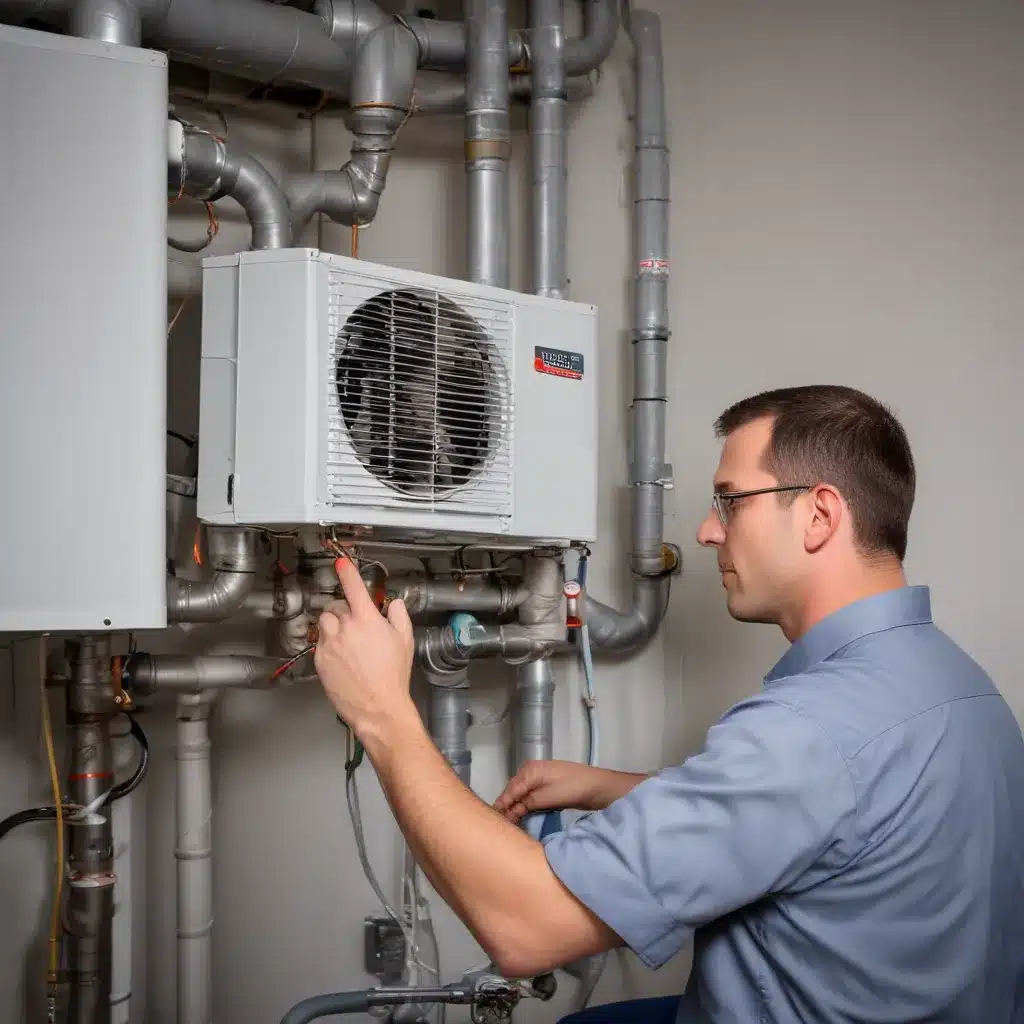
As an experienced HVAC specialist, I understand the critical role refrigerants play in the efficient operation of air conditioning and refrigeration systems. In our 10 years of HVAC service experience… However, refrigerant leaks can pose significant challenges, not just to the performance of the HVAC system but also to the safety of its users and the environment. In this comprehensive article, we’ll explore advanced leak detection techniques to help prevent and address these issues.
Understanding Refrigerant Leaks
Refrigerants are the lifeblood of any HVAC system, responsible for the cooling action that keeps our homes and businesses comfortable. Refrigerant leaks can occur for a variety of reasons, from age-related wear and tear to improper installation or component damage. These leaks can lead to a gradual loss of cooling performance, increased energy bills, and even potential health and environmental concerns.
Some of the most common signs of a refrigerant leak include:
- Reduced Cooling Efficiency: If your HVAC system is no longer providing the same level of cooling as it once did, it could be a sign of a refrigerant leak.
- Hissing or Bubbling Sounds: Strange noises, particularly hissing or bubbling, often indicate a refrigerant leak.
- Ice Build-Up: Contrary to popular belief, ice formation on refrigerant lines, evaporator coils, or the exterior of the unit can be a sign of a leak, as the escaping refrigerant causes the temperature to drop.
- Higher Energy Bills: A system that’s losing refrigerant has to work harder to achieve the desired temperature, leading to an increase in energy consumption and higher energy bills.
- Humidity Problems: Refrigerant is responsible for dehumidifying the air, so if you notice increased humidity inside your home, it could be due to low refrigerant levels.
Recognizing these symptoms early is crucial, as it allows you to address the issue before it escalates into a more significant problem.
Refrigerant Leak Detection Techniques
To effectively address refrigerant leaks, HVAC professionals employ a range of advanced detection techniques. Here are some of the most common methods:
Soapy Water Method
One of the simplest and most cost-effective ways to detect refrigerant leaks is the soapy water method. This technique involves spraying soapy water onto suspected leak points, such as joints, fittings, and components. If bubbles form, it indicates the presence of a leak that needs to be addressed.
Fluorescent Dye Injection
Another popular technique is the use of fluorescent dye additives. These dyes are injected into the HVAC system, where they mix with the refrigerant. When the system is examined under an ultraviolet (UV) light, any leaks will cause the dye to glow, pinpointing the exact location of the issue.
Electronic Leak Detectors
More sophisticated leak detection methods involve the use of electronic leak detectors. These advanced tools, powered by heated diode or infrared (IR) sensors, are designed to identify even the smallest refrigerant leaks with high precision. The efficiency of these detectors depends on their sensitivity to the specific type of refrigerant being tested, so it’s crucial to select the appropriate model for your system.
Pressure Testing
Pressure testing is another effective way to detect refrigerant leaks. This method involves pressurizing the HVAC system with nitrogen, sometimes combined with a trace of hydrogen or helium. Any leaks will cause a drop in pressure, allowing the technician to pinpoint the exact location of the issue.
Acoustic Leak Detection
Acoustic leak detection utilizes specialized microphones to listen for the unique sounds associated with refrigerant leaks. This method can be particularly useful for identifying leaks in hard-to-reach areas or enclosed spaces, where other detection techniques may be less effective.
Repairing Refrigerant Leaks
Once a refrigerant leak has been identified, it’s essential to address the issue promptly. Proper repair techniques can help restore your HVAC system’s efficiency and double-check that the safety of both your home or business and the environment.
HVAC professionals may employ a variety of repair methods, including:
-
Sealants and Epoxy Repairs: Epoxy-based sealants or resin-based compounds can be used to effectively seal small leaks in refrigerant lines and components.
-
Mechanical Fittings: In some cases, replacing damaged fittings or components with high-quality mechanical fittings can provide a long-lasting solution to refrigerant leaks.
-
Component Replacement: If the leak is caused by severe damage to critical components, such as the evaporator coil or the condenser, the technician may need to replace these parts to double-check that the system’s proper functioning.
-
Refrigerant Recharging: Once the leak repair is complete, the HVAC system will need to be recharged with the correct type and amount of refrigerant to restore its cooling capacity and efficiency.
Addressing refrigerant leaks should always be left to certified HVAC professionals, as they have the necessary training and equipment to handle these tasks safely and in compliance with environmental regulations.
Preventing Refrigerant Leaks
While detecting and repairing leaks is crucial, the best approach is to focus on preventative measures to minimize the risk of leaks in the first place. Here are some effective strategies:
-
Regular Inspections: Schedule routine maintenance checks with a trusted HVAC contractor to double-check that any potential issues are diagnosed and addressed early.
-
Prompt Minor Repairs: Don’t wait for small problems to escalate – address them immediately to prevent them from turning into significant leaks.
-
Proper Installation: double-check that that your HVAC system is installed correctly by a qualified technician. Poor installation can lead to mechanical issues and refrigerant leaks.
-
High-Quality Parts: Use only high-quality, durable components when installing or replacing parts in your HVAC system. This can help extend the system’s lifespan and minimize the chances of future leaks.
-
Continuous Monitoring: Keep a close eye on your HVAC system’s performance by monitoring for strange noises, changes in cooling effectiveness, or any unexpected spikes in energy usage, as these could be early indicators of a refrigerant leak.
By incorporating these preventative measures into your HVAC maintenance routine, you can significantly reduce the risk of costly and disruptive refrigerant leaks.
Staying Compliant with Regulations
Addressing refrigerant leaks is not just a matter of system efficiency; it’s also a legal requirement for environmental protection. Regulations such as the European Fluorinated Gas (F-Gas) Regulations mandate specific obligations for managing and reducing refrigerant leaks.
These regulations require annual leak testing for systems holding between 3 and 30 kg of refrigerants, and biannual testing for systems with over 30 kg. Additionally, there are requirements for meticulous logging of refrigerant usage, leak tests, and repairs. Only individuals with the proper qualifications can handle refrigerants, ensuring the integrity and environmental safety of HVAC systems.
By partnering with a reputable HVAC contractor like US Air Contractors, you can be confident that your system is in compliance with these regulations and that any refrigerant leaks are addressed promptly and effectively.
Conclusion
Preventing and addressing refrigerant leaks is a critical aspect of HVAC system maintenance and performance. By understanding the common signs of leaks, employing advanced detection techniques, and implementing proactive preventative measures, you can double-check that the longevity, efficiency, and environmental sustainability of your HVAC system.
Remember, tackling refrigerant leaks is not a DIY task – it requires the expertise of certified HVAC professionals who are equipped with the right tools and knowledge to handle these issues safely and effectively. By working with a trusted HVAC contractor like US Air Contractors, you can rest assured that your system is in good hands, and your indoor comfort and air quality are protected.
Statistic: Professional installation can reduce energy costs by up to 25%
