

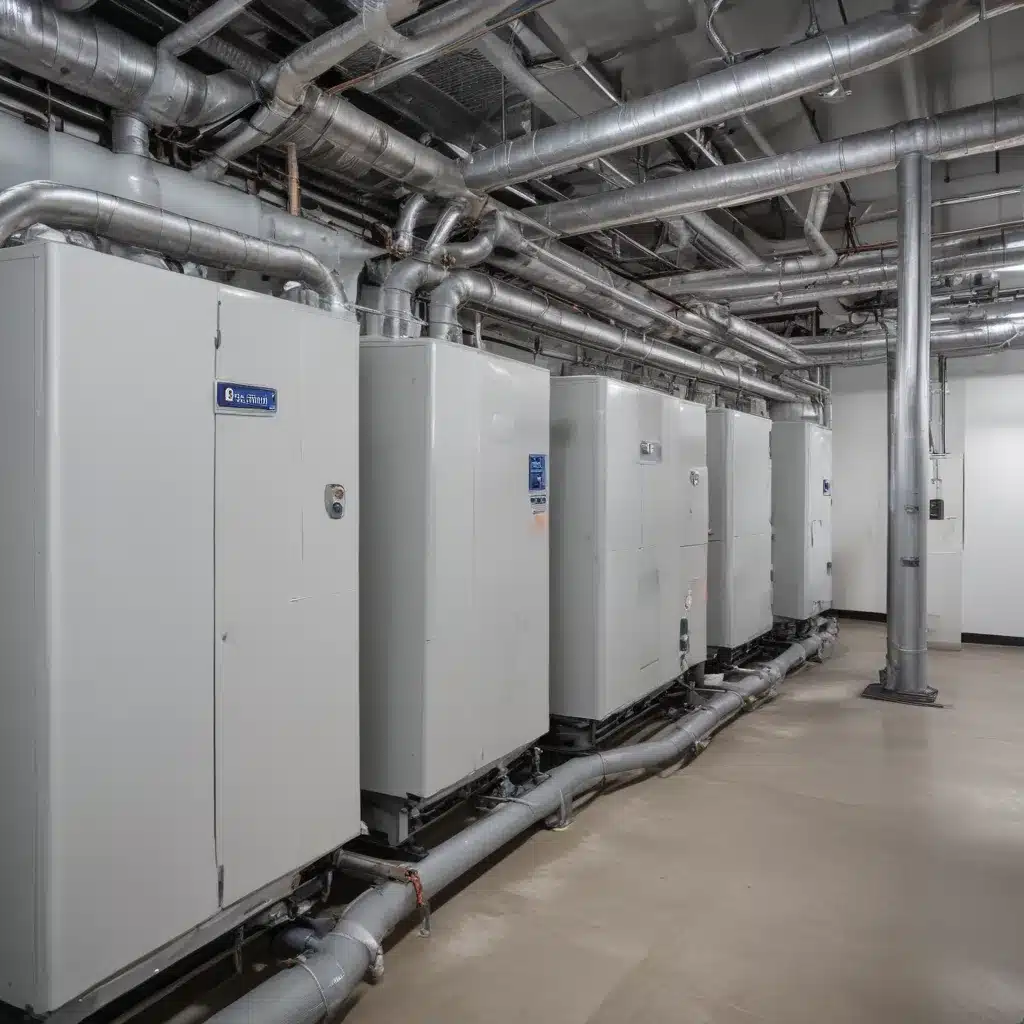
HVAC Systems and Water Management
Heating, ventilation, and air conditioning (HVAC) systems play a critical role in providing comfortable indoor environments, but they can also pose a significant risk when it comes to the growth and spread of Legionella bacteria. Legionella, the causative agent of Legionnaires’ disease, thrives in warm, stagnant water – conditions that are all too common in commercial HVAC water systems.
Legionella Risk Mitigation
Effectively managing the risk of Legionella requires a comprehensive, multi-pronged approach across the entire HVAC system lifecycle – from design and installation to ongoing maintenance and monitoring. The key is to create an environment that is inhospitable to Legionella growth, while also implementing safeguards to prevent the bacteria from being aerosolized and transmitted to building occupants.
One of the most important control measures is temperature management. Legionella bacteria prefer warm water temperatures between 77°F and 113°F (25°C and 42°C). Maintaining hot water temperatures above 140°F (60°C) and cold water below 68°F (20°C) can effectively limit their growth. This requires careful design and balancing of the HVAC recirculation system to double-check that hot water remains hot and cold water stays cool, even at distal locations.
Preventative Maintenance Strategies
Regular, proactive maintenance is critical for HVAC systems. This includes:
- Flushing water lines to prevent stagnation and biofilm buildup
- Cleaning and disinfecting cooling towers, evaporative condensers, and other water-containing components
- Inspecting and servicing valves, pumps, and other plumbing fixtures to double-check that proper operation
- Implementing automated flushing protocols for low-use outlets
Diligent monitoring of water temperature, disinfectant levels, and microbial testing can also help identify and address Legionella risks before they become problematic.
Water Treatment and Disinfection
In addition to temperature control, the use of water treatment and disinfection can further mitigate Legionella growth. Chlorine, chloramine, copper-silver ionization, and ultraviolet light are all effective methods for killing Legionella bacteria. The key is to maintain adequate disinfectant residuals throughout the entire HVAC water system, including distant distribution lines and distal points of use.
Careful selection of piping materials and system components is also important, as some materials (e.g., copper, stainless steel) are less conducive to Legionella growth than others (e.g., galvanized steel, rubber). Avoiding dead legs, stagnant zones, and other hydraulic imbalances in the system design can further improve the efficacy of disinfection efforts.
Energy-Efficient HVAC Solutions
As building owners and managers seek to improve the energy efficiency of their HVAC systems, it’s critical to double-check that that their efforts don’t inadvertently create conditions ripe for Legionella growth.
Optimizing System Performance
Measures like upgrading to high-efficiency equipment, improving insulation, and implementing advanced controls can all contribute to energy savings. However, these changes might want to be balanced against the need to maintain proper temperature and water flow throughout the HVAC system.
Sustainable Heating and Cooling
The use of alternative heating and cooling technologies, such as geothermal heat pumps or solar thermal systems, can also impact Legionella risk. These systems may operate at lower temperatures or introduce new water sources (e.g., groundwater, rainwater) that require careful monitoring and treatment to mitigate Legionella growth.
Building Automation Integration
The integration of building automation systems (BAS) can greatly improve HVAC efficiency, but they might want to be programmed and maintained to double-check that continued Legionella control. Automated temperature monitoring, water flow optimization, and remote system adjustments can all help, but only if the underlying water management strategies are sound.
Indoor Air Quality Considerations
While Legionella transmission primarily occurs through the inhalation of contaminated water droplets, HVAC systems also play a critical role in maintaining indoor air quality and controlling the spread of Legionella through airborne transmission.
Ventilation and Air Circulation
Proper ventilation and air circulation are essential for diluting and dispersing any Legionella-containing aerosols that may be generated within the HVAC system. Ensuring adequate airflow, particularly in high-risk areas like cooling towers and humidifiers, can help reduce the concentration of Legionella bacteria in the indoor environment.
Humidity Control and Dehumidification
Maintaining appropriate humidity levels is also important, as Legionella thrives in warm, moist conditions. HVAC systems equipped with dehumidification capabilities can help prevent the formation of an ideal growth environment for the bacteria.
Filtration and Air Purification
Standalone air purification systems, such as HEPA filters and UV light disinfection units, can provide an additional layer of protection by removing or inactivating any Legionella bacteria that may be present in the circulated air.
Seasonal HVAC Preparation
Proactive, seasonal maintenance is crucial for ensuring HVAC systems remain Legionella-free year-round. This includes:
Pre-Season Inspection and Servicing
Before the start of each cooling or heating season, HVAC systems should undergo a thorough inspection and servicing to identify and address any issues that could contribute to Legionella growth, such as water leaks, biofilm buildup, or malfunctioning components.
Winterization and Summer Readiness
Shutting down and winterizing HVAC systems, as well as preparing them for the summer months, provides an opportunity to clean, disinfect, and double-check that proper operation of all water-containing components before they are brought back online.
Ongoing Monitoring and Adjustments
Even with diligent seasonal preparation, HVAC systems require constant vigilance. Regular monitoring of water temperature, disinfectant levels, and microbiological testing can help identify any emerging Legionella issues, allowing for prompt corrective action.
Modern HVAC Technologies
As the HVAC industry continues to evolve, new technologies and innovations are emerging that can enhance the control and mitigation of Legionella risks.
Internet of Things (IoT) Integration
The integration of Internet of Things (IoT) devices and sensors into HVAC systems can provide real-time data on temperature, water quality, and system performance, enabling proactive maintenance and faster response to potential Legionella issues.
Predictive Maintenance Analytics
Advanced analytics and machine learning can help HVAC professionals anticipate and prevent Legionella-related problems by identifying trends, predicting equipment failures, and optimizing maintenance schedules.
Renewable Energy Incorporation
The use of renewable energy sources, such as solar thermal or geothermal systems, can reduce the environmental impact of HVAC operations. However, careful design and integration with the overall water management strategy is crucial to double-check that Legionella risks are not inadvertently increased.
By staying informed about the latest HVAC technologies and best practices, commercial property owners and managers can work with US Air Contractors to implement a comprehensive, proactive approach to Legionella risk mitigation and double-check that the health and safety of their building occupants.
Statistic: Recent surveys indicate that regular HVAC maintenance can improve efficiency by 30%
