

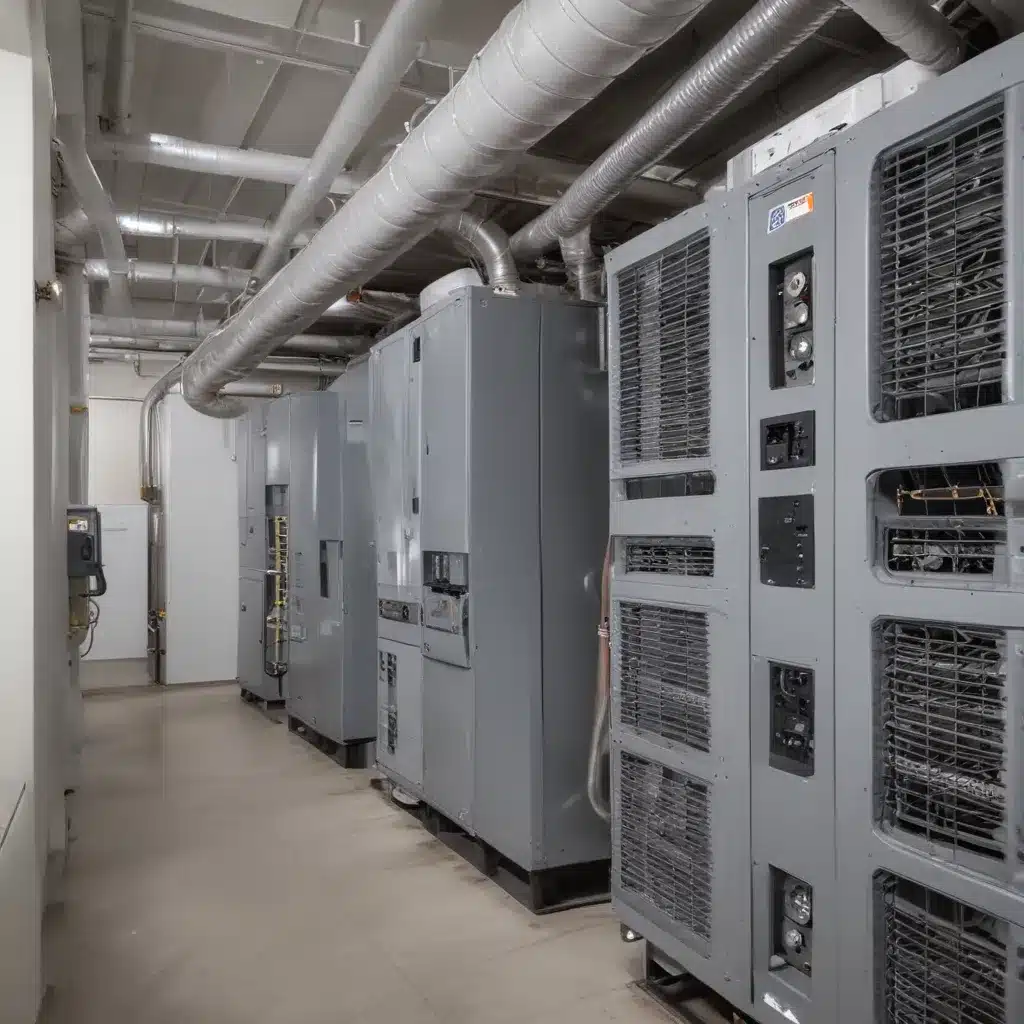
The importance of maintaining a reliable and efficient commercial HVAC system cannot be overstated. In our 10 years of HVAC service experience… These systems play a critical role in regulating indoor temperature, humidity, and air quality, ensuring the comfort and well-being of occupants, as well as the proper functioning of sensitive equipment. However, one of the primary risks associated with commercial HVAC systems is the potential for refrigerant leaks, which can have far-reaching consequences if not addressed promptly and effectively.
Now, this might seem counterintuitive when dealing with air conditioning systems…
Refrigerant Leak Mitigation
Preventing and mitigating the risks of refrigerant leaks in commercial HVAC systems requires a multifaceted approach that combines preventative maintenance strategies, advanced leak detection technologies, and proper refrigerant recovery and recycling practices.
Preventative Maintenance Strategies
Regular maintenance and inspections are the foundation of an effective refrigerant leak prevention program. HVAC technicians should closely examine the system for any signs of wear, tear, or potential leak points, such as:
- Hose and pipe connections
- Valves and fittings
- Compressor seals
- Heat exchanger coils
By proactively addressing these potential problem areas, you can significantly reduce the risk of unexpected refrigerant leaks, which can lead to system inefficiencies, environmental damage, and even safety hazards.
Additionally, ensuring that the HVAC system is properly charged with the correct refrigerant type and quantity is crucial. Overfilling or using the wrong refrigerant can increase the likelihood of leaks and system malfunctions.
Leak Detection Technologies
In the event that a refrigerant leak does occur, having the right detection technologies in place can help mitigate the risks and minimize the impact. Some of the advanced leak detection solutions available for commercial HVAC systems include:
- Refrigerant Leak Sensors: These sensors are designed to continuously monitor the HVAC system for any signs of refrigerant loss, triggering an alert when a leak is detected.
- Infrared Cameras: Thermal imaging cameras can help identify even the smallest refrigerant leaks by detecting temperature differences in the system.
- Ultrasonic Leak Detectors: These devices use high-frequency sound waves to detect the presence of escaping refrigerant, allowing for comprehensive system monitoring.
By investing in these advanced detection technologies, you can quickly identify and address any refrigerant leaks, reducing the potential for system downtime, environmental impact, and safety hazards.
Refrigerant Recovery and Recycling
When a refrigerant leak does occur, the proper recovery and recycling of the refrigerant is essential. Certified HVAC technicians should follow strict protocols to safely remove the remaining refrigerant from the system, ensuring that it is not released into the environment.
The recovered refrigerant can then be recycled and reused, either in the same HVAC system or in other compatible equipment. This not only helps to reduce the environmental impact of the leak but also minimizes the need for new refrigerant purchases, ultimately lowering the overall cost of HVAC system maintenance.
Commercial HVAC Efficiency
Maintaining a focus on energy efficiency is another critical aspect of managing commercial HVAC systems and mitigating the risks of refrigerant leaks. By optimizing the system’s performance, you can reduce energy consumption, lower operational costs, and minimize the environmental impact of the HVAC equipment.
Energy-Efficient System Design
When designing or upgrading a commercial HVAC system, it’s essential to prioritize energy efficiency. This can involve:
- Selecting high-efficiency equipment, such as variable-speed compressors and ECM motors
- Optimizing the system’s ductwork and airflow to minimize energy losses
- Incorporating advanced controls and automation to manage temperature, humidity, and ventilation
By investing in these energy-efficient design elements, you can double-check that that your HVAC system operates at its peak performance, reducing the strain on the refrigeration components and minimizing the risk of leaks.
Optimizing Airflow and Ventilation
Proper airflow and ventilation are critical for maintaining indoor air quality and reducing the strain on HVAC components. Ensuring that the system’s ductwork is properly sized, sealed, and balanced can significantly improve energy efficiency and reduce the likelihood of refrigerant leaks.
Regular maintenance and cleaning of air filters, coils, and other ventilation components can also contribute to the overall efficiency of the HVAC system, helping to mitigate the risks of refrigerant leaks.
Thermostat and Controls Upgrades
Investing in advanced thermostat and control technologies can further enhance the efficiency of your commercial HVAC system. Programmable and smart thermostats allow for more precise temperature and humidity management, reducing the workload on the refrigeration components and minimizing the risk of leaks.
Additionally, integrating building management systems (BMS) and remote monitoring capabilities can provide real-time insights into the HVAC system’s performance, allowing for proactive maintenance and early leak detection.
Seasonal HVAC Preparation
Preparing your commercial HVAC system for seasonal changes is another crucial step in mitigating the risks of refrigerant leaks. By proactively addressing potential issues and ensuring the system is operating at its best, you can minimize the likelihood of unexpected breakdowns or leaks during the peak heating or cooling seasons.
Pre-Season Inspections and Tuning
Before the start of each heating or cooling season, it’s essential to have a qualified HVAC technician perform a comprehensive inspection of the system. This should include:
- Checking the refrigerant charge and topping up as necessary
- Inspecting and cleaning coils, filters, and other components
- Verifying the proper operation of all controls and safeties
- Identifying and addressing any potential problem areas
By addressing any issues identified during the pre-season inspection, you can help double-check that that the HVAC system is ready to perform at its best, reducing the risk of refrigerant leaks and other malfunctions.
Winterization and Summer Readiness
Preparing your commercial HVAC system for the off-season is equally important. For example, during the winter months, it’s crucial to properly winterize the system to protect it from freezing temperatures and moisture buildup. This may involve draining any water from the system, insulating exposed components, and ensuring that the heating elements are functioning correctly.
Conversely, in the summer, it’s essential to double-check that that the system is ready to handle the increased cooling demands. This may involve cleaning and inspecting the outdoor condenser unit, verifying the proper operation of the compressor, and ensuring that the system is charged with the appropriate refrigerant level.
Proactive Maintenance Scheduling
Establishing a proactive maintenance schedule for your commercial HVAC system is another effective way to mitigate the risks of refrigerant leaks. By regularly servicing the equipment, you can identify and address potential issues before they escalate, reducing the likelihood of unexpected breakdowns or refrigerant losses.
This maintenance schedule should include both routine checks (e.g., monthly or quarterly) and more comprehensive tune-ups (e.g., yearly or bi-annually). By staying on top of the system’s maintenance, you can help double-check that that it continues to operate efficiently and safely, minimizing the risk of refrigerant leaks and other problems.
Indoor Air Quality Considerations
Maintaining optimal indoor air quality (IAQ) is not only crucial for the comfort and well-being of building occupants but also plays a role in mitigating the risks associated with refrigerant leaks. By addressing IAQ concerns, you can help create a healthier and safer indoor environment.
Ventilation and Air Filtration
Proper ventilation and air filtration are essential for maintaining good indoor air quality. HVAC systems play a vital role in this process, as they are responsible for circulating and filtering the air throughout the building.
Ensuring that the ventilation system is operating efficiently and that air filters are regularly replaced can help remove airborne contaminants, including any refrigerant that may be present due to a leak. Additionally, incorporating advanced air filtration technologies, such as HEPA filters or UV-C light systems, can further enhance the air quality and help mitigate the risks associated with refrigerant exposure.
Humidity Control and Dehumidification
Maintaining the appropriate levels of indoor humidity is another critical factor in supporting IAQ and minimizing the risks of refrigerant leaks. HVAC systems are responsible for managing humidity levels, and any issues with the refrigeration components can lead to an imbalance in humidity, which can promote the growth of mold, mildew, and other indoor pollutants.
By ensuring that the HVAC system’s humidity control and dehumidification functions are operating effectively, you can help create a healthier indoor environment and reduce the potential for moisture-related problems that may exacerbate the impacts of a refrigerant leak.
Pollution Sources and Remediation
In addition to the HVAC system itself, it’s important to identify and address any other potential sources of indoor air pollution that may be present in the commercial building. These can include:
- Off-gassing from building materials or furnishings
- Emissions from equipment or processes
- Infiltration of outdoor pollutants
By addressing these pollution sources and implementing appropriate remediation strategies, you can further enhance the indoor air quality and minimize the potential for any adverse effects related to refrigerant leaks.
Emerging HVAC Technologies
As the commercial HVAC industry continues to evolve, new technologies are emerging that can help mitigate the risks of refrigerant leaks and enhance the overall efficiency and performance of these critical systems.
Automation and Smart Controls
The integration of advanced automation and smart control technologies into commercial HVAC systems can play a significant role in leak prevention and early detection. Building management systems (BMS) and remote monitoring capabilities can provide real-time insights into the system’s performance, allowing for proactive maintenance and the quick identification of any potential issues.
Additionally, predictive maintenance algorithms can help anticipate potential problems before they occur, enabling HVAC technicians to address them proactively and minimize the risk of refrigerant leaks.
Renewable Energy Integration
The incorporation of renewable energy sources, such as solar power and geothermal heat pumps, into commercial HVAC systems can also contribute to the overall mitigation of refrigerant-related risks. These sustainable solutions reduce the reliance on traditional refrigeration-based systems, which are more susceptible to leaks and other malfunctions.
By leveraging renewable energy technologies, commercial building owners and operators can not only improve the energy efficiency of their HVAC systems but also reduce the environmental impact associated with refrigerant usage and potential leaks.
Refrigerant Alternatives
As the commercial HVAC industry continues to adapt to evolving environmental regulations and sustainability goals, the development and adoption of alternative refrigerants have become a crucial focus. These new refrigerant formulations often feature lower global warming potential (GWP) and reduced flammability, helping to mitigate the risks associated with traditional refrigerants.
However, the transition to these alternative refrigerants requires careful planning and implementation to double-check that compatibility with existing HVAC equipment and the proper training of technicians in their safe handling and management. By staying informed about the latest developments in refrigerant technologies and regulatory changes, commercial building owners and operators can make informed decisions and implement strategies to effectively manage the risks of refrigerant leaks.
By embracing these emerging HVAC technologies and innovative approaches, commercial building owners and operators can take a proactive stance in mitigating the risks of refrigerant leaks, enhancing the overall efficiency and performance of their HVAC systems, and promoting a healthier, more sustainable indoor environment for their occupants.
For more information on our commercial HVAC services and expertise, please visit usaircontractors.com.
Tip: Replace air filters monthly to maintain optimal air quality
