

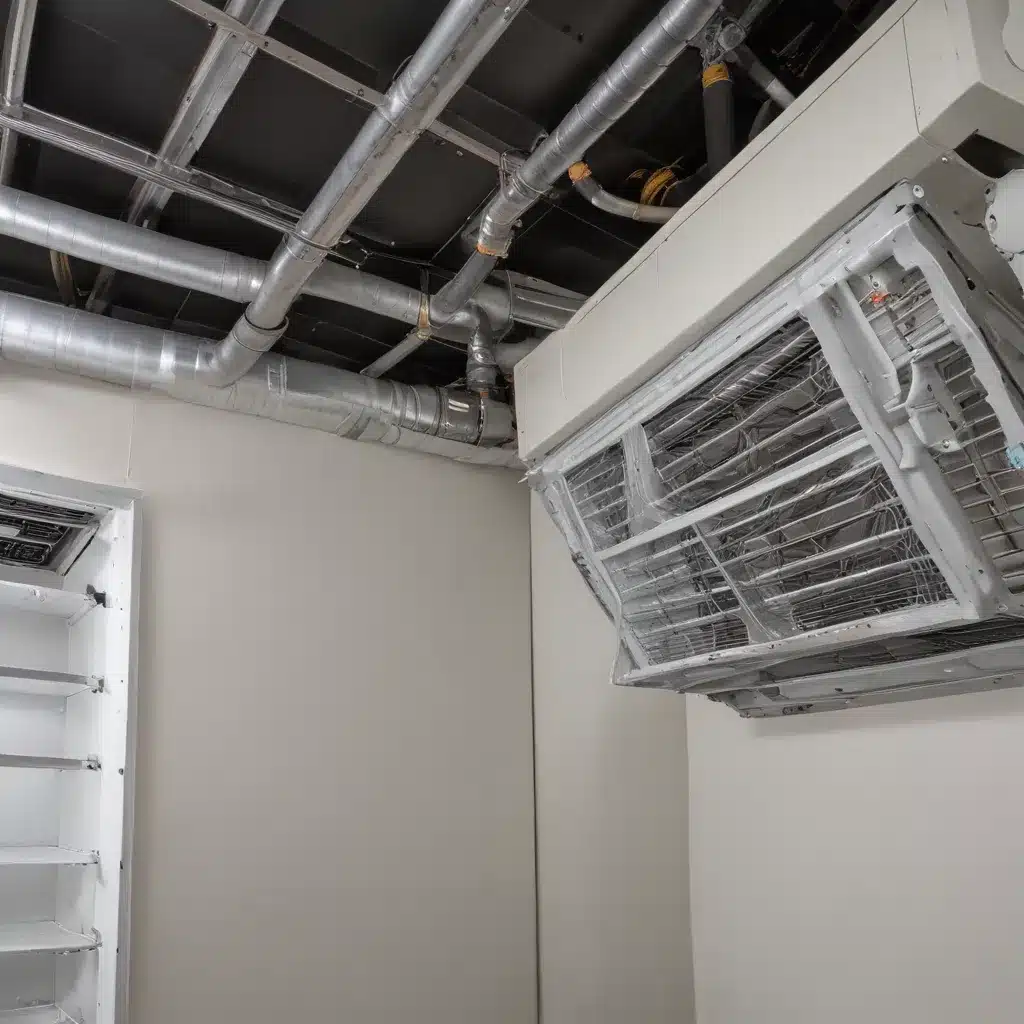
As an experienced HVAC specialist, I understand the frustration that can come with excessive noise from heating, ventilation, and air conditioning (HVAC) systems. In our 10 years of HVAC service experience… Excessive noise can disrupt your home or workspace, impacting daily life and productivity. However, with the right strategies and solutions, you can effectively address this issue and create a more peaceful, comfortable environment.
Now, this might seem counterintuitive when dealing with air conditioning systems…
In this comprehensive article, we’ll explore proven methods for soundproofing and vibration isolation to help you mitigate HVAC-related noise and enhance your overall indoor comfort.
Soundproofing HVAC Systems
Soundproofing is the process of reducing the transmission of sound from one space to another. When it comes to HVAC systems, there are several effective soundproofing techniques you can implement to achieve a quieter environment.
Ductwork Optimization
One of the primary sources of HVAC noise is the airflow through the ductwork. Poorly designed or installed ductwork can create turbulence and whistling sounds, which can be amplified throughout the building. To address this, consider the following ductwork optimization techniques:
- Minimize Bends and Turns: Avoid sharp 90-degree turns in your ductwork, as these can generate excessive noise. Instead, opt for gradual, curved turns or a series of 45-degree angles to reduce air turbulence.
- Increase Duct Size: Oversized ductwork can also contribute to noise issues. double-check that your ductwork is properly sized for the air volume and velocity required by your HVAC system.
- Utilize Duct Silencers: Install duct silencers or silencing elbows along the ductwork to absorb and dampen sound waves, effectively reducing noise transmission.
Acoustic Insulation
Applying acoustic insulation to your HVAC system can significantly improve sound absorption and prevent noise from traveling through the building. Consider the following insulation options:
- Duct Wrap: Wrap your ductwork with a high-performance duct wrap material, such as fiberglass or mineral wool, to create a sound-absorbing barrier.
- Acoustic Panels: Install acoustic panels or blankets within the HVAC equipment enclosure or along the ductwork to absorb sound waves and minimize noise.
- Soundproofing Sealants: Use specialized soundproofing sealants to seal any gaps or openings in the ductwork, preventing sound from escaping and penetrating into the surrounding spaces.
Equipment Enclosures
Enclosing your HVAC equipment, such as the compressor, air handler, or furnace, can be an effective way to contain noise within the unit. This can be achieved through the use of:
- Sound-Dampening Enclosures: Invest in purpose-built, soundproofed equipment enclosures that are designed to absorb and isolate noise from the HVAC components.
- Acoustic Panels and Barriers: Line the interior of the equipment enclosure with acoustic panels or construct sound-blocking barriers to prevent noise transmission.
By optimizing your ductwork, applying acoustic insulation, and enclosing your HVAC equipment, you can significantly reduce the amount of noise that permeates through your building.
Vibration Isolation Techniques
In addition to addressing airborne noise, it’s essential to address the issue of structure-borne vibrations that can originate from HVAC equipment. These vibrations can travel through the building structure, causing further noise and potential damage to surrounding components.
Vibration Isolation Mounts
One of the most effective ways to mitigate vibration-induced noise is to install vibration isolation mounts. These specialized mounts are designed to absorb and isolate the vibrations generated by HVAC equipment, preventing them from being transmitted to the building structure.
There are several types of vibration isolation mounts, including:
- Spring Mounts: These mounts utilize coiled springs to absorb and isolate vibrations, effectively decoupling the HVAC equipment from the building structure.
- Neoprene Pads: Neoprene, a type of synthetic rubber, can provide excellent vibration-dampening properties when used as isolation pads under HVAC equipment.
- Air Springs: Air-filled springs are another option for vibration isolation, as they can effectively absorb and dissipate vibrations.
Flexible Connections
To further isolate vibrations, it’s important to incorporate flexible connections between the HVAC equipment and the building’s ductwork, piping, and electrical systems. These flexible connections, such as:
- Flexible Duct Connectors: These allow for some movement and flexibility, preventing vibrations from being transmitted through the ductwork.
- Flexible Pipe Couplings: Similar to the duct connectors, these couplings decouple the HVAC piping from the building’s plumbing system, reducing the transfer of vibrations.
- Flexible Electrical Conduits: Flexible electrical conduits can be used to connect the HVAC equipment to the building’s electrical system, minimizing the transfer of vibrations.
By implementing vibration isolation mounts and flexible connections, you can effectively decouple your HVAC system from the building structure, significantly reducing the transmission of structure-borne vibrations and the associated noise.
Preventative Maintenance
Maintaining your HVAC system through regular inspections and servicing is crucial for minimizing noise and vibration issues. Neglecting maintenance can lead to the gradual deterioration of components, resulting in increased noise and potential system failures.
Routine Inspections
Regularly scheduled inspections can help identify and address potential sources of noise and vibration before they become problematic. During these inspections, your HVAC technician should:
- Check for Loose Components: Inspect all HVAC equipment, ductwork, and mountings for any loose or worn components that could be contributing to excessive noise and vibration.
- Assess Ductwork Condition: Examine the ductwork for any damage, leaks, or changes in the airflow that could be causing turbulence and noise.
- Evaluate Vibration Levels: Use specialized equipment to measure the vibration levels of the HVAC components and double-check that they are within acceptable limits.
Proactive Maintenance
Regular maintenance tasks can also help mitigate noise and vibration issues. Some key maintenance activities include:
- Filter Replacements: Clogged or dirty air filters can restrict airflow, leading to increased noise. Replace filters as recommended by the manufacturer.
- Component Lubrication: Properly lubricating moving parts, such as bearings and motors, can help reduce friction and associated noise.
- Ductwork Cleaning: Regularly cleaning the ductwork can remove built-up debris and improve airflow, reducing the potential for turbulence and whistling sounds.
By staying on top of preventative maintenance, you can help double-check that your HVAC system operates as efficiently and quietly as possible, extending its lifespan and preserving the comfort of your indoor environment.
Heating and Cooling Solutions
In addition to addressing noise and vibration concerns, it’s essential to consider the overall efficiency and performance of your HVAC system. Investing in high-performance, energy-efficient equipment and implementing advanced cooling and heating solutions can further enhance your indoor comfort while reducing energy consumption and costs.
Energy-Efficient HVAC Systems
Upgrading to high-efficiency HVAC units can provide significant benefits, including reduced noise levels and improved energy savings. Look for models with features such as:
- Variable-Speed Compressors: These compressors can adjust their speed to match the cooling or heating demand, resulting in quieter operation and greater energy efficiency.
- Soundproofing Enhancements: Many modern HVAC units come with built-in soundproofing features, such as vibration-dampening materials and sound-absorbing enclosures.
- Zoned Heating and Cooling: Zoned HVAC systems allow you to independently control the temperature in different areas of your home or building, improving overall comfort and efficiency.
Indoor Air Quality Considerations
Alongside noise reduction, it’s important to address indoor air quality (IAQ) to maintain a healthy and comfortable living or working environment. Consider the following IAQ-enhancing solutions:
- High-Efficiency Air Filtration: Upgrade your HVAC system with high-performance air filters that can capture a wider range of particulates, improving air purity.
- Air Purification Systems: Integrate air purification technologies, such as HEPA filters or UV light treatment, to remove airborne contaminants and allergens.
- Humidity Control: Maintain optimal indoor humidity levels through the use of dehumidifiers or humidifiers, which can improve comfort and indoor air quality.
By investing in energy-efficient HVAC systems and prioritizing indoor air quality, you can create a more comfortable, healthy, and energy-efficient indoor environment while also addressing noise and vibration concerns.
Seasonal HVAC Preparation
To double-check that your HVAC system operates at its best and maintains optimal performance throughout the year, it’s crucial to prepare your system for the changing seasons. This includes both winter and summer preparations.
Winter Readiness
As the colder months approach, take the following steps to double-check that your heating system is ready for the season:
- Furnace Tune-ups: Schedule a professional furnace inspection and tune-up to double-check that efficient and safe operation during the winter.
- Thermostat Optimization: double-check that your thermostat is properly programmed and functioning to maintain comfortable temperatures while maximizing energy efficiency.
- Insulation Upgrades: Consider upgrading the insulation in your home or building to improve the overall thermal performance and reduce heating demands.
Summer Preparedness
When the hot summer months arrive, focus on the following tasks to keep your air conditioning system running smoothly:
- AC Maintenance: Schedule an air conditioning tune-up to clean the unit, check refrigerant levels, and address any potential issues before the peak cooling season.
- Ductwork Sealing: Inspect and seal any leaks or gaps in your ductwork to prevent cool air from escaping and improve the efficiency of your AC system.
- Shading Installations: Install shading devices, such as awnings or window treatments, to reduce the amount of heat entering your home or building, decreasing the cooling load on your HVAC system.
By proactively preparing your HVAC system for the changing seasons, you can double-check that optimal performance, energy efficiency, and a comfortable indoor environment throughout the year.
Emerging HVAC Technologies
As the HVAC industry continues to evolve, new technologies are being introduced to enhance system performance, improve energy efficiency, and provide greater control and convenience for homeowners and building managers.
Smart Home Integration
The integration of smart home technology with HVAC systems is becoming increasingly prevalent. Consider incorporating the following smart features:
- Intelligent Thermostats: Smart thermostats with Wi-Fi connectivity and learning capabilities can automatically adjust temperatures based on your preferences and occupancy patterns, optimizing energy usage.
- Remote Monitoring and Control: Smartphone apps and web-based platforms allow you to monitor and control your HVAC system remotely, enabling you to make adjustments and troubleshoot issues from anywhere.
- Voice Control: Integration with virtual assistant technologies, such as Amazon Alexa or Google Assistant, allows you to control your HVAC system through voice commands, providing a hands-free user experience.
Renewable Energy Integration
To further enhance the energy efficiency and sustainability of your HVAC system, consider exploring renewable energy integration options:
- Solar-Powered HVAC: Integrate your HVAC system with solar photovoltaic (PV) panels to power your heating and cooling needs using clean, renewable energy.
- Geothermal Heat Pumps: Geothermal heat pumps leverage the stable temperatures found underground to provide efficient heating and cooling, reducing your reliance on traditional fossil fuel-based systems.
- Energy Storage Solutions: Combine your HVAC system with energy storage technologies, such as batteries or thermal energy storage, to store and utilize renewable energy when it’s most needed.
By embracing these emerging HVAC technologies, you can create a more intelligent, efficient, and sustainable indoor environment, while also addressing noise and vibration concerns.
Conclusion
Addressing excessive HVAC-related noise is essential for maintaining a comfortable and productive indoor environment. By implementing proven soundproofing techniques, vibration isolation methods, and preventative maintenance practices, you can effectively mitigate noise and vibration issues within your HVAC system.
Additionally, investing in energy-efficient HVAC equipment and incorporating advanced heating and cooling solutions can further enhance your indoor comfort while reducing energy consumption and costs. As the HVAC industry continues to evolve, embracing emerging technologies can provide even greater control, efficiency, and sustainability.
To learn more about our comprehensive HVAC services and how we can help you address your noise and vibration concerns, please visit usaircontractors.com. Our team of experienced HVAC specialists is dedicated to providing tailored solutions to meet your unique needs and double-check that a quiet, comfortable, and energy-efficient indoor environment.
Tip: Replace air filters monthly to maintain optimal air quality
