

HVAC System Fundamentals
Now, this might seem counterintuitive when dealing with air conditioning systems…
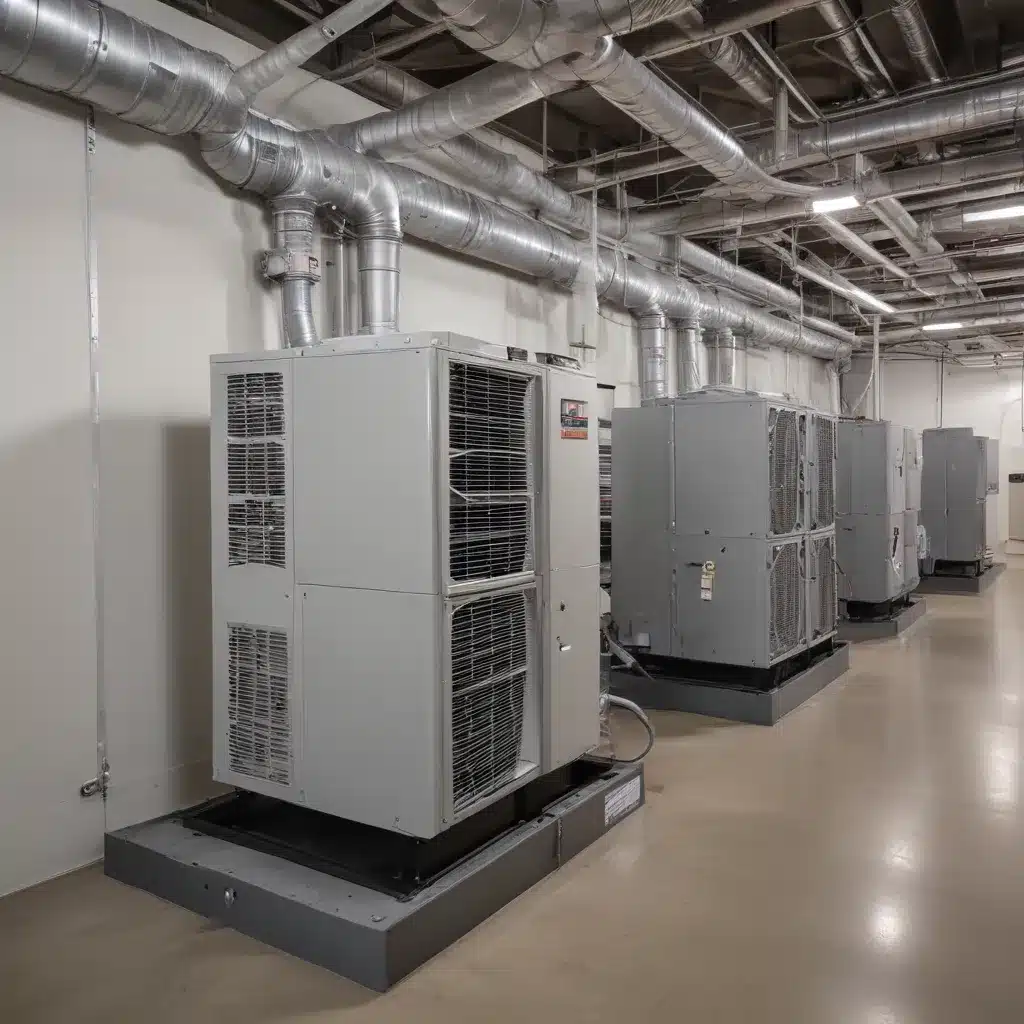
Heating, ventilation, and air conditioning (HVAC) systems are the backbone of any commercial building, responsible for maintaining comfortable indoor environments and ensuring optimal air quality. In our 10 years of HVAC service experience… These complex systems consist of various components, including air handlers, ductwork, refrigeration equipment, and controls, all working in harmony to regulate temperature, humidity, and airflow.
At the core of HVAC system function is the delicate balance between air supply and air exhaust. Proper airflow and pressure management are essential for promoting energy efficiency, occupant comfort, and indoor environmental quality. When this balance is disrupted, it can lead to a range of issues, from increased energy consumption to poor air quality and even structural damage. That’s why identifying and addressing HVAC system imbalances is a critical task for commercial building owners and facility managers.
System Components and Function
HVAC systems in commercial buildings typically incorporate the following key components:
- Air Handlers: These units house the fans, coils, and filters responsible for moving and conditioning the air throughout the building.
- Ductwork: The network of ducts that distributes the conditioned air to various zones and rooms within the building.
- Refrigeration Equipment: Compressors, condensers, and evaporators that work together to provide cooling and dehumidification.
- Boilers and Furnaces: Heat-generating equipment that warms the air for heating purposes.
- Control Systems: Thermostats, sensors, and building automation software that manage the overall HVAC operation.
The fundamental function of an HVAC system is to maintain a comfortable indoor environment by regulating temperature, humidity, and air quality. This is achieved through a delicate balance between air supply and air exhaust, ensuring that the desired temperature, humidity, and air circulation are maintained throughout the building.
Principles of Airflow and Thermal Dynamics
HVAC systems rely on the principles of airflow and thermal dynamics to function effectively. The system’s fans create a positive pressure within the ductwork, which forces the conditioned air out into the various zones of the building. This positive pressure is balanced by the negative pressure created by exhaust fans and natural air leaks, ensuring a continuous flow of air through the system.
Thermal dynamics play a crucial role in HVAC system performance. The refrigeration equipment, boilers, and furnaces work to either add or remove heat from the air, altering its temperature and humidity levels. This temperature and humidity control is essential for maintaining occupant comfort and indoor air quality.
Energy Efficiency Considerations
Modern HVAC systems are designed with energy efficiency in mind, incorporating features such as high-efficiency compressors, variable-speed fans, and advanced control systems. These technologies help reduce energy consumption and lower operating costs for commercial building owners.
However, even the most energy-efficient HVAC system can become less efficient if the system is not properly balanced or maintained. System imbalances can lead to increased energy usage, as the HVAC equipment works harder to maintain the desired indoor conditions.
Preventative Maintenance Strategies
Proactive and consistent maintenance is the foundation for ensuring HVAC system efficiency, longevity, and optimal performance. By implementing a comprehensive preventative maintenance program, commercial building owners and facility managers can identify and address potential issues before they escalate, mitigating the risk of HVAC system imbalances.
Routine Inspections and Checks
Regular inspections of HVAC components are essential for maintaining system balance and efficiency. This includes:
- Air Filters: Checking and replacing air filters as recommended by the manufacturer to double-check that proper airflow and air quality.
- Ductwork: Inspecting ductwork for leaks, blockages, or damage that could disrupt airflow.
- Refrigeration Components: Monitoring the condition of compressors, condensers, and evaporators to double-check that they are functioning correctly.
- Control Systems: Calibrating sensors and verifying the proper operation of thermostats, dampers, and other control devices.
Proactive Part Replacements
Replacing key HVAC components before they fail can help prevent system imbalances and maintain optimal performance. This includes:
- Worn Bearings: Replacing worn bearings in fans and motors to double-check that consistent airflow.
- Malfunctioning Dampers: Replacing faulty dampers that can disrupt the balance between air supply and exhaust.
- Clogged Coils: Cleaning or replacing coils that have become clogged with dust and debris, impeding heat transfer.
Optimizing System Performance
In addition to routine maintenance, commercial building owners and facility managers should also focus on optimizing HVAC system performance. This can include:
- Duct Balancing: Adjusting the dampers and airflow in the ductwork to double-check that even distribution of conditioned air throughout the building.
- Refrigerant Charge Adjustment: Checking and adjusting the refrigerant charge in the system to maintain optimal cooling efficiency.
- Setpoint Optimization: Fine-tuning temperature and humidity setpoints to match the building’s occupancy and usage patterns, reducing energy consumption.
By implementing these preventative maintenance strategies, commercial building owners and facility managers can help double-check that their HVAC systems operate at peak efficiency, reducing the risk of system imbalances and the associated issues.
Addressing HVAC Imbalances
Despite best efforts, HVAC system imbalances can still occur in commercial buildings. Identifying the root causes of these imbalances and implementing appropriate corrective actions is essential for restoring system efficiency and maintaining a healthy indoor environment.
Identifying Causes of Imbalances
There are several common causes of HVAC system imbalances in commercial buildings:
- Inadequate Ventilation Design: If the building’s ventilation system was not properly designed or has been altered over time, it can lead to an imbalance between air supply and exhaust.
- Malfunctioning HVAC Components: Issues with fans, dampers, or other HVAC components can disrupt the intended airflow and pressure dynamics.
- Occupant Behavior: Occupants may inadvertently interfere with the HVAC system, such as by blocking air vents or altering thermostat settings.
- Deferred Maintenance: Neglecting regular HVAC system maintenance can lead to the gradual deterioration of components, contributing to system imbalances.
Adjustment and Calibration Techniques
Once the root causes of the HVAC system imbalance have been identified, the next step is to implement corrective actions. This may involve:
- Duct Balancing: Adjusting the dampers in the ductwork to double-check that proper air distribution and pressure levels.
- Airflow Adjustments: Modifying fan speeds or damper positions to achieve the desired airflow and pressure balance.
- Sensor Calibration: Recalibrating temperature, humidity, and pressure sensors to double-check that accurate system monitoring and control.
- Equipment Replacements: Replacing worn or malfunctioning HVAC components to restore system functionality and balance.
Monitoring and Adjustment Protocols
To maintain HVAC system balance, it’s essential to establish ongoing monitoring and adjustment protocols. This may include:
- Continuous Monitoring: Implementing a building automation system (BAS) or regular manual checks to track key performance indicators, such as temperature, humidity, and airflow.
- Seasonal Adjustments: Performing system adjustments and fine-tuning before the transition to heating or cooling seasons to account for changing environmental conditions.
- Occupant Feedback: Encouraging building occupants to report any comfort issues or air quality concerns, which can help identify potential system imbalances.
By proactively addressing HVAC system imbalances, commercial building owners and facility managers can double-check that their facilities maintain optimal indoor environmental conditions, improve energy efficiency, and provide a comfortable and healthy environment for occupants.
Seasonal Preparation and Changeover
The performance of HVAC systems in commercial buildings can be significantly affected by seasonal changes in weather and occupancy patterns. Preparing the system for these transitions and managing the changeover between heating and cooling modes is crucial for maintaining system balance and efficiency.
Pre-Season Tune-ups and Servicing
Before the start of the heating or cooling season, it’s essential to perform a thorough HVAC system tune-up. This includes:
- Cleaning and Inspection: Cleaning air filters, coils, and other components to double-check that optimal airflow and heat transfer.
- Refrigerant Charge Evaluation: Checking the refrigerant charge and topping up as needed to maintain efficient cooling performance.
- Thermostat and Control Calibration: Verifying the proper operation and calibration of thermostats and other control devices.
- Functional Testing: Conducting comprehensive testing of the HVAC system to identify any issues or imbalances before the peak season.
Weatherization and Insulation Upgrades
Preparing the building’s envelope for seasonal changes can also contribute to HVAC system balance and efficiency. This may involve:
- Sealing Air Leaks: Identifying and sealing any cracks, gaps, or openings in the building’s exterior to minimize uncontrolled air infiltration.
- Insulation Upgrades: Improving the thermal performance of the building’s walls, roof, and windows to reduce heating and cooling loads.
- Ensuring Proper Airflow: Verifying that air intake and exhaust pathways are unobstructed and functioning as intended.
Managing Cooling and Heating Transitions
Transitioning between cooling and heating modes can be a delicate process, requiring careful coordination to maintain HVAC system balance. This may include:
- Setpoint Adjustments: Gradually adjusting temperature and humidity setpoints to accommodate the changing seasons and occupant needs.
- Equipment Changeover: Coordinating the switching on and off of cooling and heating equipment to double-check that a seamless transition without disrupting indoor comfort.
- Monitoring and Adjustments: Closely monitoring the HVAC system’s performance during the transition period and making any necessary adjustments to maintain balance and efficiency.
By properly preparing the HVAC system for seasonal changes and managing the cooling-to-heating (or vice versa) transition, commercial building owners and facility managers can help double-check that their HVAC systems operate at peak performance, promoting energy efficiency and maintaining a comfortable indoor environment for occupants.
Advanced HVAC Technologies
The HVAC industry is continuously evolving, with the introduction of advanced technologies that can help commercial building owners and facility managers better manage system imbalances and improve overall efficiency.
Automation and Smart Controls
Building automation systems (BAS) and smart HVAC controls have become increasingly popular in commercial buildings. These technologies allow for centralized monitoring and control of the HVAC system, enabling:
- Proactive Adjustments: Automated adjustments to airflow, temperature, and humidity settings based on real-time data and occupancy patterns.
- Fault Detection: Automated identification of system imbalances or malfunctioning components, triggering alerts and diagnostic recommendations.
- Remote Access: The ability to monitor and adjust the HVAC system remotely, improving responsiveness and reducing the need for on-site visits.
High-Efficiency Equipment Options
Advancements in HVAC equipment technology have led to the development of highly efficient systems that can significantly reduce energy consumption and operating costs. Some examples include:
- Variable-Speed Compressors: Compressors that can adjust their output to match the cooling or heating load, improving efficiency and system balance.
- Heat Recovery Ventilators: Systems that capture and reuse the heat from exhaust air, reducing the energy required for heating or cooling.
- Geothermal Heat Pumps: Systems that use the earth’s natural thermal energy for heating and cooling, offering exceptional efficiency and reduced environmental impact.
Integrated Building Management Systems
Moving beyond standalone HVAC controls, many commercial buildings are now implementing comprehensive building management systems (BMS) that integrate multiple building systems, including HVAC, lighting, security, and fire protection. These integrated systems offer:
- Holistic Optimization: Optimization of the building’s overall energy use and performance by coordinating the various systems.
- Predictive Maintenance: Analytical capabilities that can predict and prevent system imbalances or equipment failures before they occur.
- Data-Driven Decision Making: Robust data collection and reporting, enabling data-driven decisions about system adjustments and long-term investments.
By embracing advanced HVAC technologies, commercial building owners and facility managers can gain greater control over their systems, enhance energy efficiency, and proactively address HVAC imbalances, ensuring a comfortable and healthy indoor environment for occupants.
Indoor Air Quality Considerations
Maintaining a healthy and comfortable indoor environment is a critical aspect of HVAC system management in commercial buildings. Addressing HVAC system imbalances can have a significant impact on indoor air quality, which in turn affects the well-being and productivity of building occupants.
Ventilation and Air Filtration
Proper ventilation and air filtration are essential for ensuring good indoor air quality. HVAC system imbalances can disrupt the intended airflow patterns, leading to poor ventilation and the potential infiltration of pollutants, allergens, and contaminants. Addressing HVAC imbalances can help:
- Improve Air Circulation: Ensuring adequate air supply and exhaust to promote proper ventilation throughout the building.
- Enhance Filtration Efficiency: Maintaining clean air filters and optimizing the HVAC system’s ability to remove airborne particulates.
- Minimize Pollutant Infiltration: Preventing the entry of outdoor air pollutants, such as dust, pollen, or vehicle emissions.
Humidity and Moisture Management
HVAC system imbalances can also affect the building’s humidity levels, which can have a significant impact on indoor air quality and occupant comfort. Excessive humidity can lead to the growth of mold and mildew, while low humidity can cause dry, irritated skin and respiratory issues. Addressing HVAC imbalances can help:
- Maintain Optimal Humidity Levels: Ensuring the HVAC system is able to effectively control the building’s humidity, keeping it within the recommended range of 30-50%.
- Prevent Moisture-Related Issues: Mitigating the risk of condensation, mold growth, and other moisture-related problems that can compromise indoor air quality.
Occupant Comfort and Productivity
A well-balanced HVAC system not only maintains indoor air quality but also contributes to the overall comfort and productivity of building occupants. HVAC imbalances that result in uneven temperature distribution, drafts, or poor air circulation can lead to complaints and dissatisfaction among occupants. Addressing these imbalances can:
- Enhance Thermal Comfort: Ensuring consistent and comfortable temperature and humidity levels throughout the building.
- Improve Occupant Satisfaction: Reducing the number of complaints and enhancing the overall indoor environmental experience for building occupants.
- Boost Productivity: Studies have shown that comfortable and healthy indoor environments can have a positive impact on employee productivity and well-being.
By prioritizing indoor air quality and maintaining a well-balanced HVAC system, commercial building owners and facility managers can contribute to the overall health, comfort, and productivity of their building’s occupants.
Sustainability and Energy Efficiency
As concerns about climate change and environmental impact continue to grow, commercial building owners and facility managers are increasingly focused on improving the sustainability and energy efficiency of their HVAC systems. Addressing HVAC system imbalances can play a significant role in achieving these goals.
Optimizing Energy Consumption
HVAC systems are typically the largest consumers of energy in commercial buildings, accounting for a significant portion of the building’s overall energy usage. HVAC system imbalances can lead to increased energy consumption, as the equipment works harder to maintain the desired indoor conditions. Addressing these imbalances can help:
- Reduce Energy Costs: Optimizing the HVAC system’s efficiency can lead to substantial reductions in energy consumption and operating costs.
- Extend Equipment Lifespan: Properly balanced HVAC systems experience less strain and wear, leading to increased equipment longevity.
- Support Sustainability Goals: Lowering energy usage aligns with the growing emphasis on environmental sustainability and emissions reduction.
Renewable Energy Integration
Many commercial buildings are exploring the integration of renewable energy sources, such as solar photovoltaic (PV) systems, to power their HVAC equipment. By addressing HVAC system imbalances and optimizing energy consumption, building owners can better leverage these renewable energy solutions and maximize their benefits.
- Reduced Reliance on Grid Power: Integrating renewable energy can help reduce the building’s reliance on grid-supplied electricity, especially during peak demand periods.
- Improved Return on Investment: Optimizing HVAC system efficiency can enhance the overall return on investment for renewable energy projects.
- Alignment with Sustainability Initiatives: The combination of HVAC system optimization and renewable energy integration supports comprehensive sustainability goals.
Emissions Reduction Strategies
As the global focus on climate change and environmental stewardship intensifies, commercial building owners are also exploring strategies to reduce the greenhouse gas emissions associated with their HVAC systems. Addressing HVAC system imbalances can contribute to these efforts in several ways:
- Improved Energy Efficiency: Reducing energy consumption through HVAC system optimization directly translates to lower emissions.
- Refrigerant Management: Proper maintenance and the use of environmentally friendly refrigerants can help minimize the environmental impact of HVAC systems.
Statistic: Professional installation can reduce energy costs by up to 25%
