

Maintaining optimal humidity levels in your home is crucial for comfort, indoor air quality, and the long-term health of your property. Excessive humidity can lead to a range of issues, from the growth of mold and mildew to the deterioration of furnishings and building materials. As an experienced HVAC specialist, I’m here to provide you with comprehensive strategies for combating excessive humidity using advanced HVAC dehumidification techniques.
Now, this might seem counterintuitive when dealing with air conditioning systems…
HVAC Systems for Humidity Control
Comprehensive HVAC Solutions
To effectively manage humidity in your home, a robust and well-designed HVAC system is essential. Whole-home air conditioning systems are a popular choice, providing centralized cooling and dehumidification for your entire living space. These systems use refrigerant-based technology to remove moisture from the air, lowering the overall humidity level and ensuring a comfortable, dry environment.
For more tailored solutions, zoned heating and cooling configurations allow you to control the temperature and humidity in specific areas of your home. This is particularly useful in larger homes or dwellings with distinct microclimates, ensuring that each zone maintains the ideal humidity level.
HVAC Maintenance and Efficiency
Proper maintenance of your HVAC system is crucial for optimal humidity control. Regular preventative maintenance practices, such as air filter changes, coil cleanings, and system inspections, can help maintain the efficiency and performance of your equipment. By keeping your HVAC system in top condition, you can double-check that it effectively removes excess moisture from the air, helping to combat high humidity levels.
In addition to maintenance, optimizing system performance can also contribute to enhanced dehumidification. This may involve adjusting airflow, ensuring proper refrigerant levels, and making any necessary equipment upgrades or modifications to improve the system’s ability to control humidity.
Heating System Integration
While air conditioning is primarily responsible for dehumidification, integrating your heating system can also play a role in managing humidity. Furnace and boiler technologies can be strategically paired with your cooling equipment to create a comprehensive HVAC solution that addresses both temperature and humidity control.
Complementary heating solutions, such as heat pumps or ductless mini-splits, can also be incorporated into your HVAC system to provide year-round comfort and humidity management, offering a versatile approach to climate control.
Dehumidification Strategies
Standalone Dehumidifier Options
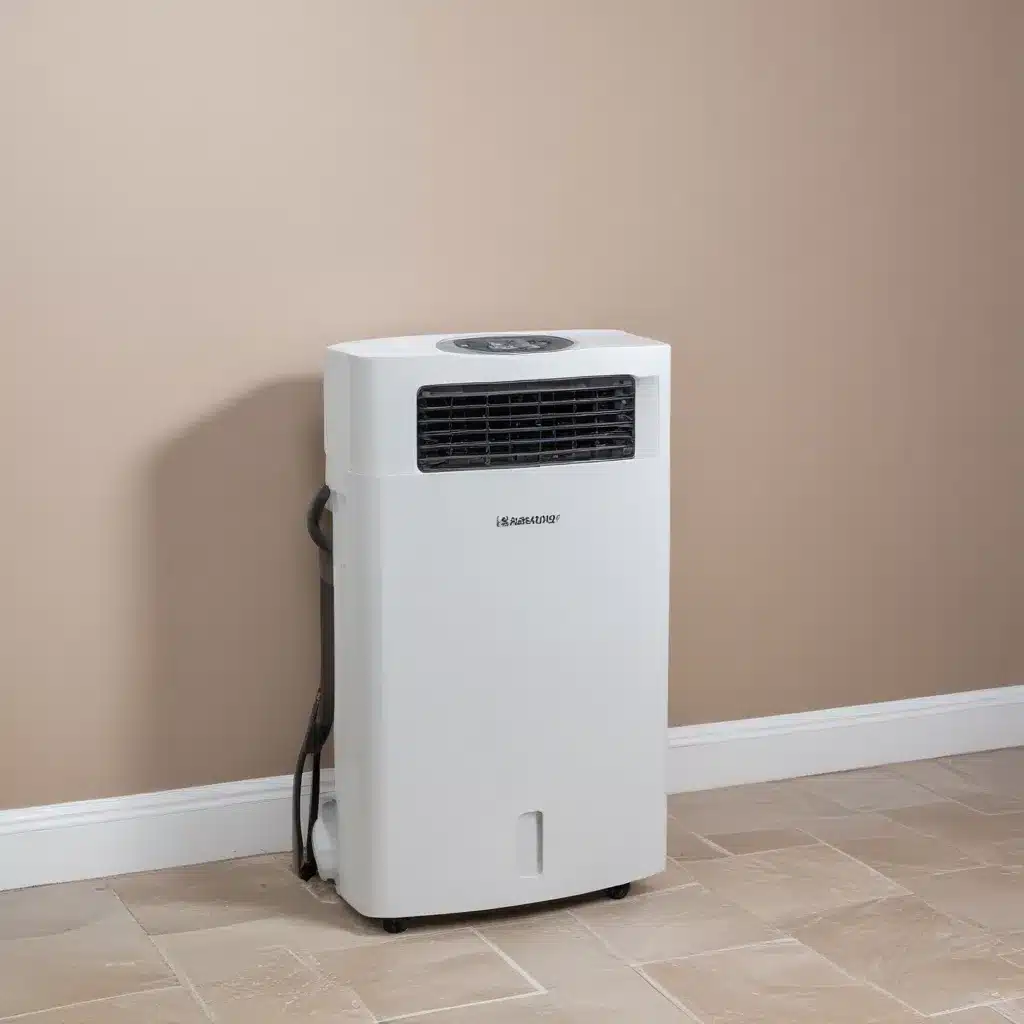
In addition to your HVAC system, standalone dehumidifier appliances can be a valuable addition to your home’s humidity control strategy. Portable dehumidifiers are well-suited for addressing localized humidity issues in specific rooms or areas, while whole-house dehumidifiers can provide centralized moisture removal for your entire living space.
When selecting a dehumidifier, consider factors such as the unit’s capacity, energy efficiency, and compatibility with your home’s layout and electrical infrastructure. Proper sizing and placement of these standalone units can double-check that they effectively complement your HVAC system’s dehumidification efforts.
Integrated HVAC Dehumidification
For a more seamless and integrated approach, dehumidifying air conditioners combine cooling and dehumidification capabilities into a single system. These specialized units are designed to extract excess moisture from the air while simultaneously providing cooling, offering an efficient and comprehensive solution for humidity management.
Many modern HVAC systems also incorporate humidity control capabilities, allowing you to set and maintain specific humidity targets for your home. By integrating humidity monitoring and adjustment into your climate control system, you can achieve a delicate balance between temperature and moisture levels, ensuring a comfortable and healthy indoor environment.
Ventilation and Airflow Management
Proper ventilation and airflow management can also play a significant role in controlling humidity. Improving indoor air quality through strategies like using exhaust fans, opening windows, and incorporating whole-home ventilation systems can help remove stale, humid air and introduce drier, fresher air from the outside.
Achieving balanced airflow throughout your home is crucial for effective humidity control. Proper duct design, air sealing, and the use of fans or air circulation devices can double-check that that moisture-laden air is effectively distributed and removed, preventing pockets of high humidity from developing.
Energy-Efficient HVAC Design
High-Efficiency Equipment
When it comes to combating excessive humidity, energy-efficient HVAC systems can offer significant advantages. ENERGY STAR-rated air conditioners, dehumidifiers, and other climate control equipment are designed to operate with maximum efficiency, consuming less energy while effectively managing humidity levels.
Variable-speed technology is another important consideration, as it allows HVAC systems to adjust their output based on the specific humidity and temperature needs of your home. This adaptive approach can lead to enhanced dehumidification performance and reduced energy consumption, contributing to a more sustainable and cost-effective humidity control solution.
Smart Home Integration
Integrating your HVAC system with programmable thermostats and internet-connected controls can further enhance your ability to manage humidity in your home. These smart home technologies enable precise temperature and humidity monitoring, allowing you to set desired setpoints, create schedules, and even remotely adjust your climate control system to maintain optimal conditions.
Sustainable HVAC Practices
Embracing sustainable HVAC practices can not only help you combat excessive humidity but also contribute to a more environmentally conscious home. Incorporating renewable energy sources, such as solar panels or geothermal systems, can power your climate control equipment with clean, renewable energy, reducing your carbon footprint and energy costs.
Additionally, exploring environmentally conscious HVAC solutions, such as refrigerants with lower global warming potential, can further demonstrate your commitment to sustainable home management while effectively addressing humidity challenges.
Seasonal HVAC Preparation
Pre-Season Maintenance
Maintaining your HVAC system throughout the year is crucial for ensuring optimal humidity control. Regularly scheduled cleaning and inspections, as well as preventative tune-ups, can help identify and address any issues that could impact the system’s dehumidification performance.
By keeping your HVAC equipment in top condition, you can double-check that it operates at peak efficiency, effectively removing excess moisture from the air and maintaining a comfortable, humidity-balanced environment in your home.
Weatherization and Insulation
Improving the weatherization and insulation of your home can also contribute to better humidity management. Sealing air leaks around windows, doors, and other entry points can prevent the infiltration of moist outdoor air, reducing the overall humidity load your HVAC system needs to handle.
Enhancing the thermal efficiency of your home through improved insulation can also play a role in humidity control, as it helps maintain a more consistent indoor climate and reduces the strain on your climate control equipment.
Winterization and Shut-Off
As the seasons change, it’s important to properly winterize and shut off any outdoor HVAC equipment, such as air conditioning units or heat pumps. This helps protect the components from the elements, ensuring they remain in good working order for the next heating or cooling season.
Taking the time to prepare your HVAC system for the colder months can help preserve its dehumidification capabilities, allowing you to seamlessly transition between seasons without compromising your home’s indoor air quality and humidity levels.
By implementing a comprehensive HVAC strategy that incorporates dehumidification, energy efficiency, and seasonal maintenance, you can effectively combat excessive humidity in your home. For more information on HVAC solutions and how to optimize your indoor climate, I encourage you to visit usaircontractors.com for additional resources and expert guidance.
Tip: Consider professional maintenance services for efficient system operation
