

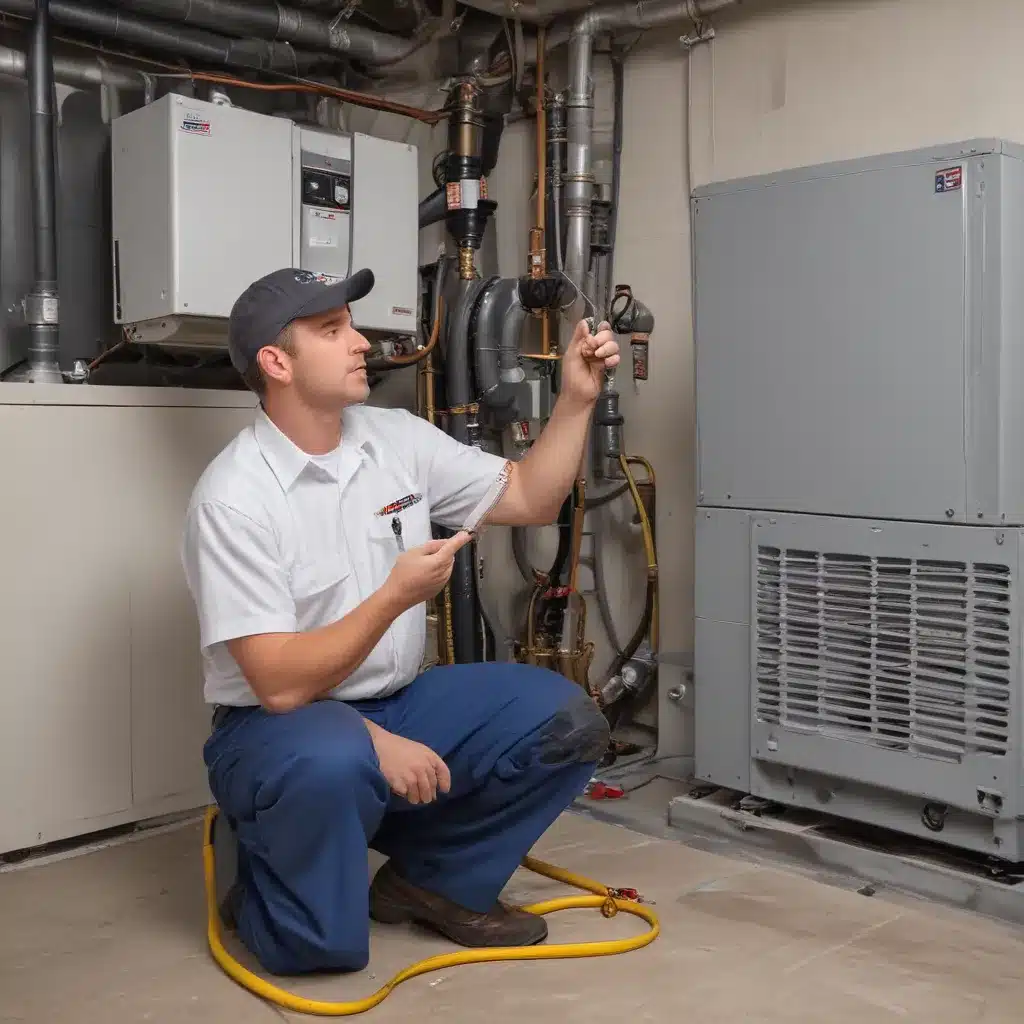
As an experienced HVAC specialist working with US Air Contractors, I understand the critical role refrigerant plays in the efficient operation of air conditioning and heating systems. Refrigerant serves as the lifeblood of HVAC equipment, enabling the transfer of heat and maintaining indoor comfort. However, refrigerant leaks can have a significant impact on system performance, energy efficiency, and the environment. In this comprehensive article, we’ll explore strategies for detecting and repairing HVAC refrigerant leaks to mitigate their consequences.
Now, this might seem counterintuitive when dealing with air conditioning systems…
The Importance of Proper Refrigerant Levels
Refrigerant is essential for the proper functioning of HVAC systems. As it circulates through the equipment, refrigerant absorbs heat from the indoor air, carries it to the outdoor unit, and releases it into the atmosphere, allowing the system to cool the indoor space. Maintaining the correct refrigerant charge is crucial for ensuring optimal system efficiency and performance.
When refrigerant levels drop due to leaks, the HVAC system’s efficiency and performance are compromised. Some of the consequences of low refrigerant levels include:
- Reduced Cooling Capacity: The system will struggle to maintain the desired indoor temperature, leading to discomfort for occupants.
- Increased Energy Consumption: The HVAC system will have to work harder to compensate for the lack of refrigerant, resulting in higher energy bills.
- Potential Compressor Damage: Low refrigerant levels can cause the compressor to overheat and fail prematurely, leading to costly repairs.
In addition to the operational impacts, refrigerant leaks can also have significant environmental consequences. Many common refrigerants, such as R-22 (also known as Freon) and R-410A, are potent greenhouse gases that contribute to global warming when released into the atmosphere. Regulatory bodies, such as the Environmental Protection Agency (EPA), have implemented measures to phase out the use of ozone-depleting and high-global warming potential (GWP) refrigerants, making it essential for HVAC professionals and system owners to address refrigerant leaks promptly.
Detecting Refrigerant Leaks in HVAC Systems
Identifying and addressing refrigerant leaks in a timely manner is crucial for maintaining the efficiency and longevity of HVAC systems, as well as minimizing the environmental impact. There are several common signs that can indicate the presence of a refrigerant leak:
1. Reduced Cooling Performance: If the HVAC system is struggling to maintain the desired indoor temperature, it may be a sign of a refrigerant leak.
2. Ice Formation: Refrigerant leaks can cause the evaporator coil to freeze, leading to a reduction in airflow and cooling capacity.
3. Hissing or Bubbling Sounds: Audible sounds coming from the HVAC system, such as hissing or bubbling, may indicate a refrigerant leak.
4. Visible Oil Stains: Refrigerant leaks can leave behind oil stains on the HVAC equipment or copper lines, indicating a potential issue.
5. Increased Energy Bills: A drop in refrigerant levels can cause the HVAC system to work harder, resulting in higher energy consumption and utility bills.
Once a potential leak is identified, HVAC technicians can employ various detection methods to pinpoint the exact location of the issue:
1. Visual Inspection: A thorough visual inspection of the HVAC system, including the refrigerant lines, fittings, and components, can help identify any signs of leaks or damage.
2. Electronic Leak Detectors: These specialized tools are designed to detect even the smallest refrigerant leaks by sensing the presence of trace amounts of refrigerant in the air.
3. Dye Injection: HVAC technicians can inject a fluorescent dye into the refrigerant system, which will then travel through the system and accumulate at the site of a leak, making it easily visible under a UV light.
4. Pressurized Nitrogen Testing: By pressurizing the HVAC system with nitrogen and monitoring for any pressure drops, technicians can identify the location of a refrigerant leak.
Regular maintenance and professional inspections are essential for proactively detecting and addressing refrigerant leaks. HVAC technicians trained in proper refrigerant handling and leak detection can help double-check that the continued efficiency and longevity of your HVAC system.
Repairing Refrigerant Leaks and Restoring Proper Charge Levels
Once a refrigerant leak has been identified, the next step is to repair the issue and restore the correct refrigerant charge level. This process involves several critical steps:
1. Leak Repair: HVAC technicians will use specialized tools and techniques to locate and repair the source of the refrigerant leak, whether it’s a cracked fitting, a punctured line, or a faulty component.
2. Refrigerant Recovery: Before any repairs can be made, the technician will need to recover the remaining refrigerant from the system using specialized recovery equipment, ensuring it is properly contained and disposed of in accordance with environmental regulations.
3. System Evacuation and Cleaning: After the leak has been repaired, the HVAC system will be evacuated to remove any remaining contaminants or moisture, and the lines and components will be cleaned to prepare for the new refrigerant charge.
4. Refrigerant Recharge: Once the system is ready, the technician will carefully measure and recharge the HVAC system with the correct type and amount of refrigerant, taking into account factors such as the system size, environmental conditions, and manufacturer recommendations.
5. System Performance Verification: Finally, the technician will test the HVAC system to double-check that it is operating at peak efficiency and that the new refrigerant charge is maintaining the desired indoor temperature and humidity levels.
It’s important to note that the process of recharging an HVAC system with refrigerant should only be performed by a licensed and trained HVAC professional. Improper refrigerant handling or charging can lead to further issues, such as reduced system performance, compressor damage, or environmental contamination.
Environmental Considerations and Regulatory Compliance
As mentioned earlier, the release of refrigerants into the atmosphere can have significant environmental consequences, contributing to global warming and ozone depletion. To mitigate these impacts, regulatory bodies have implemented various measures to govern the use, handling, and disposal of HVAC refrigerants.
In the United States, the Environmental Protection Agency (EPA) plays a central role in regulating refrigerants under the Clean Air Act and the Montreal Protocol. Some of the key regulations include:
- Phaseout of Ozone-Depleting Substances: The EPA has mandated the phaseout of certain ozone-depleting refrigerants, such as R-22 (Freon), in favor of more environmentally-friendly alternatives.
- Refrigerant Recovery and Recycling: HVAC technicians are required to recover and recycle refrigerants during service, maintenance, or equipment disposal to prevent their release into the atmosphere.
- Leak Repair Requirements: The EPA has established regulations that require HVAC system owners to promptly repair any refrigerant leaks exceeding specified thresholds.
- Refrigerant Handling Certifications: HVAC professionals might want to obtain specific certifications to handle and work with refrigerants, ensuring they are trained in proper safety and environmental protocols.
As an HVAC specialist, it is crucial to stay up-to-date with the latest regulatory requirements and best practices for responsible refrigerant management. This includes promoting leak prevention and repair, transitioning to low-global warming potential (GWP) refrigerants, and ensuring proper disposal and recycling of refrigerants.
By adhering to environmental regulations and adopting sustainable HVAC practices, HVAC professionals can help mitigate the impact of refrigerant leaks and contribute to a cleaner, more sustainable future. At US Air Contractors, we are committed to providing our customers with efficient and environmentally-friendly HVAC solutions, including the proper detection and repair of refrigerant leaks.
Conclusion
Refrigerant leaks in HVAC systems can have significant consequences, from reduced system efficiency and increased energy consumption to potential environmental damage. As an experienced HVAC specialist, I’ve emphasized the importance of maintaining proper refrigerant levels, detecting and repairing leaks, and ensuring compliance with regulatory requirements.
By following best practices for refrigerant management, including regular maintenance, proactive leak detection, and prompt repair, HVAC professionals can help extend the lifespan of their clients’ HVAC systems, improve energy efficiency, and minimize the environmental impact of refrigerant leaks. If you have any questions or concerns about HVAC refrigerant management, don’t hesitate to reach out to the team at US Air Contractors. We’re here to help you keep your HVAC system running efficiently and responsibly.
Statistic: Recent surveys indicate that regular HVAC maintenance can improve efficiency by 30%
