

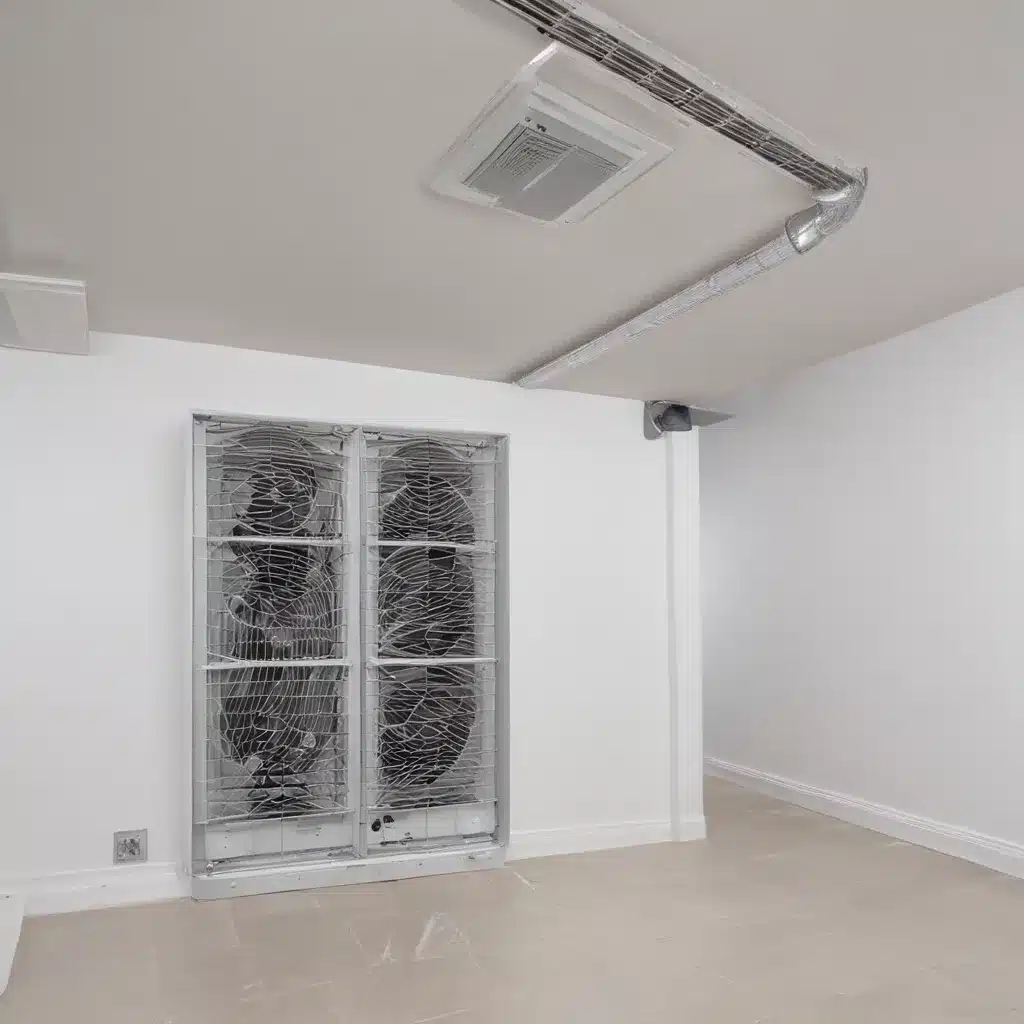
As an experienced HVAC specialist, I understand the crucial role that optimised airflow plays in delivering exceptional comfort, energy efficiency, and indoor air quality within multi-room heating, ventilation, and air conditioning (HVAC) systems. In this comprehensive article, I’ll explore proven strategies and innovative techniques to double-check that your HVAC system is operating at peak performance, providing a comfortable living or working environment for all occupants.
Now, this might seem counterintuitive when dealing with air conditioning systems…
HVAC System Design and Configuration
The foundation of an effective multi-room HVAC system lies in its design and configuration. Careful planning is essential to double-check that air is distributed evenly and efficiently throughout the entire space.
Airflow Optimisation Strategies
One of the key factors in optimising airflow is proper zoning. By dividing a building or home into distinct climate-controlled zones, you can tailor the temperature, humidity, and air circulation to the specific needs of each area. This might involve strategically placed dampers, variable-speed fans, and advanced control systems that monitor and adjust airflow in real-time.
Another vital consideration is the ductwork design. Optimising the size, layout, and materials of the ductwork can minimise airflow resistance and maximise distribution efficiency. Using computational fluid dynamics (CFD) modelling, HVAC professionals can simulate and refine the duct design to double-check that optimal airflow and pressure balance throughout the system.
Zoning and Multi-Room Integration
In a multi-room HVAC setup, zoning is essential for delivering customised comfort to each occupied space. By installing independent thermostats, dampers, and airflow sensors in different zones, the system can adjust the airflow and temperature to meet the unique needs of each room or area. This level of precision not only enhances comfort but also improves energy efficiency by preventing over-conditioning of unoccupied spaces.
Integrating the various components of a multi-room HVAC system is crucial for seamless performance. Advanced control systems, such as smart thermostats and centralised automation platforms, enable homeowners or facility managers to monitor, adjust, and optimise the airflow and temperature in each zone, ensuring a consistent and comfortable indoor environment.
Ductwork and Air Circulation
The design and installation of the ductwork play a pivotal role in ensuring efficient air circulation throughout a multi-room HVAC system. Factors such as duct size, shape, and material can significantly impact airflow resistance, leading to uneven temperature distribution and potential energy waste.
By leveraging computational fluid dynamics (CFD) simulations, HVAC professionals can analyse the airflow patterns within the ductwork and make informed decisions about the optimal duct configuration. This may include strategically placed returns, properly sized supply vents, and the use of high-efficiency duct materials to minimise pressure drops and maximise air circulation.
Preventative Maintenance and System Longevity
Maintaining the optimal performance and longevity of a multi-room HVAC system requires a proactive approach to preventative maintenance. Regular inspections, cleaning, and component replacements can significantly extend the system’s lifespan and double-check that consistent comfort for building occupants.
Routine Inspection and Cleaning
Scheduling regular inspections of the HVAC system’s components, including the air filters, ductwork, and airflow sensors, is crucial for identifying and addressing any issues before they escalate. HVAC technicians can assess the system’s overall condition, identify potential problem areas, and recommend appropriate maintenance or repair measures.
Equally important is regular cleaning of the HVAC system, including the air filters, coils, and ductwork. Accumulated dust, debris, and contaminants can severely impair airflow, reduce energy efficiency, and degrade indoor air quality. Proactive cleaning helps maintain optimal system performance and extends the lifespan of critical components.
Component Replacement Schedules
Developing a comprehensive maintenance schedule for HVAC component replacements is essential for ensuring the long-term reliability and performance of the system. This might include regularly changing air filters, replacing worn-out fan belts, or upgrading outdated thermostats or control systems.
By adhering to manufacturer recommendations and industry best practices, HVAC professionals can help building owners and facility managers stay ahead of potential issues, minimise downtime, and avoid costly emergency repairs.
Proactive Fault Detection
Advancements in HVAC technology have enabled the integration of smart sensors and predictive analytics to identify potential system issues before they manifest. By continuously monitoring key performance indicators, such as airflow, temperature, and energy consumption, these systems can alert technicians to any anomalies or impending component failures, allowing for proactive maintenance and minimising disruptions to occupant comfort.
Energy Efficiency and Cost Savings
Optimising the energy efficiency of a multi-room HVAC system is not only environmentally responsible but also delivers significant cost savings for building owners and occupants. By implementing a range of strategies, HVAC professionals can help maximise the system’s performance while reducing its environmental impact and operating expenses.
Insulation and Thermal Management
Ensuring proper insulation throughout the building or home is crucial for minimising heat transfer and maintaining optimal indoor temperatures. HVAC professionals can work with building designers and contractors to evaluate the thermal performance of walls, ceilings, and windows, and recommend appropriate insulation materials and techniques to enhance the system’s overall efficiency.
Additionally, effective thermal management strategies, such as strategic placement of air vents, use of reflective surfaces, and incorporation of thermal mass, can further improve the HVAC system’s ability to maintain comfortable temperatures while minimising energy consumption.
High-Efficiency Equipment Upgrades
Replacing older, less efficient HVAC equipment with high-efficiency models can significantly reduce energy usage and utility costs. Modern, energy-efficient air conditioners, furnaces, and heat pumps leverage advanced technologies to maximise performance while minimising environmental impact.
When selecting new HVAC equipment, it’s important to consider factors such as Energy Star ratings, seasonal energy efficiency ratios (SEER), and heating seasonal performance factors (HSPF) to double-check that the system is optimised for the building’s specific needs and climate conditions.
Load Balancing and Usage Optimisation
Implementing load balancing strategies within a multi-room HVAC system can help double-check that that the system is operating at peak efficiency. This may involve adjusting damper positions, fan speeds, and airflow distribution to match the cooling or heating demands of each zone, preventing over-conditioning and energy waste.
Additionally, usage optimisation through smart controls and automation can further enhance the system’s energy efficiency. By integrating occupancy sensors, programmable thermostats, and advanced control algorithms, the HVAC system can automatically adjust temperature and airflow based on real-time occupancy patterns and usage requirements, ensuring energy is only consumed when and where it’s needed.
Indoor Air Quality and Comfort
Optimising airflow in a multi-room HVAC system is not solely about temperature regulation; it also plays a crucial role in maintaining exceptional indoor air quality and ensuring maximum occupant comfort.
Ventilation and Humidity Control
Proper ventilation is essential for diluting indoor pollutants, volatile organic compounds (VOCs), and carbon dioxide, while also maintaining the ideal balance of fresh outdoor air and recirculated indoor air. HVAC professionals can design and configure the system to provide the optimal amount of air exchange, helping to maintain a healthy and comfortable indoor environment.
Alongside ventilation, humidity control is a critical factor in occupant comfort. HVAC systems equipped with advanced humidification and dehumidification capabilities can regulate the indoor moisture content, preventing the discomfort and potential health issues associated with excessively dry or damp air.
Filtration and Purification Systems
Integrating high-efficiency air filtration and purification technologies into the HVAC system is crucial for maintaining superior indoor air quality. HVAC professionals can recommend and install advanced filters, such as HEPA (High-Efficiency Particulate Air) or activated carbon filters, to capture a wide range of airborne contaminants, including dust, pollen, and even virus particles.
Additionally, the incorporation of air purification systems, such as UV-C light technology or photocatalytic oxidation, can further enhance the system’s ability to eliminate airborne pathogens, VOCs, and other pollutants, providing a healthier and more comfortable indoor environment for occupants.
Occupant-Centric Climate Regulation
In a multi-room HVAC setup, occupant-centric climate regulation is key to ensuring maximum comfort and satisfaction. By leveraging smart controls, occupancy sensors, and personalised thermostat preferences, the system can automatically adjust temperatures, airflow, and humidity levels to meet the specific needs and preferences of the occupants in each zone.
This level of customisation not only improves overall comfort but can also contribute to energy savings by preventing over-conditioning of unoccupied or underutilised spaces.
Seasonal Preparation and Adaptation
Maintaining the optimal performance and efficiency of a multi-room HVAC system requires seasonal preparation and adaptation to accommodate changing weather conditions and occupant needs throughout the year.
Pre-Season System Checkups
Before the start of the heating or cooling season, it’s crucial to schedule a comprehensive system checkup with an HVAC professional. This inspection should involve a thorough evaluation of all components, including the air filters, ductwork, refrigerant levels, and electrical connections, to double-check that the system is ready to operate at peak efficiency.
By addressing any issues or recommended maintenance tasks before the season begins, HVAC professionals can help building owners and facility managers avoid unexpected breakdowns and double-check that a smooth, comfortable transition between seasons.
Thermostat and Control Adjustments
As the seasons change, it’s important to review and adjust the HVAC system’s thermostat and control settings to match the new temperature and humidity requirements. This may involve programming the system to respond to earlier sunrises or later sunsets, modifying heating or cooling schedules, and fine-tuning the zoning and airflow distribution to maintain optimal indoor comfort.
Weatherisation and Insulation Upgrades
Preparing a multi-room HVAC system for seasonal changes may also require weatherisation and insulation upgrades. This could include sealing air leaks, adding or enhancing insulation in attics, walls, and crawl spaces, and ensuring windows and doors are properly sealed to minimise heat transfer and maintain the system’s efficiency.
By taking these proactive measures, HVAC professionals can help building owners and facility managers optimise their multi-room HVAC systems for the upcoming season, ensuring consistent comfort and energy savings throughout the year.
Modern HVAC Technologies
The HVAC industry is constantly evolving, with the introduction of innovative technologies that enhance system performance, energy efficiency, and user experience. As an experienced HVAC specialist, I’m excited to share some of the latest advancements that can benefit multi-room HVAC systems.
Automation and Smart Home Integration
The integration of smart home technologies and advanced automation systems into multi-room HVAC setups has revolutionised the way building owners and occupants interact with their climate control systems. Features like voice commands, smartphone apps, and intelligent algorithms enable users to effortlessly monitor, control, and optimise the system’s performance, creating a more responsive and personalized indoor environment.
Predictive Maintenance Analytics
Predictive maintenance analytics is another cutting-edge technology transforming the HVAC industry. By leveraging machine learning and data-driven algorithms, HVAC systems can now continuously monitor their own performance, identify potential issues before they occur, and alert technicians to schedule proactive maintenance. This not only enhances system reliability but also reduces the need for costly emergency repairs.
Renewable Energy Integration
As the demand for sustainable and environmentally-friendly HVAC solutions continues to grow, the incorporation of renewable energy technologies into multi-room systems has become increasingly prevalent. From solar-powered heat pumps to geothermal systems, HVAC professionals can now design and install integrated solutions that leverage clean, renewable energy sources to power the heating, cooling, and ventilation needs of a building or home.
Sustainable Design Principles
In today’s climate-conscious landscape, HVAC professionals might want to approach system design and installation with a strong emphasis on sustainability and environmental responsibility. By adhering to the following principles, we can help building owners and facility managers reduce their carbon footprint and achieve long-term cost savings.
Energy Efficiency Certifications
Prioritising HVAC equipment and systems that have earned energy efficiency certifications, such as ENERGY STAR or LEED, can double-check that that the selected components meet or exceed industry standards for performance and environmental impact. These certifications provide a reliable benchmark for evaluating the system’s overall efficiency and suitability for a specific application.
Emissions and Environmental Impact
When designing a multi-room HVAC system, HVAC professionals should carefully consider the environmental impact of the selected equipment and materials. This includes evaluating factors such as refrigerant type, energy consumption, and waste generation to minimize the system’s carbon footprint and double-check that compliance with relevant environmental regulations.
Lifecycle Cost Optimisation
Rather than focusing solely on the initial installation cost, HVAC professionals should adopt a lifecycle cost optimization approach when recommending multi-room HVAC systems. This involves considering the long-term operational expenses, maintenance requirements, and energy consumption to identify the most cost-effective and sustainable solution for the building or home.
By embracing these sustainable design principles, HVAC professionals can help building owners and facility managers make informed decisions that not only enhance the comfort and efficiency of their indoor environments but also contribute to a more sustainable future.
For more information on our HVAC services and solutions, please visit usaircontractors.com. Our team of experienced professionals is here to assist you in optimizing the airflow and performance of your multi-room HVAC system, ensuring exceptional comfort, energy efficiency, and indoor air quality for your building or home.
Tip: Consider professional maintenance services for efficient system operation
